Considering my methodology the first questions are; what affects the decisions I make about my practice and what are the broader implications of what I am doing within the practice?
In answering, I realised that I adopt different experimental approaches to explore an idea, often emerging from that experience. The word “emerge” has been a consistent verb throughout my practice since about 1994 when I made a series of experimental boxes out of metal which were 3D translations of my drawings.
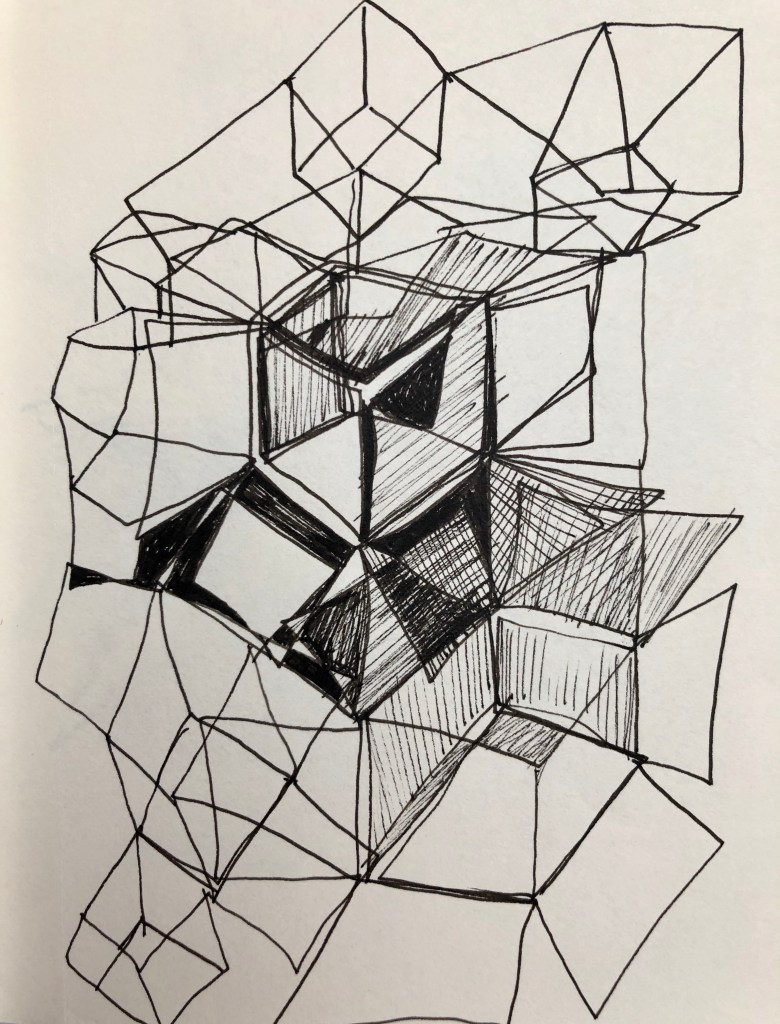
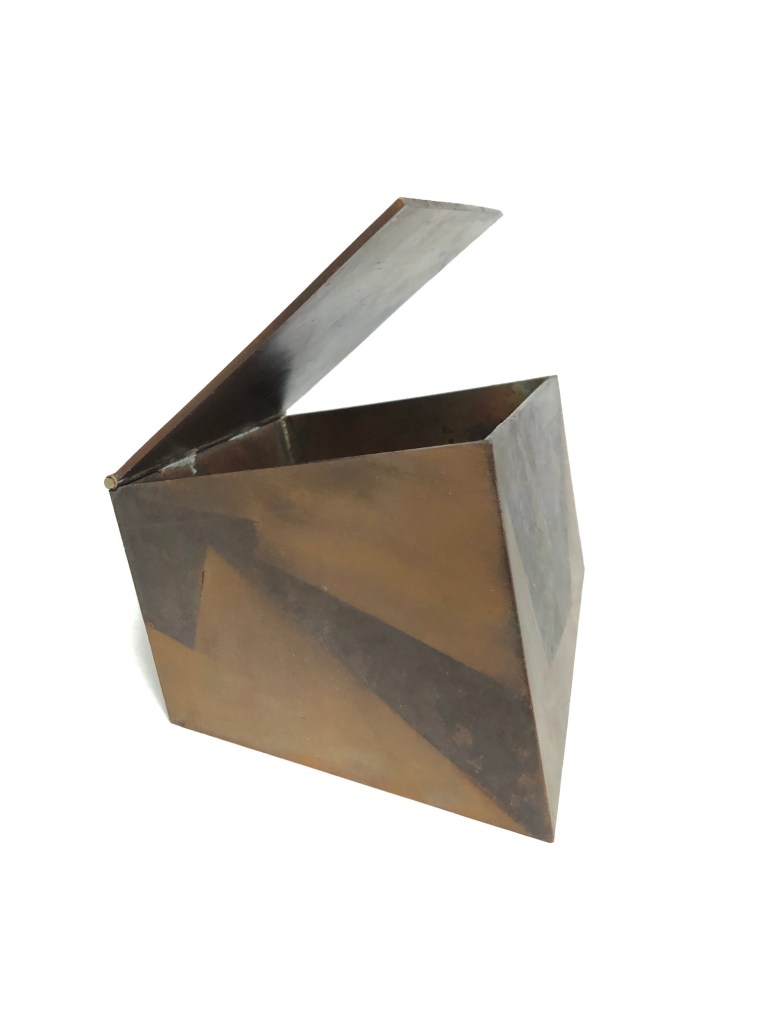
Fig 1 Emerge drawing and guilders metal box experimental work from 1994
Using this verb to underpin my practice means that I am always seeking to develop my artistic language, in revealing the unseen, the unsaid. My practice is driven by an intuitive process using memory and feeling to express the human lived experience. I adopt materials and media to suit the expression I am attempting.
Nomadism underlies other concerns such as Feminism and Humanism which I discover when reviewing or critically analysing my practice. Exploring these broader issues is an ongoing process through showing, discussion and peer review within the rigours of the Fine Art postgraduate programme.
In considering the making aspect of my practice, I decided to research further some artists who have been formative to how I work. Being exposed to foundational artists like Richard Serra, Eva Hess and Mark Rothko, was pivotal to my practice at an early and formative age. Their artwork was so different from the British art during the 1980’s that I cannot deny the truth of their work and influence in my timeline. Richard Serra’s Verb List (1967-8), (Fer, 2004, p. 157) is one of the essential parts to his practice that I have adopted to my own. I have used lists of words and marks in my work since childhood and somehow Serra’s list is so ingrained, I could say it has become a part of my making methodology.
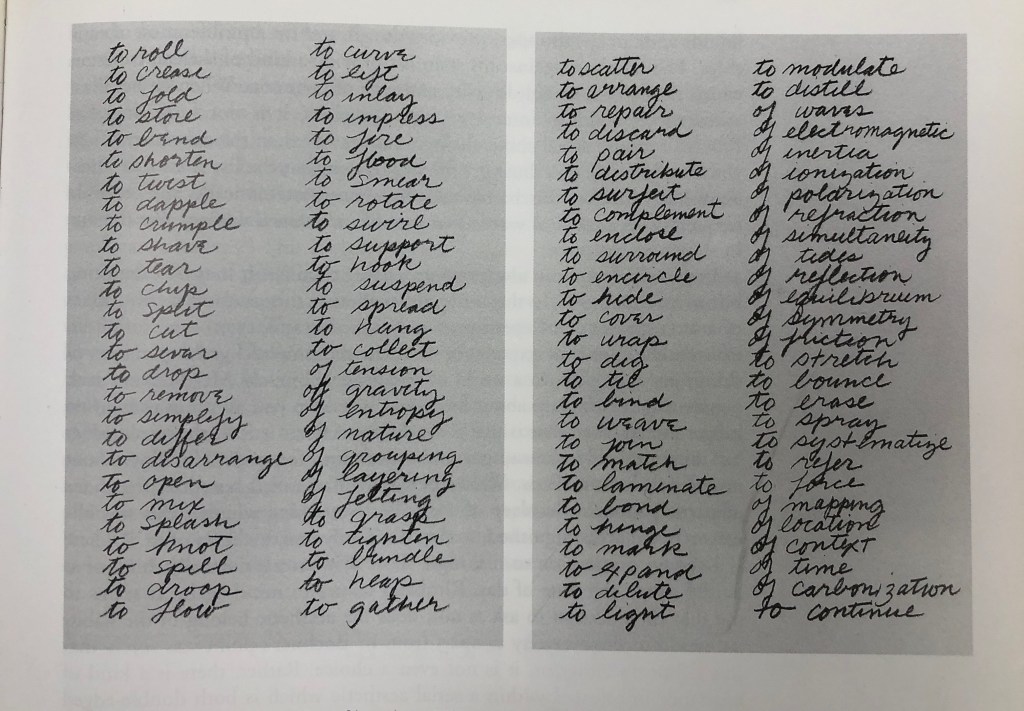
Fig 2 Verb List (Serra, 1967-8)
I have used lists of words and marks in my work since childhood and somehow Serra’s list is so ingrained, I could say it has become a part of my making methodology. I have included an example of my ongoing practice of mark/word lists below:
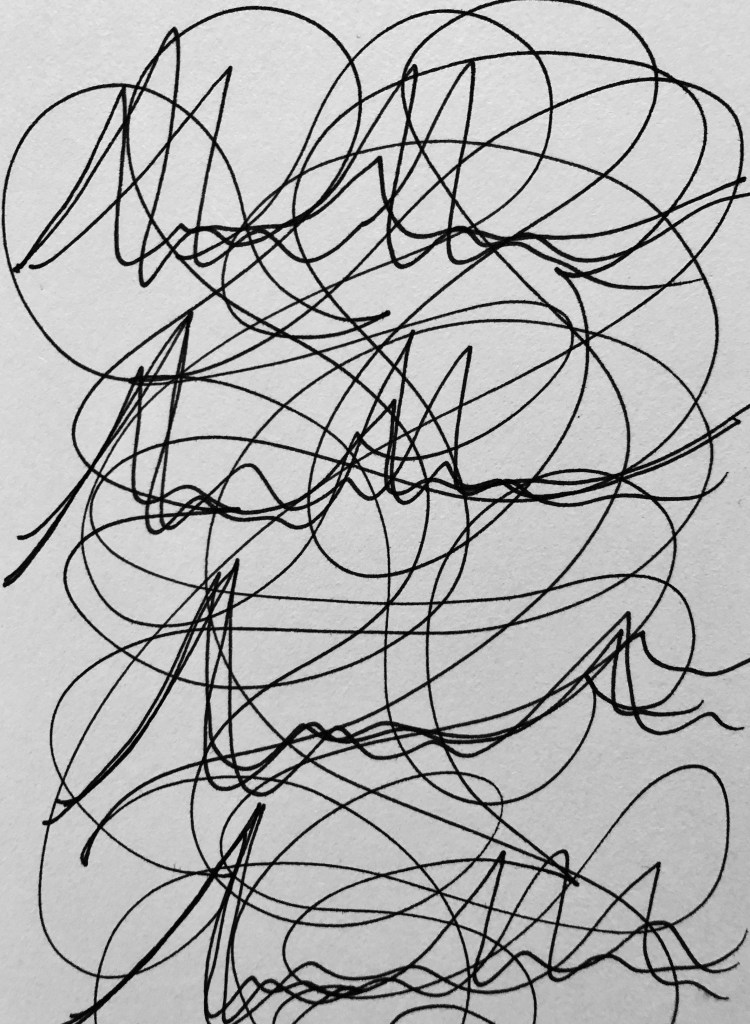
Fig 3 Word/Mark list from sketchbook 2019
Eva Hess’s work was and still is so influential in my germination of ideas that I can still remember the first artwork of hers I saw in its fragile state, fragile forms, crawling across and leaning against the wall of the gallery, possibly made from resin and rubber; I knew this was an artist with whom I had a commonality of language and thought. What I gained from Hesse’s work as a young artist, and still do today is a knowledge and understanding that the human condition was indeed fragile and, in my work, I adopted this sensibility and methodology though experimentation, drawing and making by reflecting the fragile nature of human existence. Hesse’s phrase ‘Thought seen touched.’2 (Fer, 2004, p. 117) describes how I feel when making work.
I have recently found Takako Saito, whose exhibition Dreams to Do I saw at CAPC, Bordeaux, who had been described as nomadic in her practice, stretching over 50 years and is still going strong. Her playful nature with materials is infectious. In my work there is a fluid and ambiguous relationship between making and meaning for me. In my current practice I use symbolism and metaphor, like Saito, mixed with found objects and crucially making objects and photographic pieces based on the grid and folding to describe human existence.
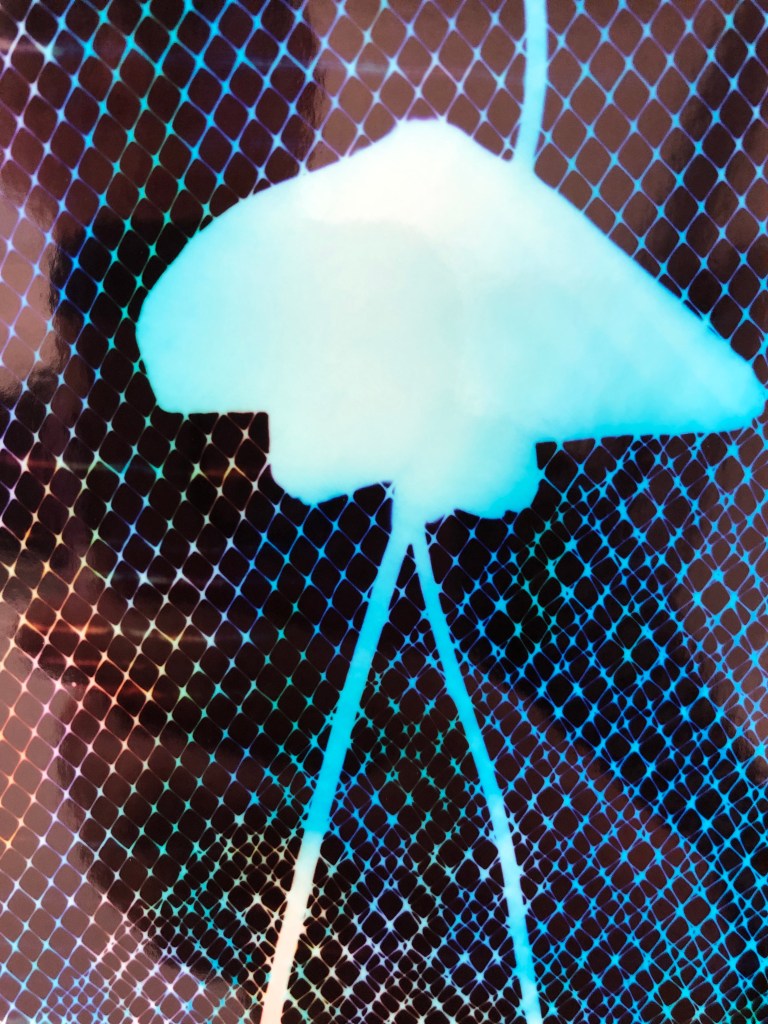
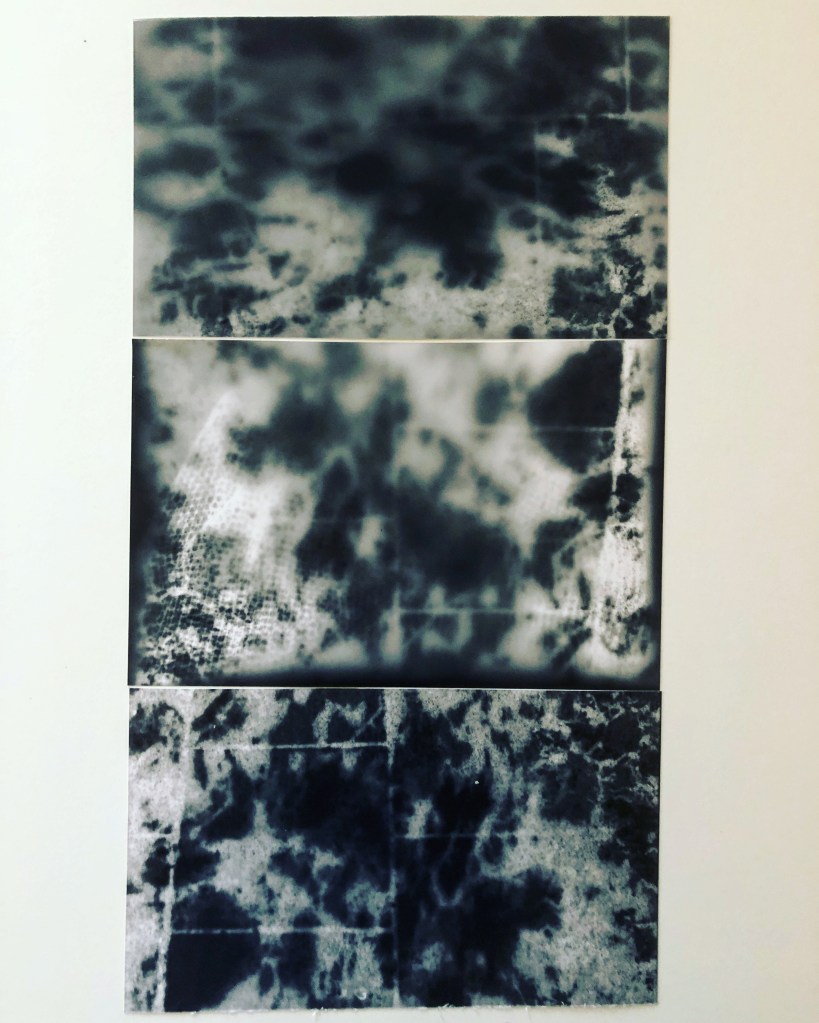
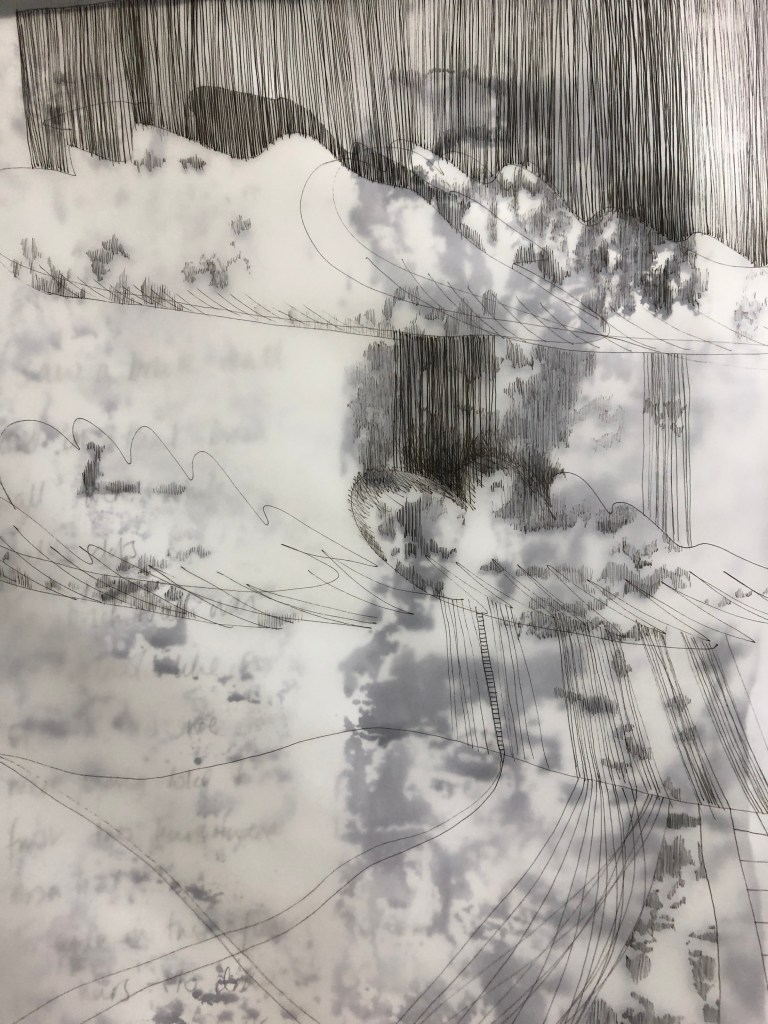
Fig 4 Details of recent work showing exploration in material and making
During a crit. recently with artists and tutor Paul Johnson, when I was asked what I was trying to say in my work, my response was ‘I don’t have a big profound thing to say apart from I think it’s about sharing human existence, you know about being in this world, making, I have to make, otherwise I kind of don’t feel right.’ Johnson’s reply to this was ‘Actually in itself its quite a huge thing. It’s something you have to do I wouldn’t belittle that because it’s as valid as having another type of meaningful relationship within the artworld’. (conversation during work in progress crit., with Paul Johnson and Tina Culverhouse, 26/11/2019).
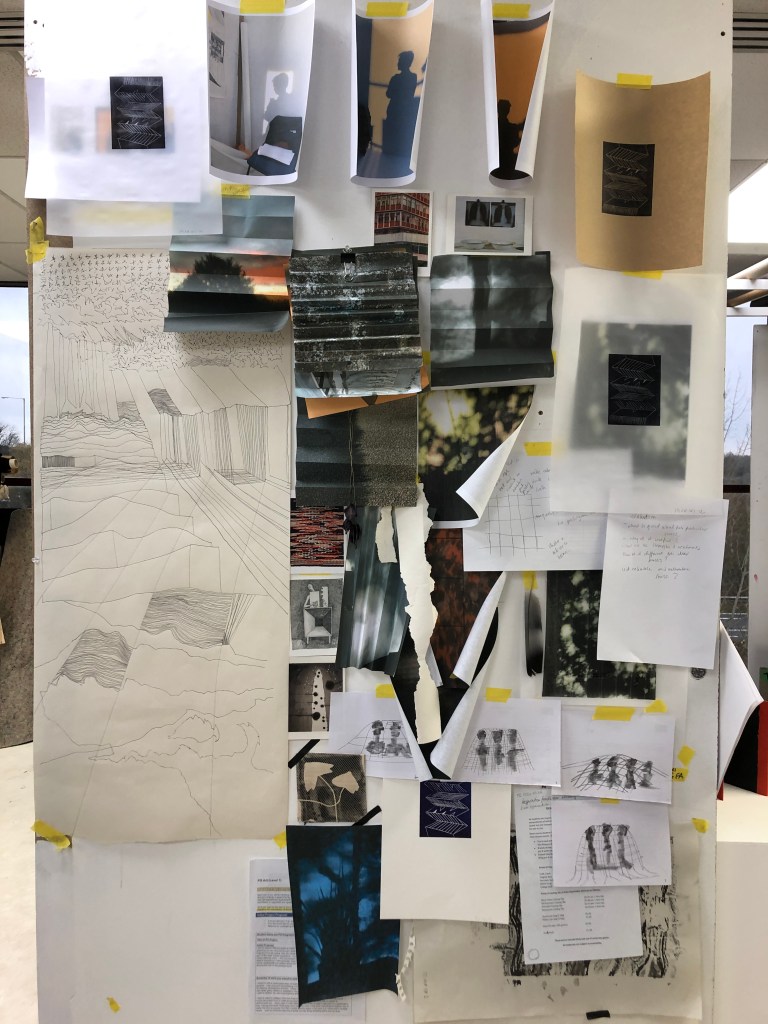
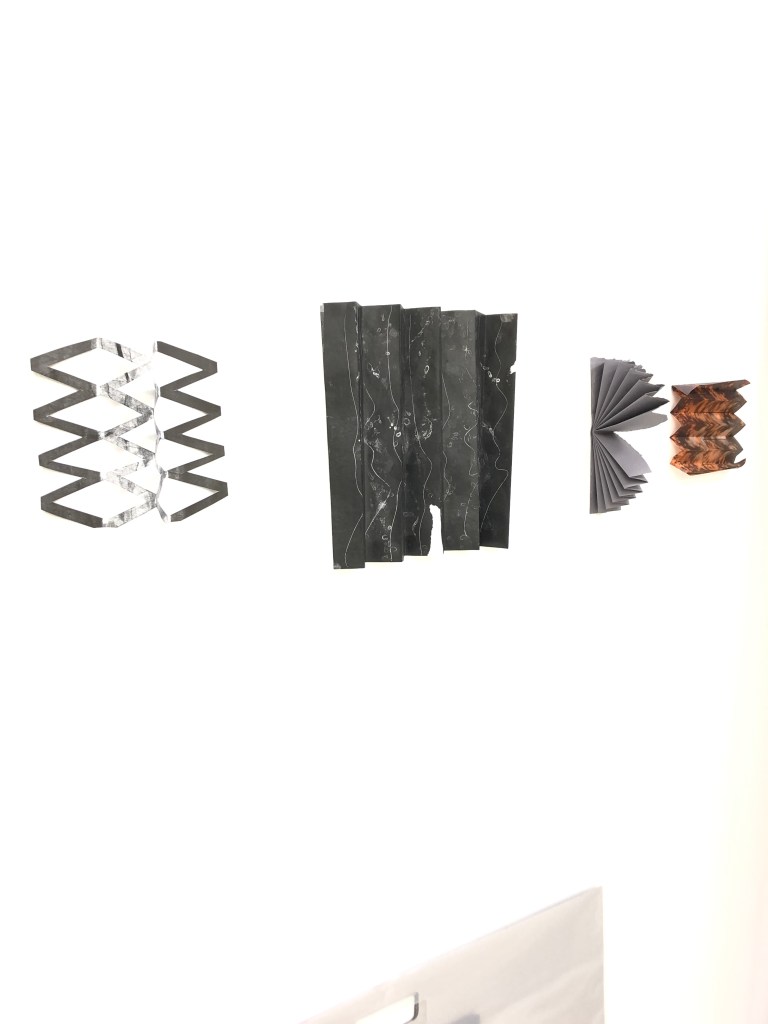
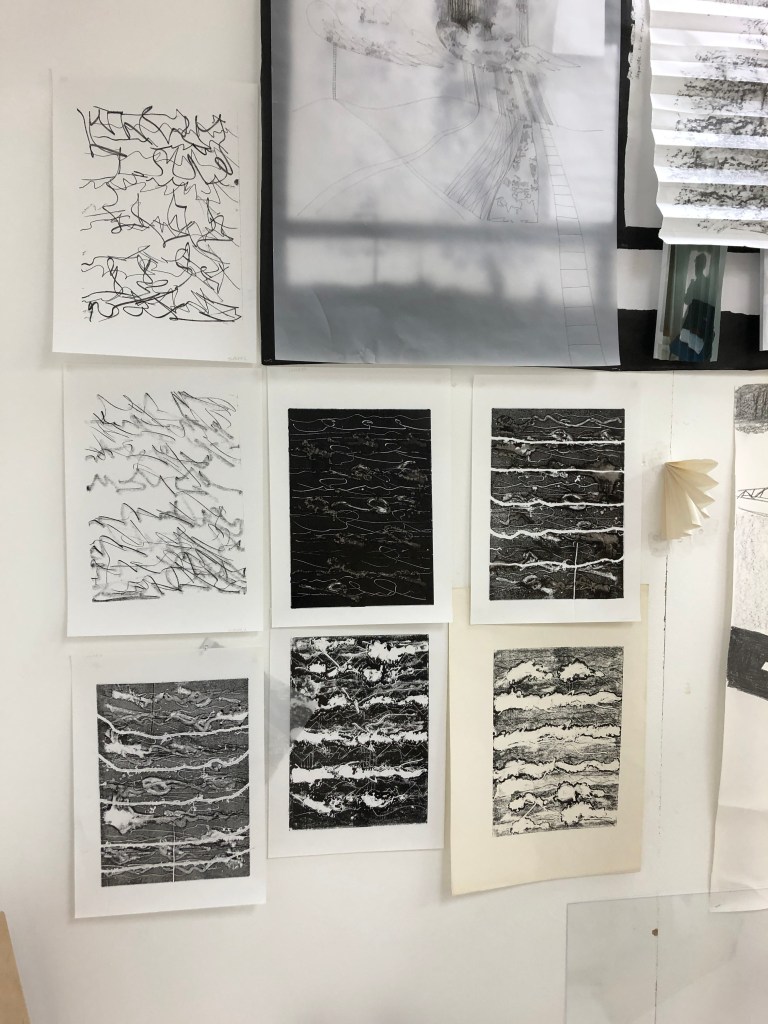
Fig 5 Installation view of postgraduate studio work during recent crit. mentioned in text
In reflecting this process of analysing my practice and methodology the words Maureen Paley recently wrote in an Instagram post about the poet Wallace Steven’s and his work, she said of him, ‘his poetic vision resides more with the sensation that seek to unlock the essence of his subject from a perspective of both observing and being at the same time.’2 (Paley, 2019) come to my mind. I would adopt this statement for my nomadic methodology ‘observing and being at the same time’ and the work I make across mediums, time and boundaries.
1 FER, B. (2004) The infinite line. New Haven: Yale University Press
2 PALEY, M. (2019) Post on Instagram [Available online]: https://www.instagram.com/p/B5geDo9g9oF/?igshid=7zzpcsxenebp Accessed 1/12/2019
Fig 1 Emerge drawing and guilders metal box experimental work (Culverhouse, T, 1994)
Fig 2 Verb List (Serra, R 1967-8) FER, B. (2004). The infinite line. New Haven: Yale University Press
Fig 3 Word/Mark list from sketchbook (Culverhouse, T, 2019)
Fig 4 Details of recent work showing exploration in material and making (Culverhouse, T 2019)
Fig 5 Installation view of postgraduate studio work during recent crit. mentioned in text (Culverhouse, T 2019)

