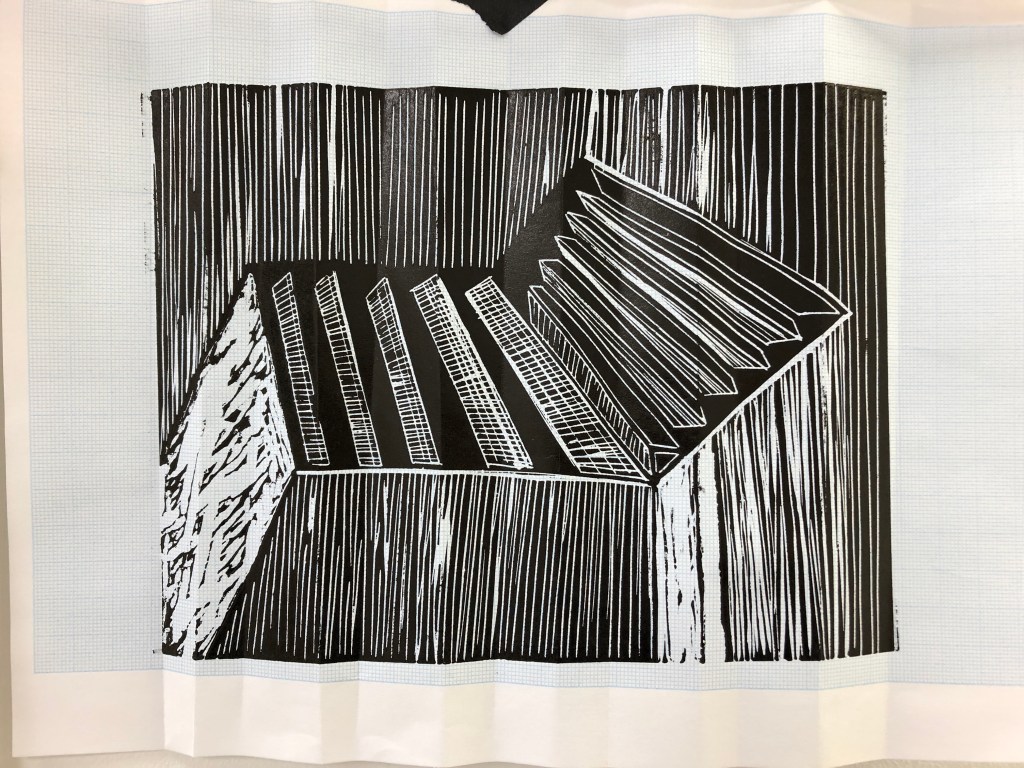
Since my last crit and during Semester B I worked in the print room making some Lino-cut prints I cut during December and January. I went on the drypoint induction and made two plates shown below. For the Lino cuts I wanted to experiment with papers and colour, so I used some grey paper, graph paper and red inks. I also mixed some red into the black ink to create a richer black.
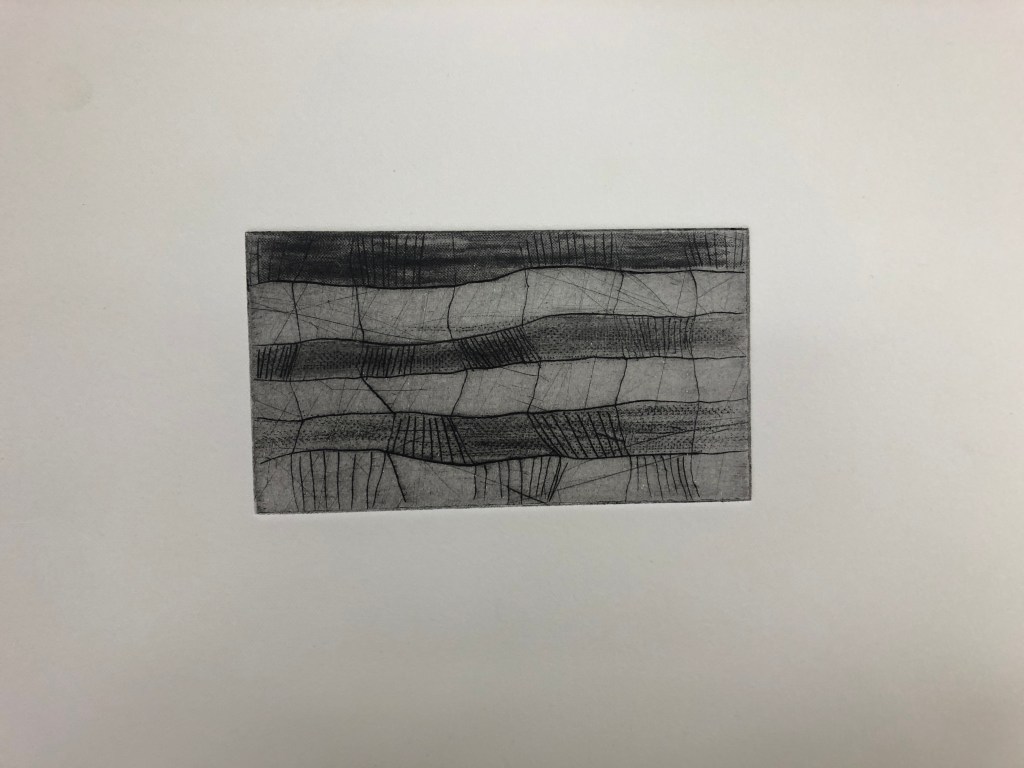
drypoint etching December 2019 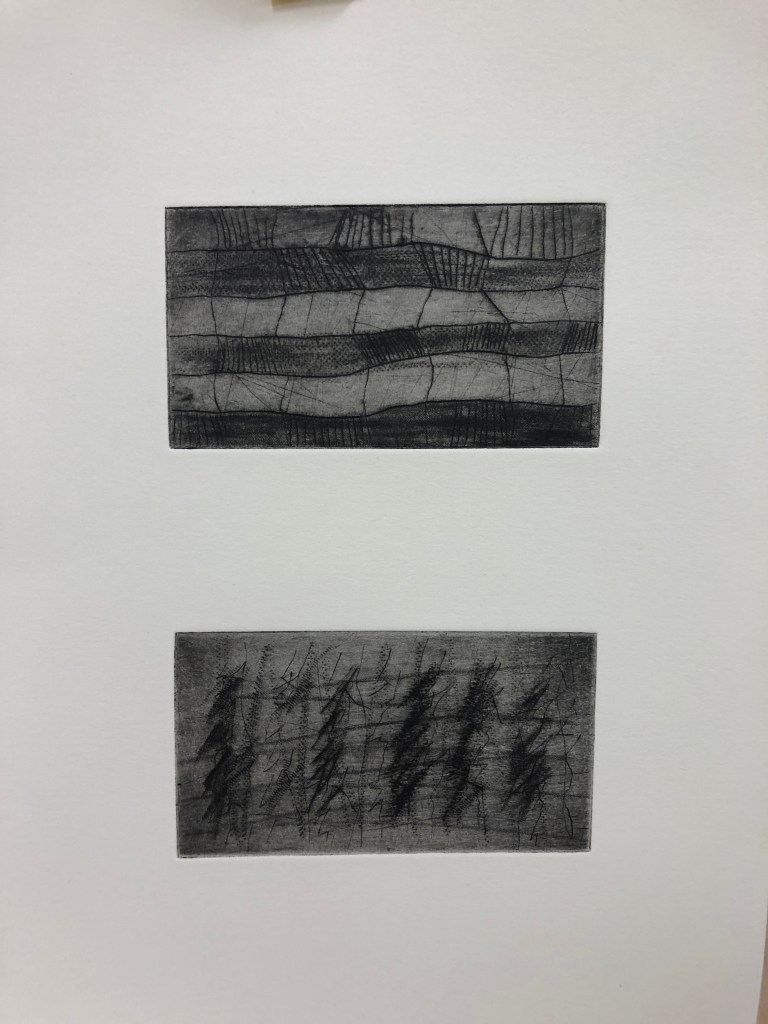
drypoint etchings December 2019 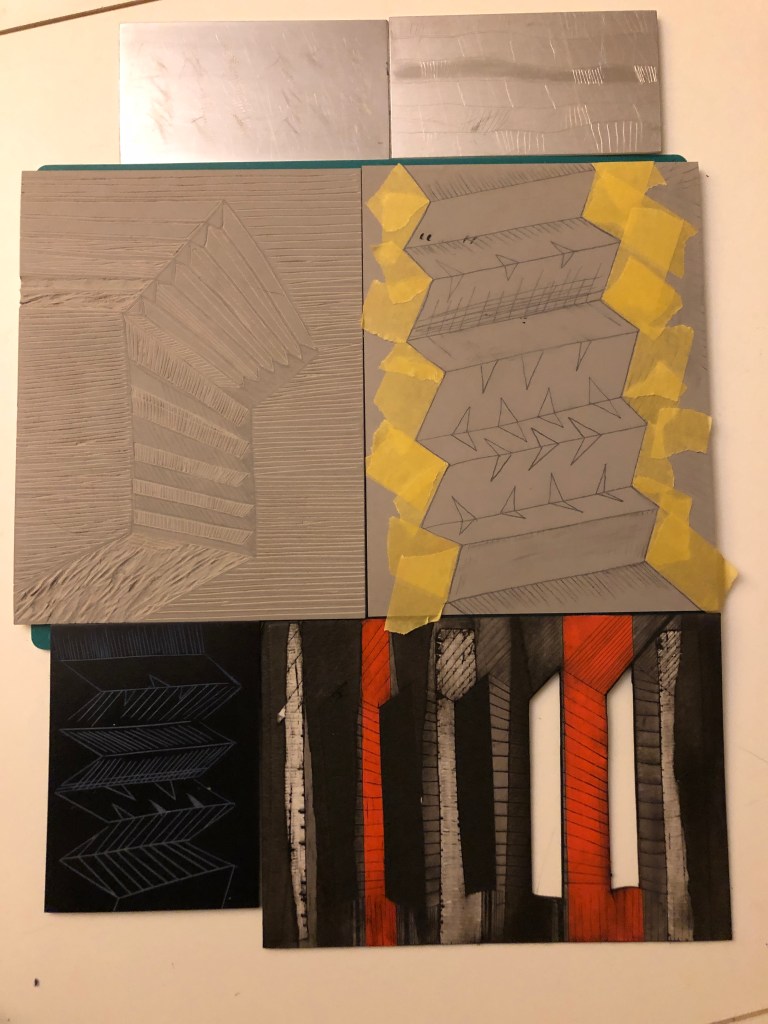
collection of printing plates worked on between December 2019 and February 2020 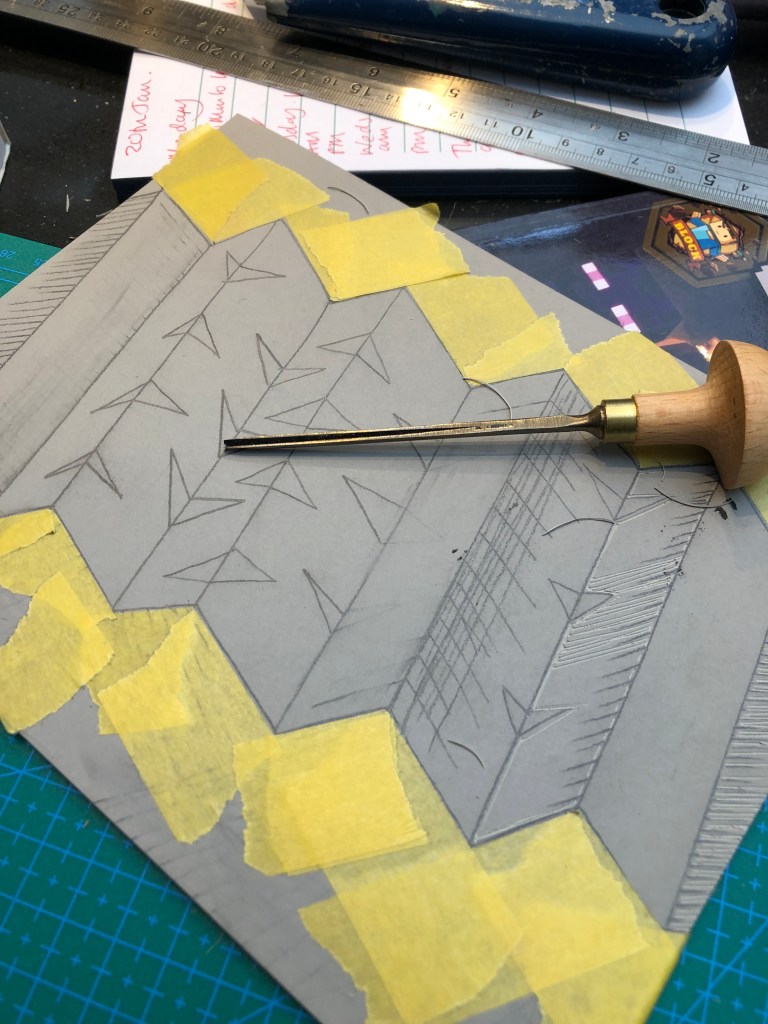
cutting the Lino plate January 2020 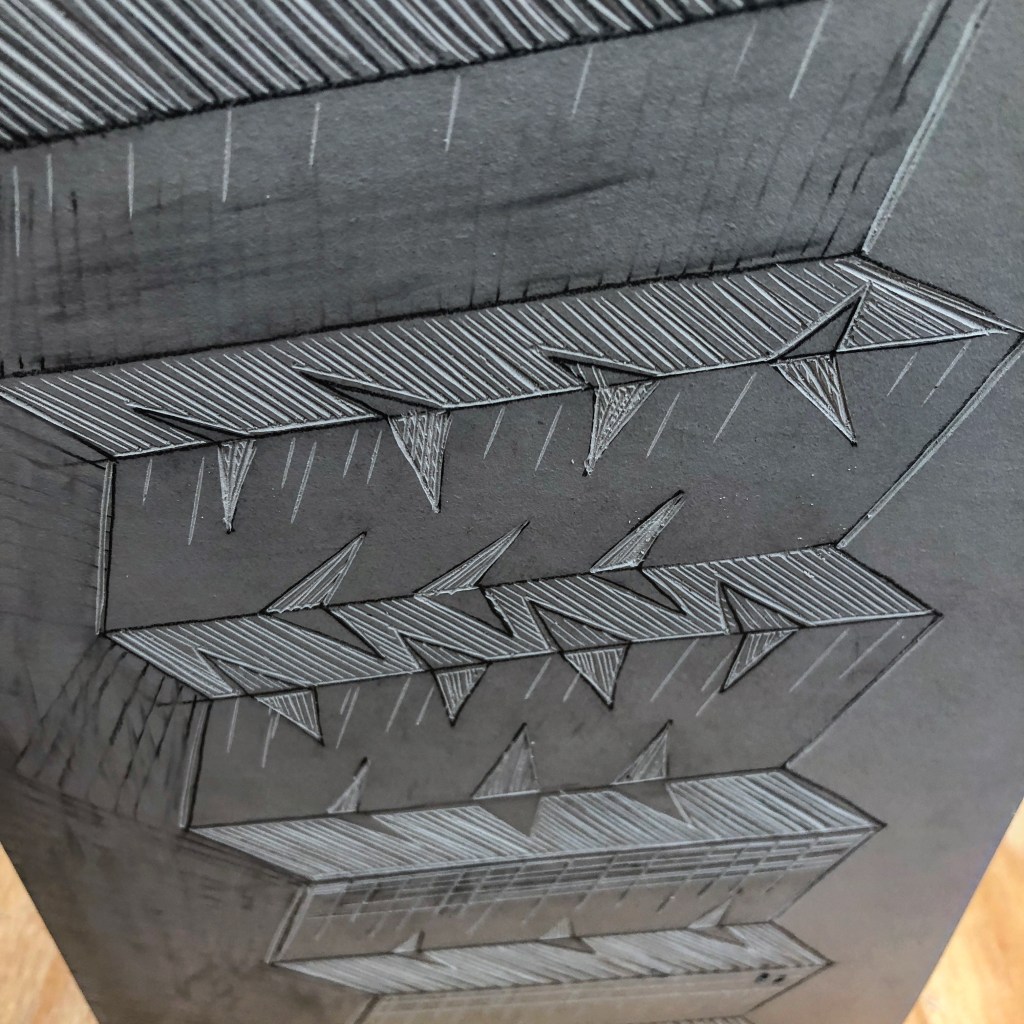
first proof of Falling January 2020 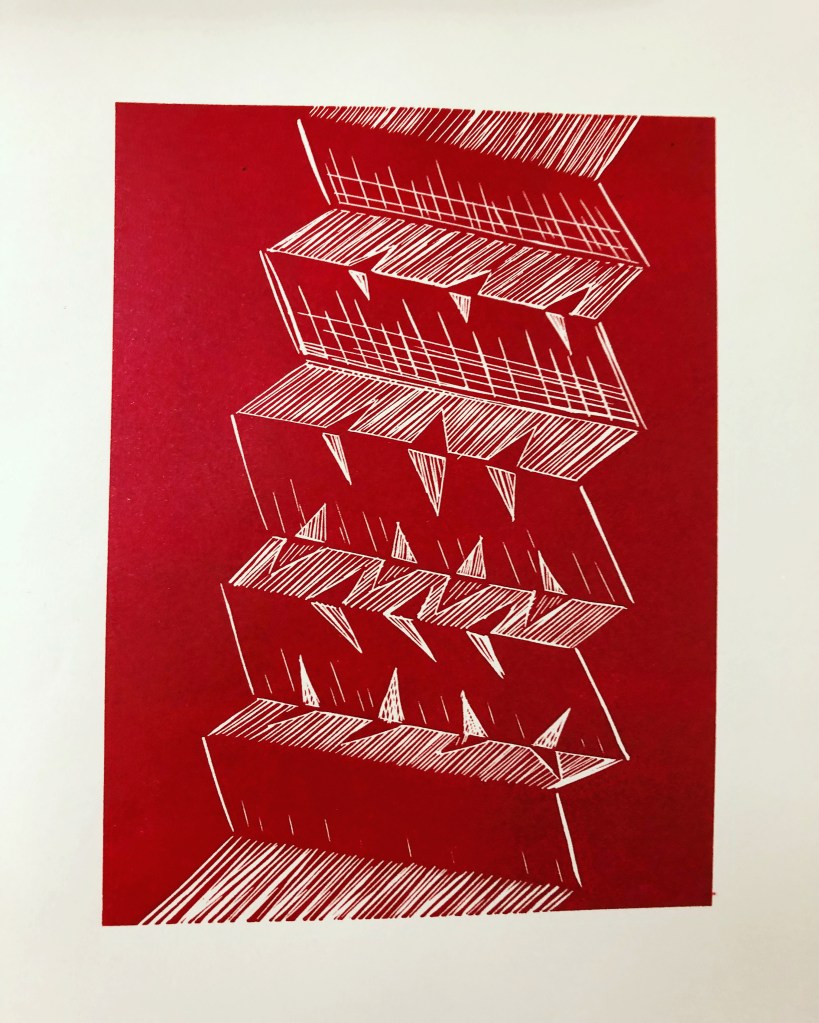
red version of Falling January 2020 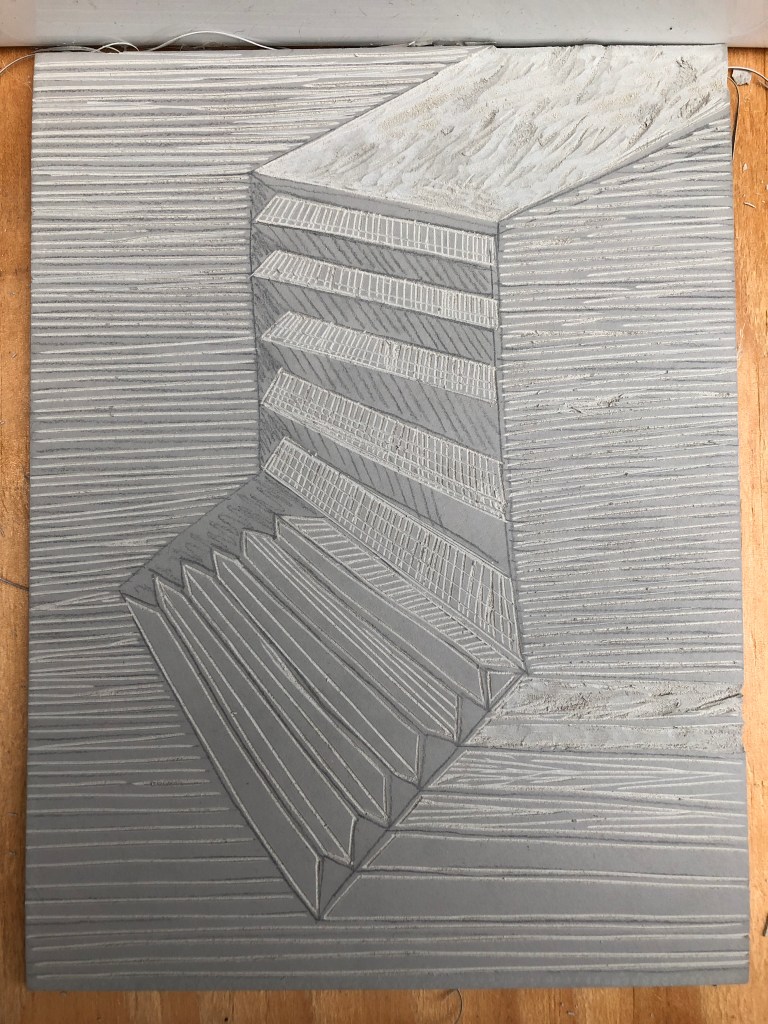
Lino cut of Trapped Vent January 2020 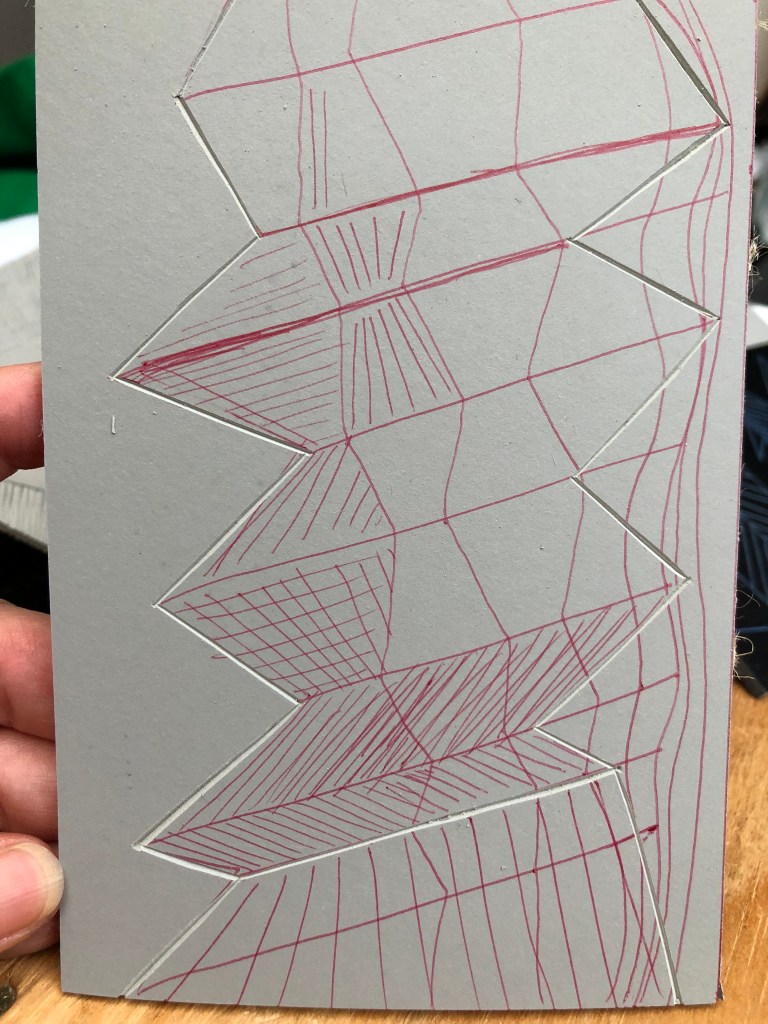
beginning to cut Net December 2020 not yet proofed due to close down of print room 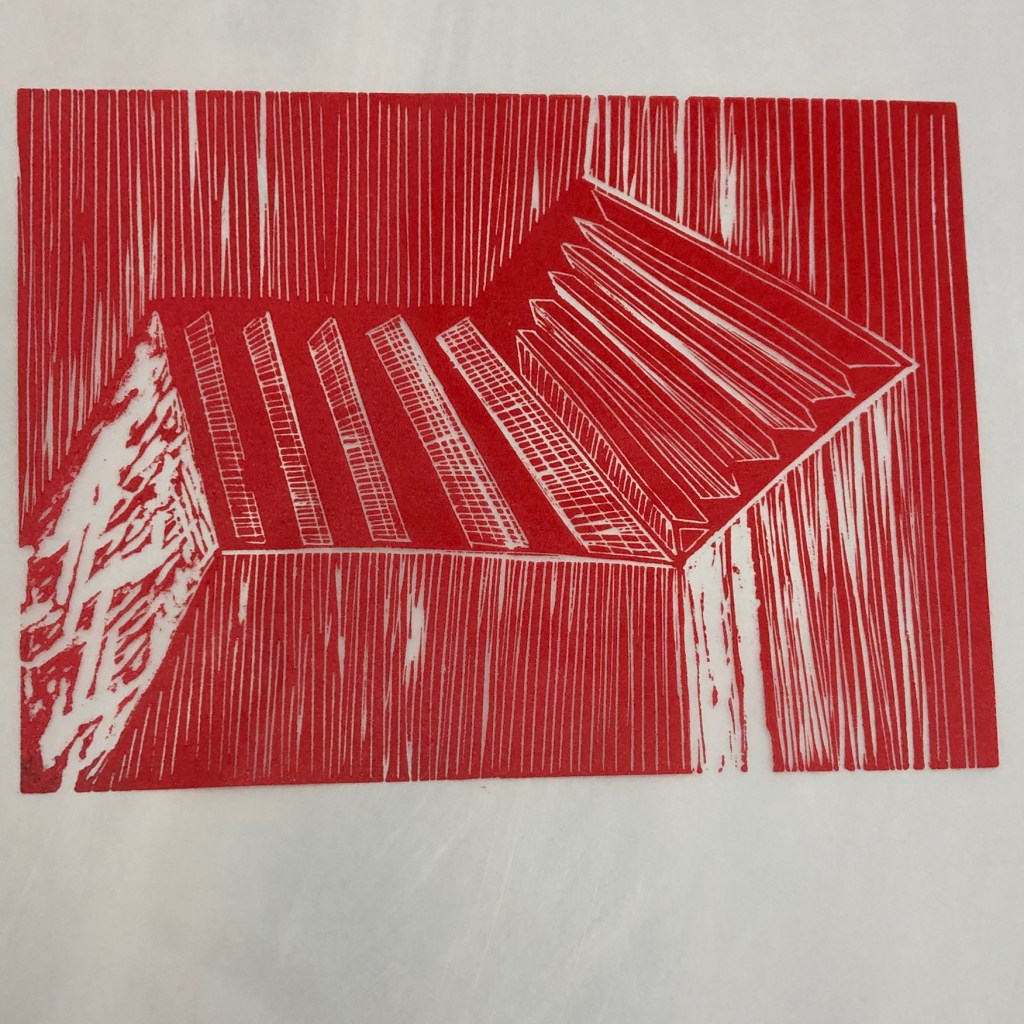
red proof version of Trapped Vent 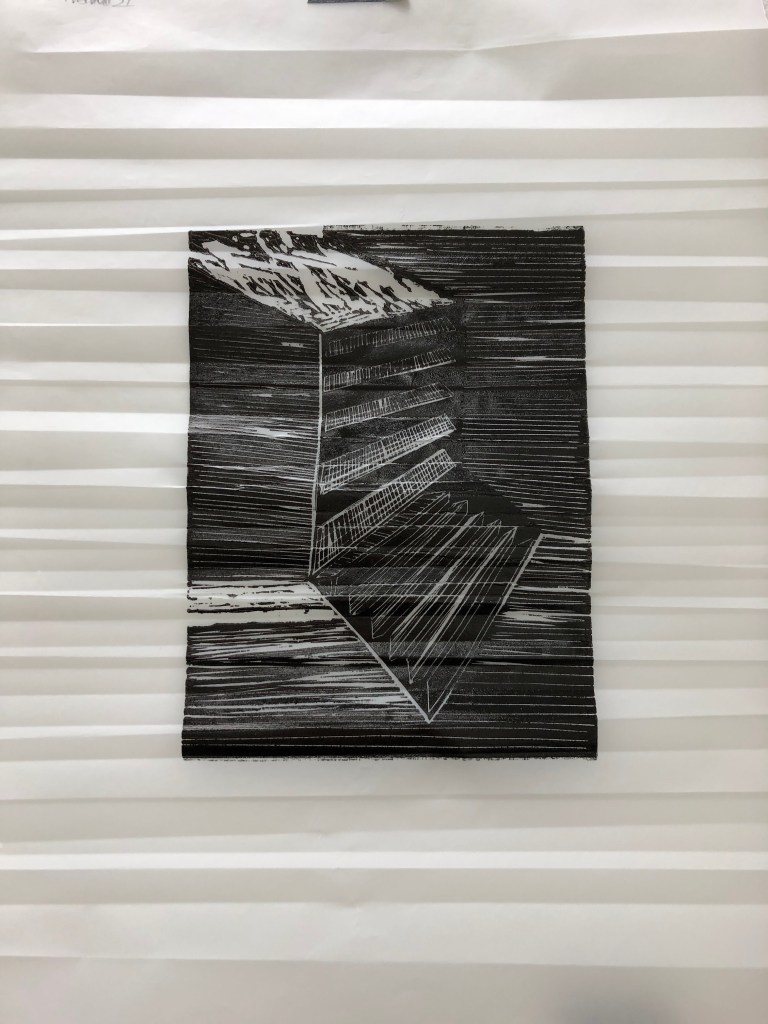
Trapped Vent on folded tracing paper 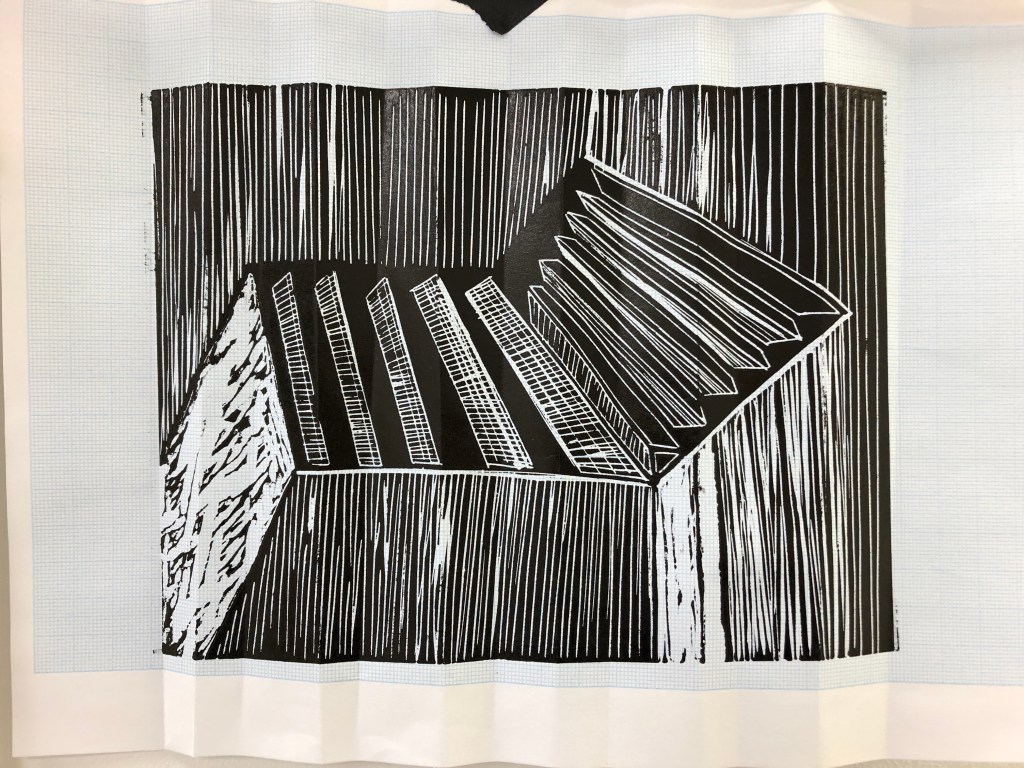
close up of Trapped Vent on folded paper different orientation 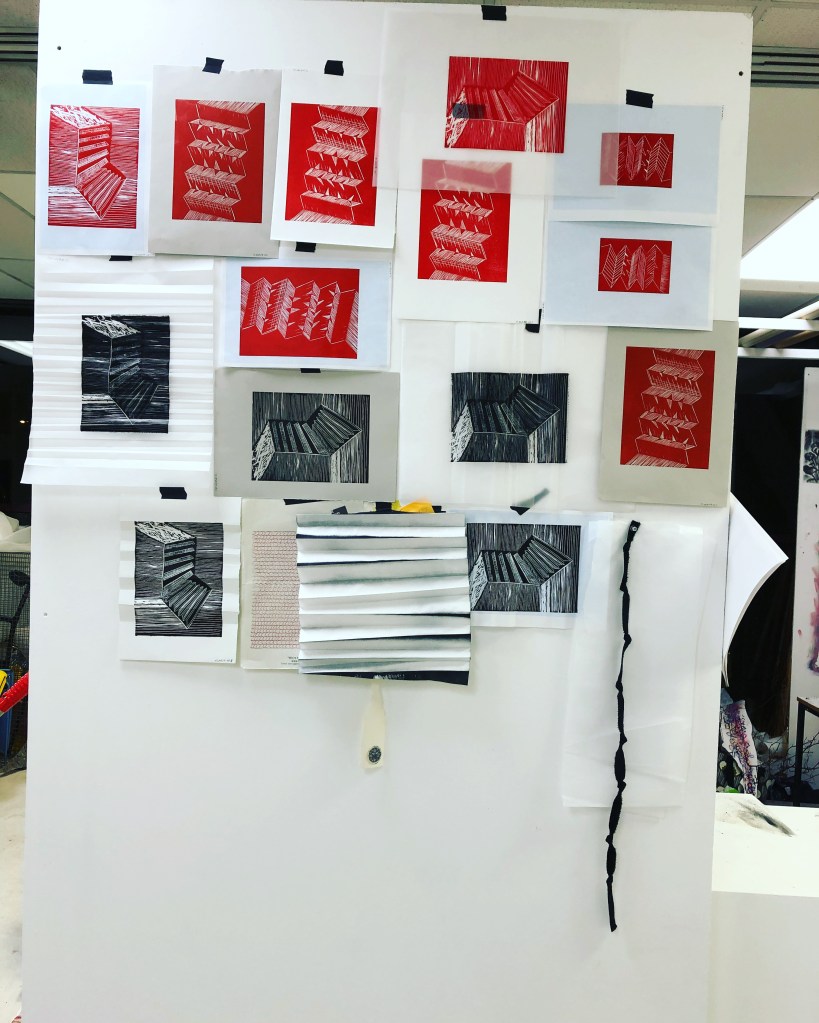
view of installation of prints and pieces on Post Graduate Studio wall Early February 2020 all work from January-February 2020
I cleared my studio space in the post grad studio and painted it white. I worked on drawing directly onto the wall with black tape. I made one wall a bigger than life size version of work I had made very small scale in my sketchbook. In this installation the edges of the walls are important, just as the edges of the paper are for the small drawings. The feeling from this work is intended to be a disorientation of the space. A sense of falling, of moving, perhaps a shift.
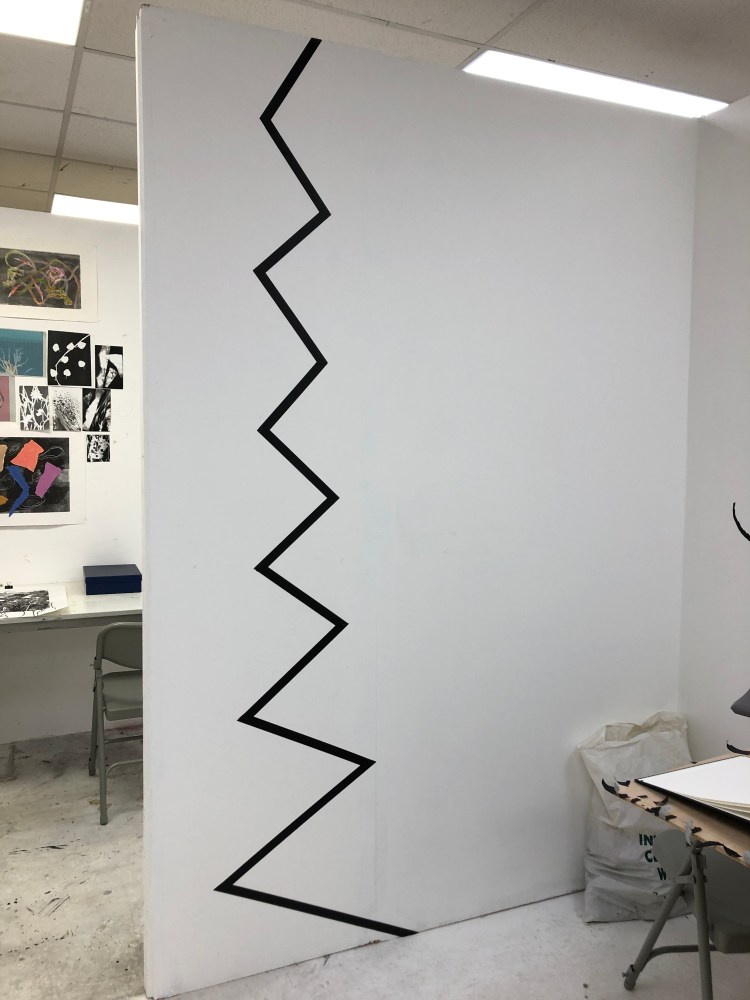
Beginning to draw directly onto the studio wall with black tape 23rd January 2020 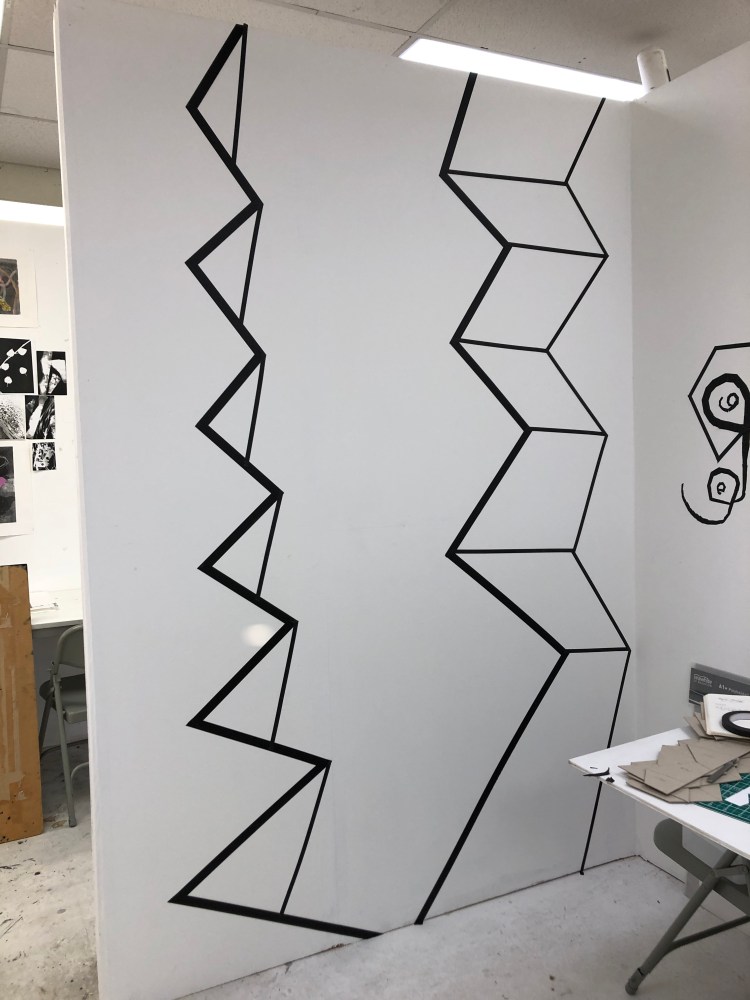
Drawing continues to the 7th February 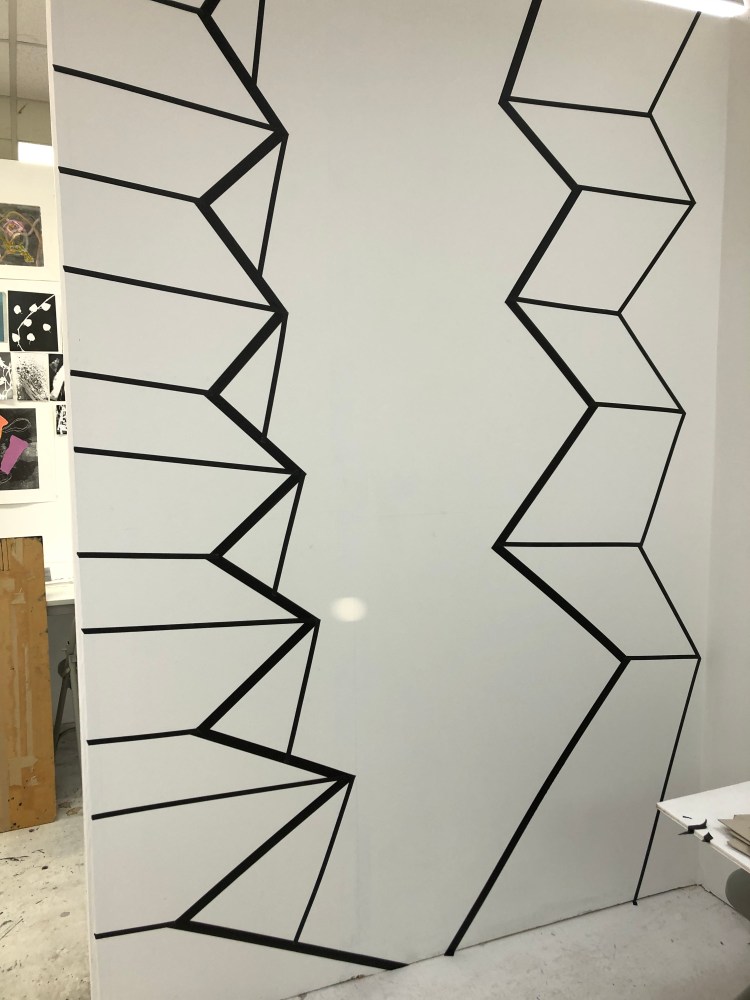
I decide to make interventions in the piece and take this photograph in readiness 8th February 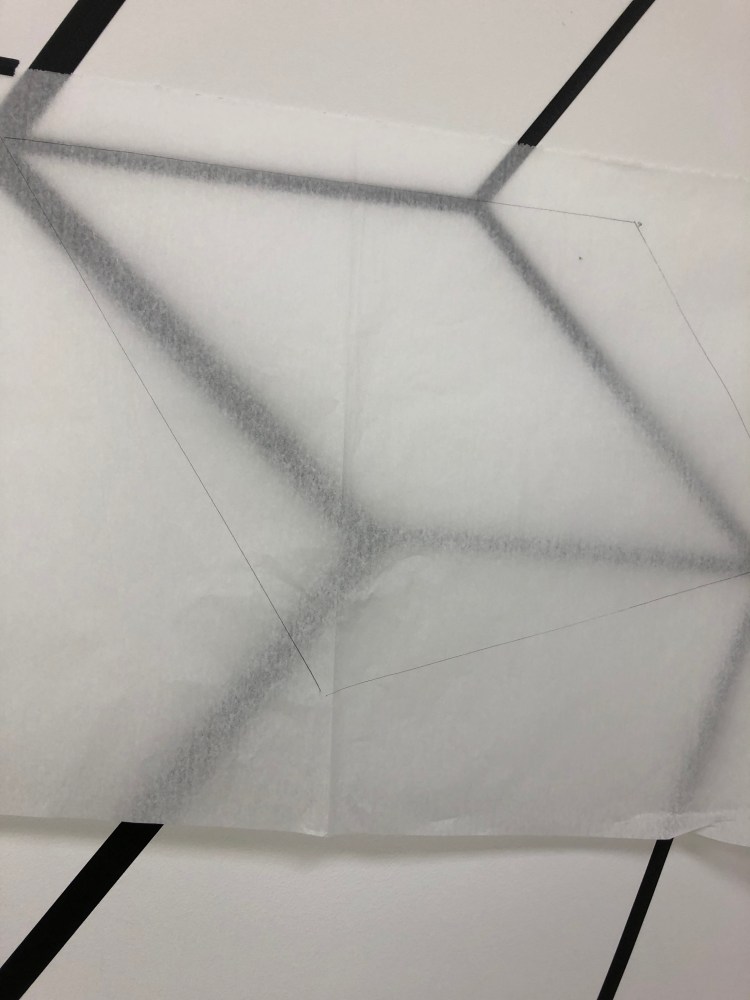
Drawing the internal rhombi ready to make cardboard interventions 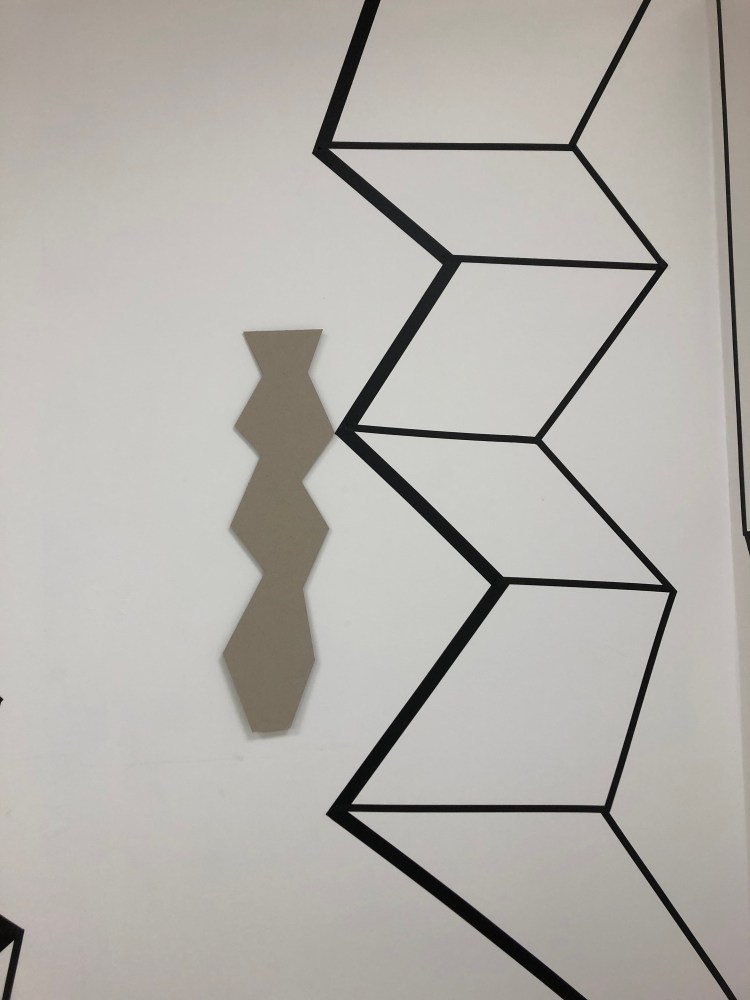
Making interventions in the installation 19th February 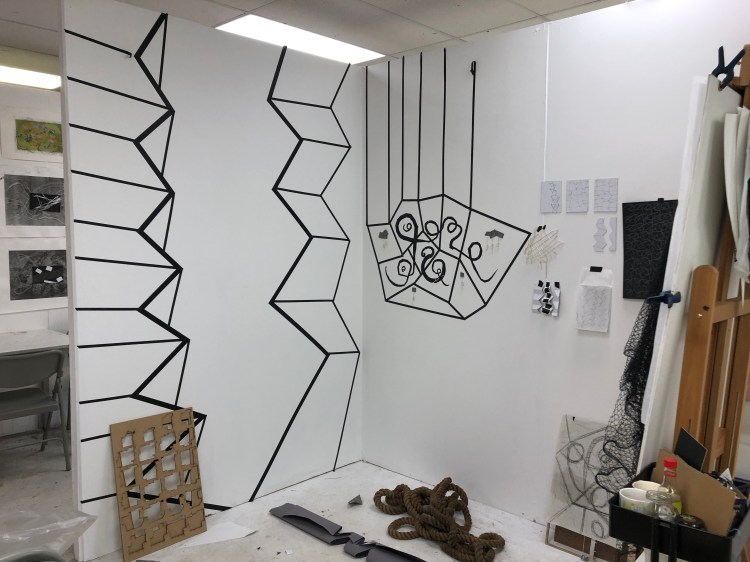
The drawing on this right hand wall is more organic. It developed from the sketchbook work I have been doing and the prints I made last semester and has a sense of the ‘cell’. This has also been a constant theme developing in my work for some time and I have also been looking at how to personify, or bring to life these cell forms through working with other materials in three dimensions. I started this installation on the 26th January, you can see the development below. I continued this work in a large plan sketchbook more detail will be in a separate post.
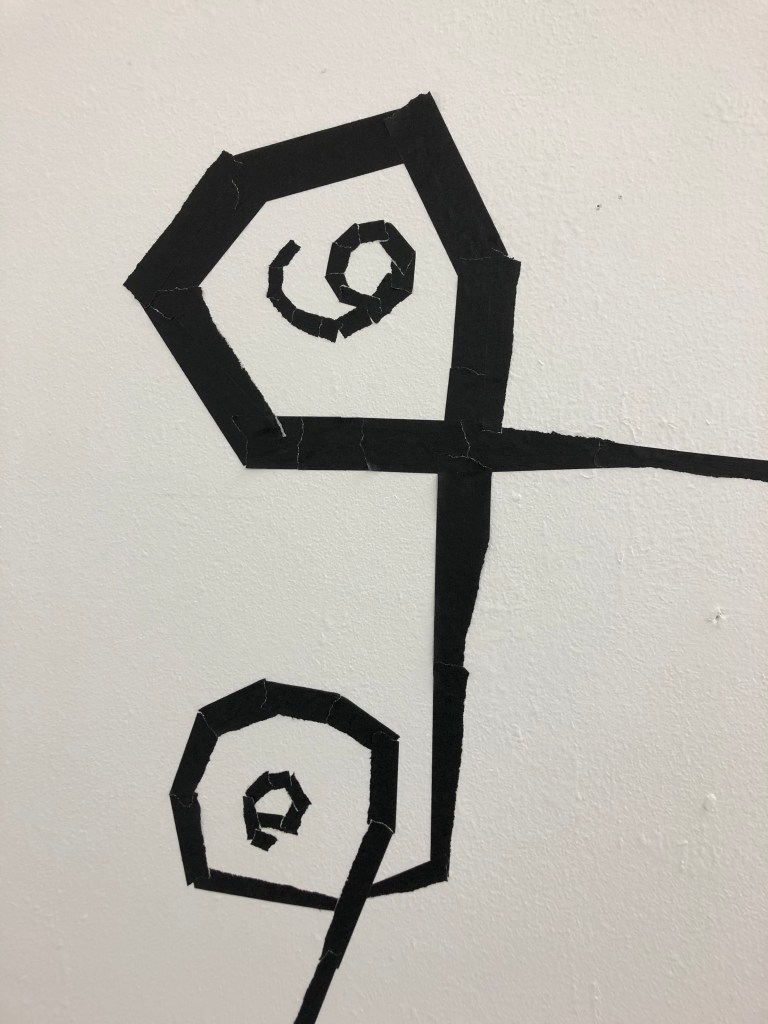
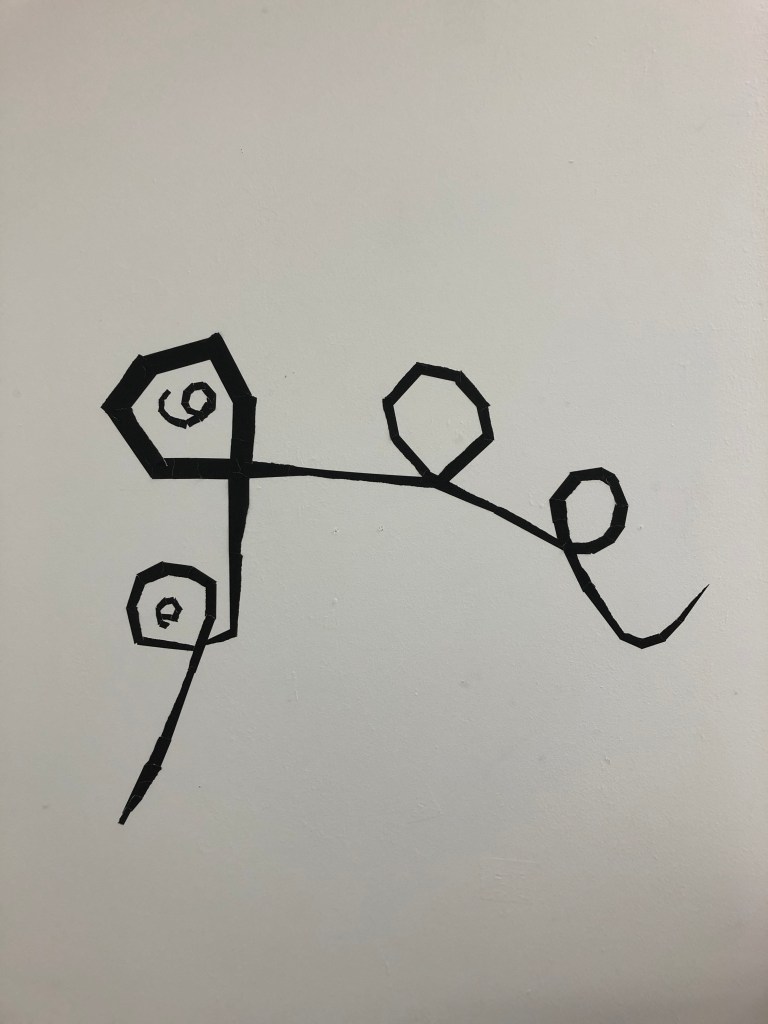
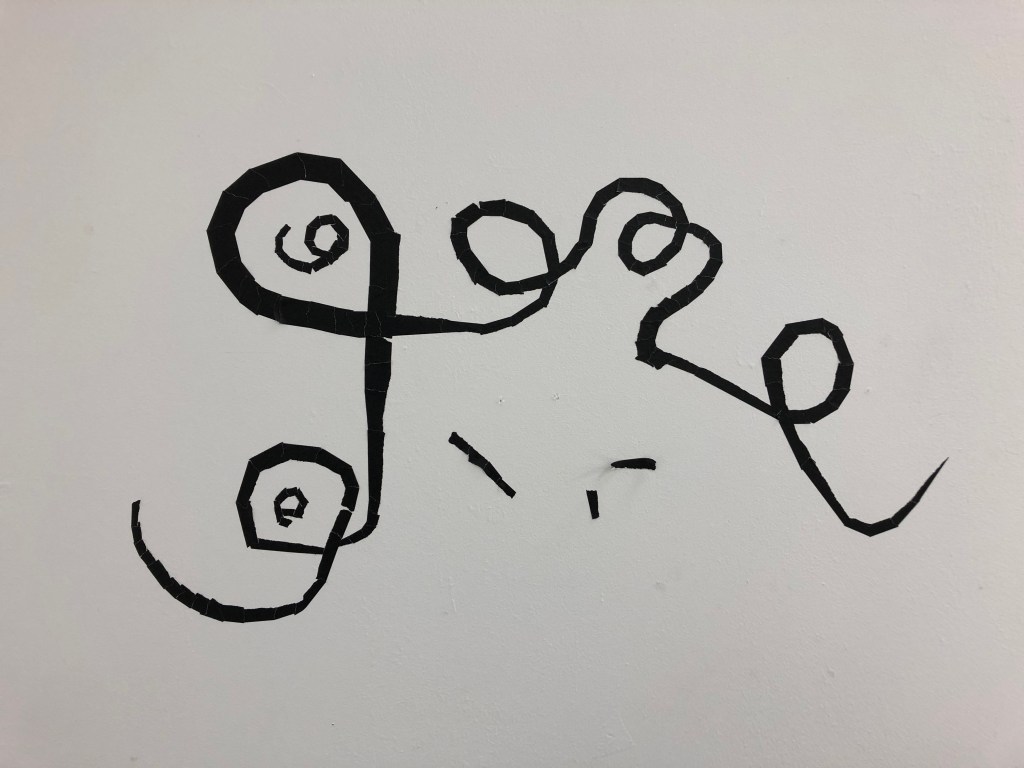
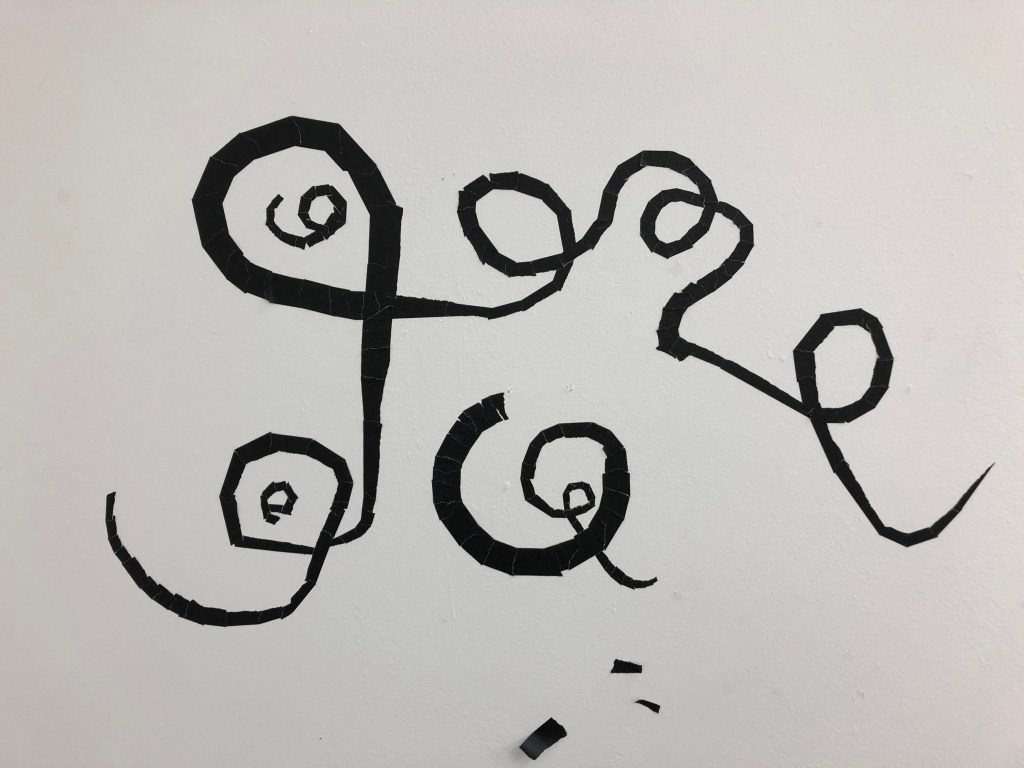
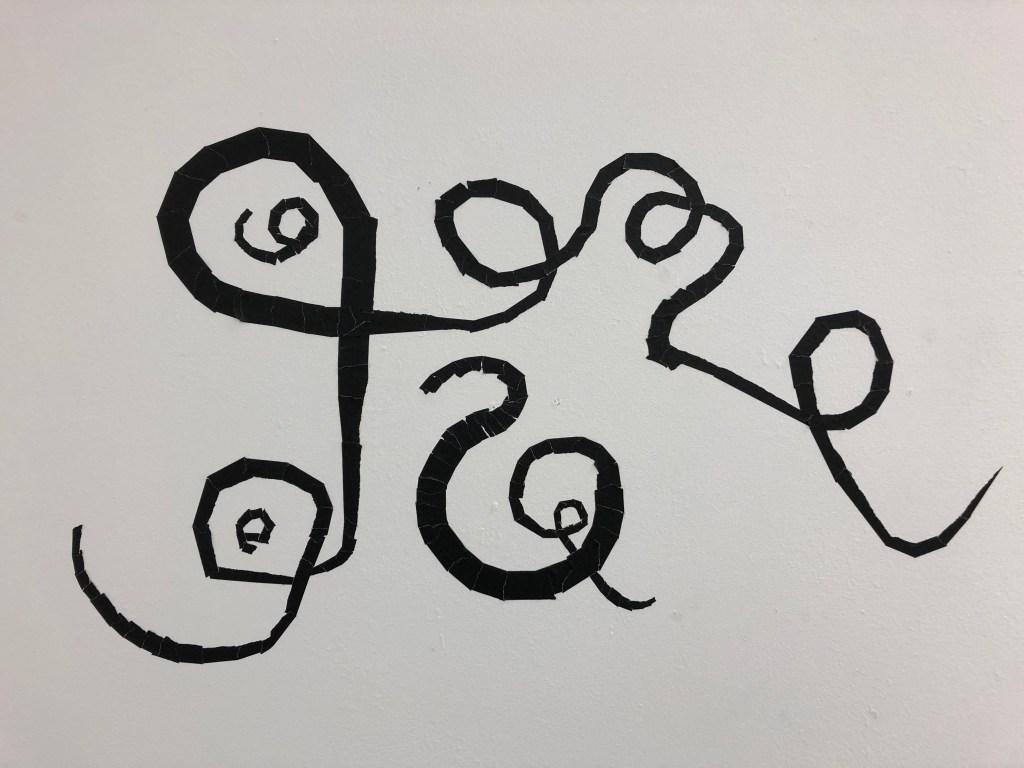

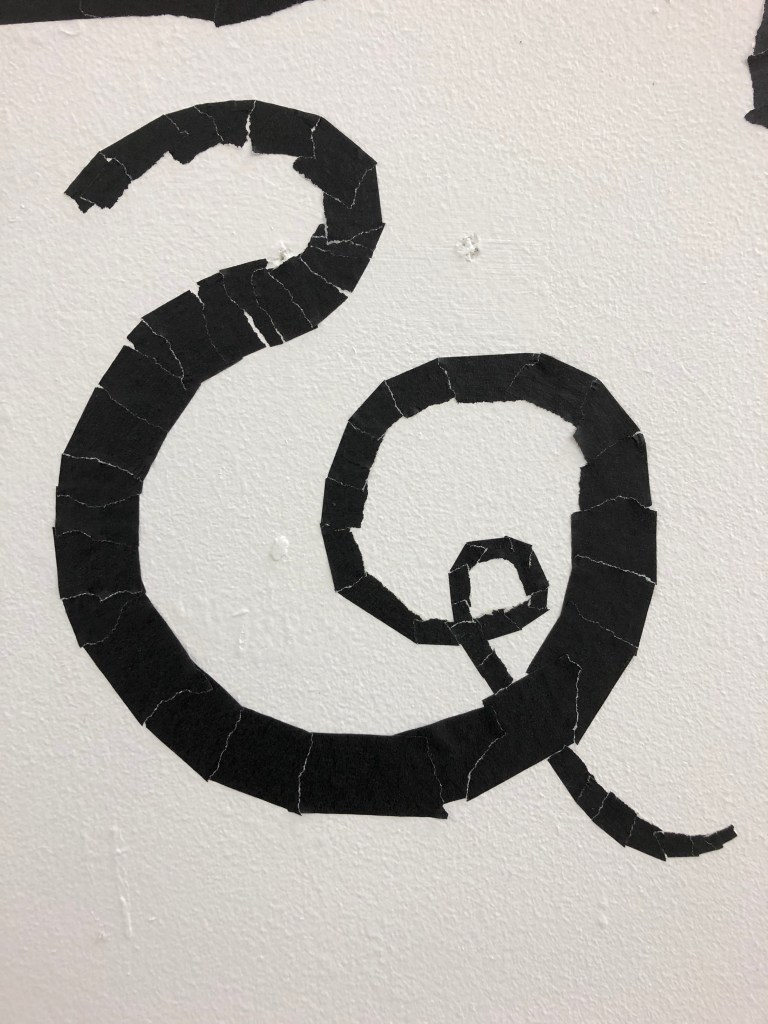
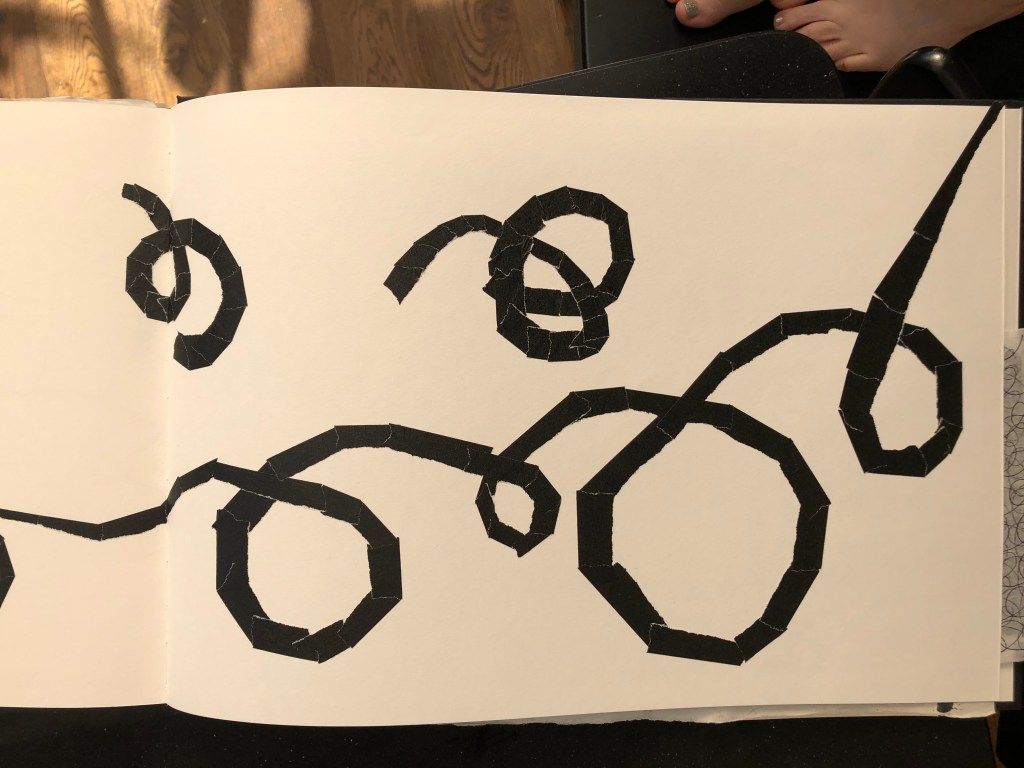
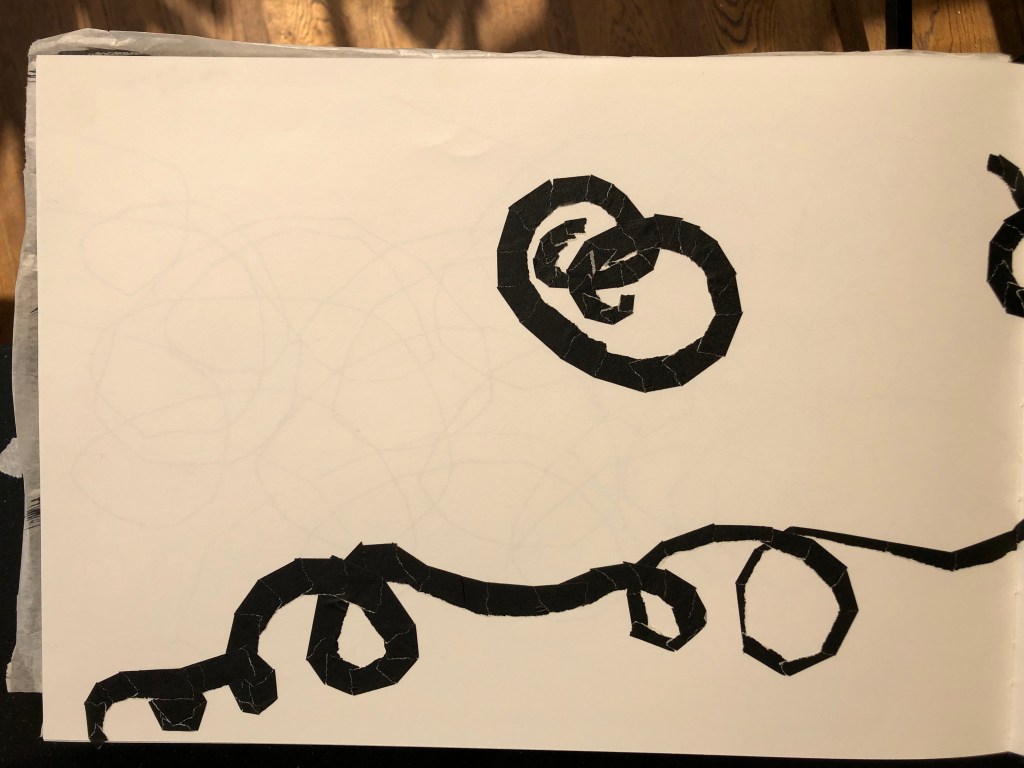
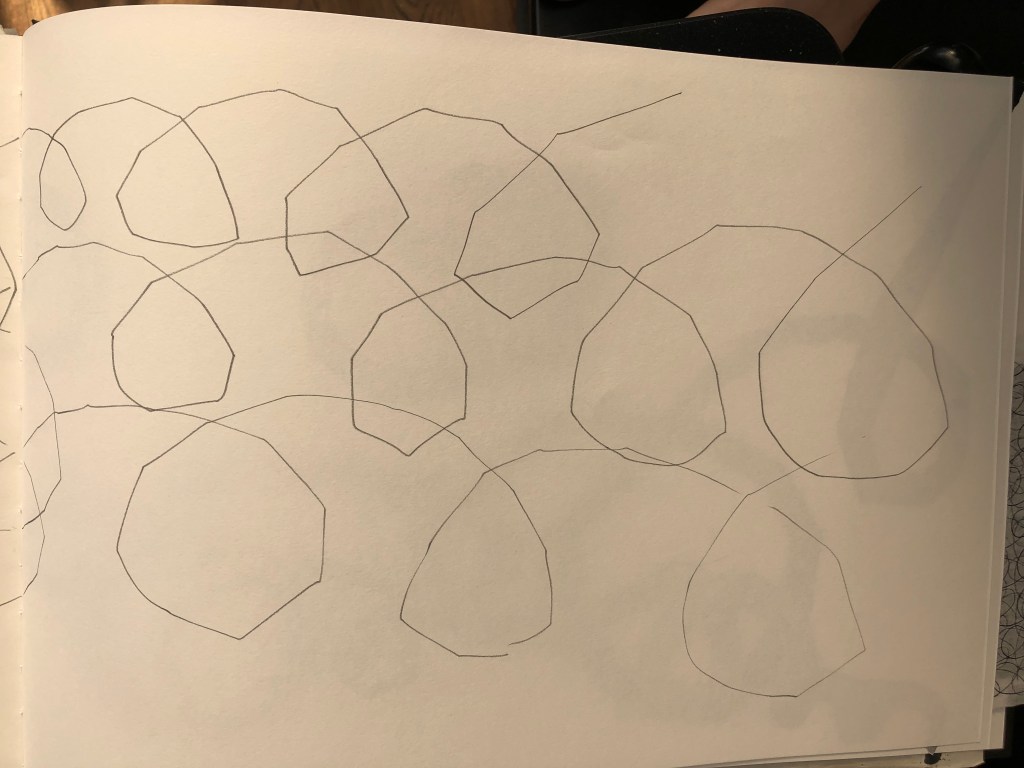
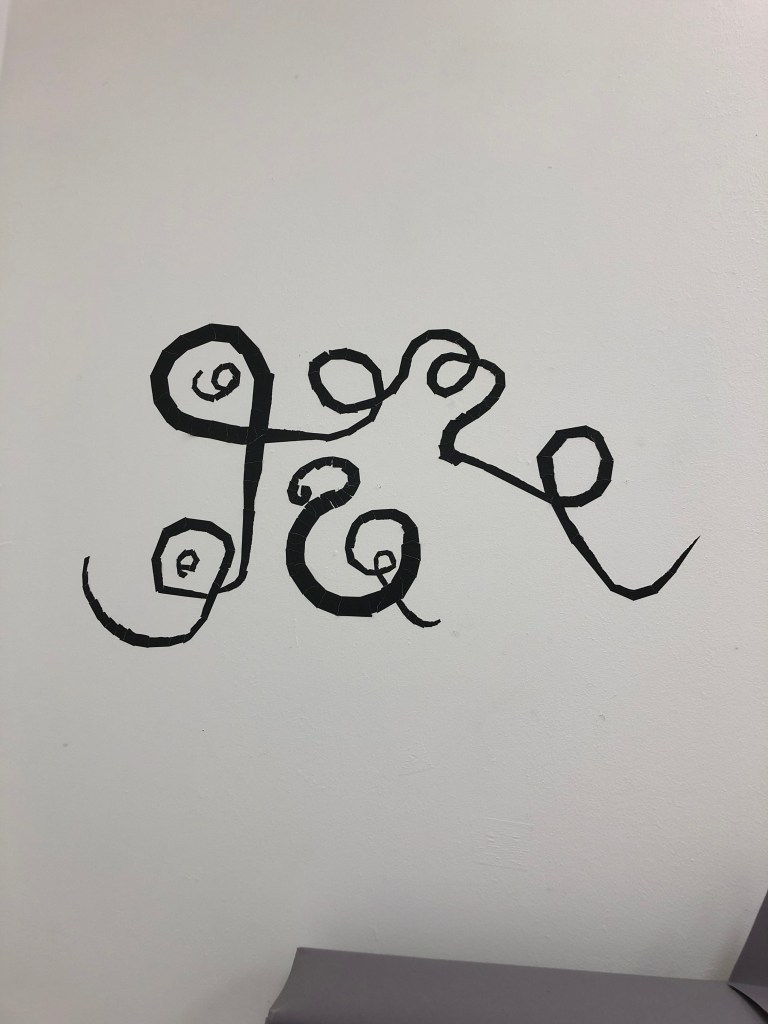
28th January 2020 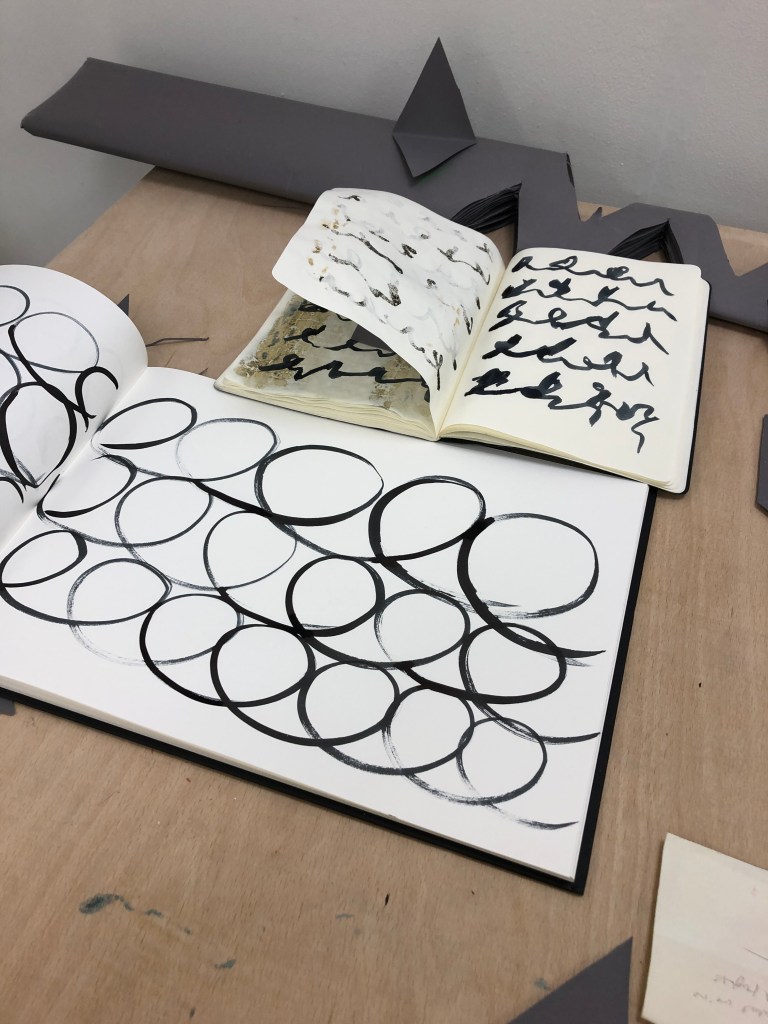
sketchbooks in progress February 2020 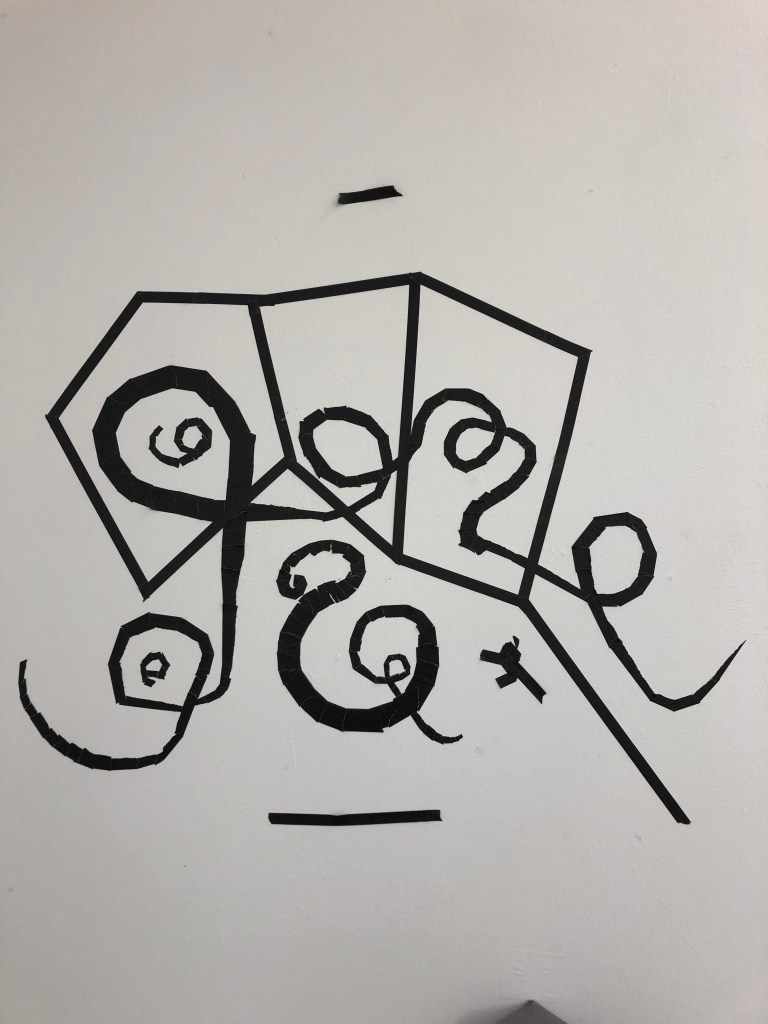
6th February 2020 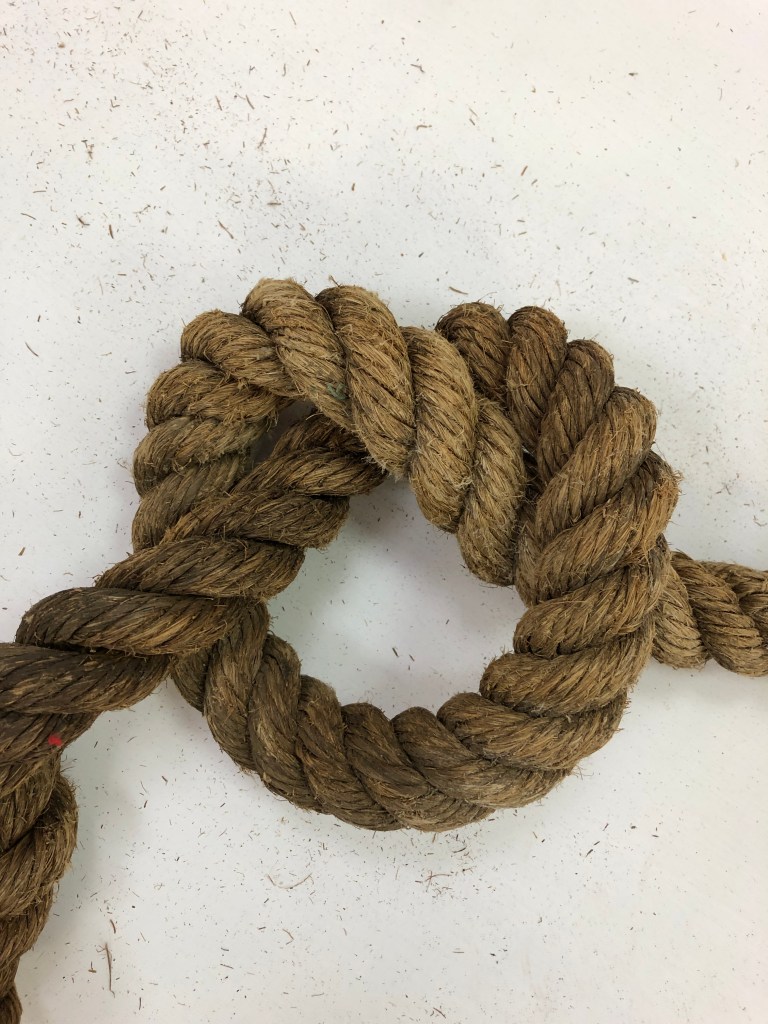
researching shapes and knots with found rope 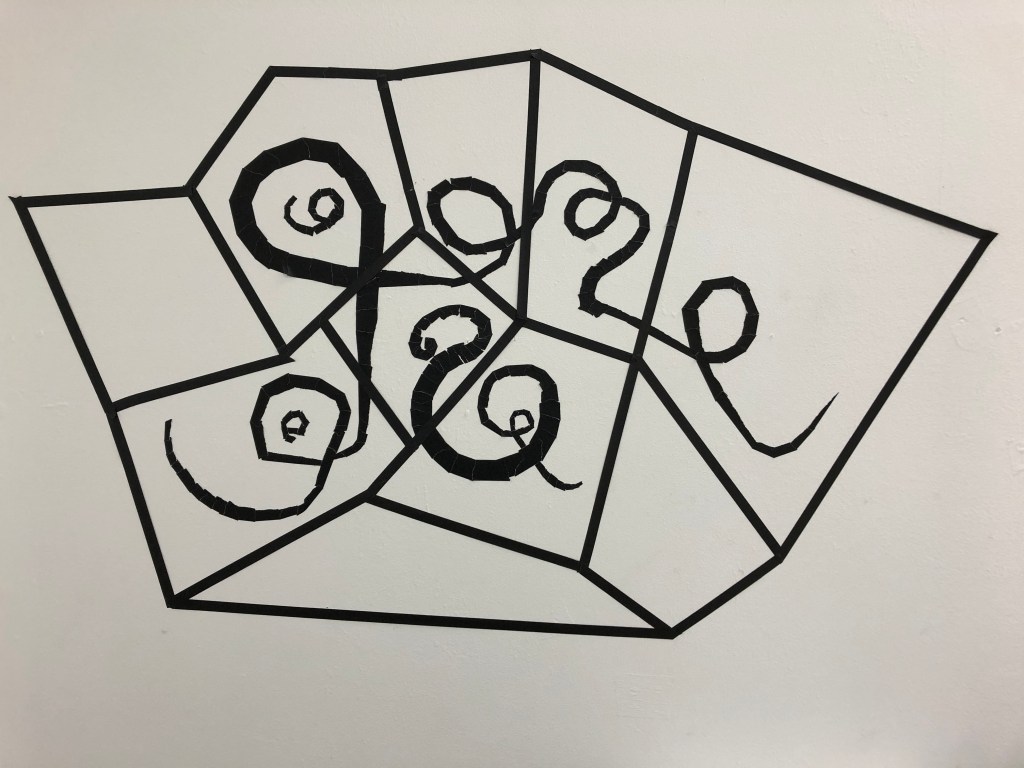
6th February 2020 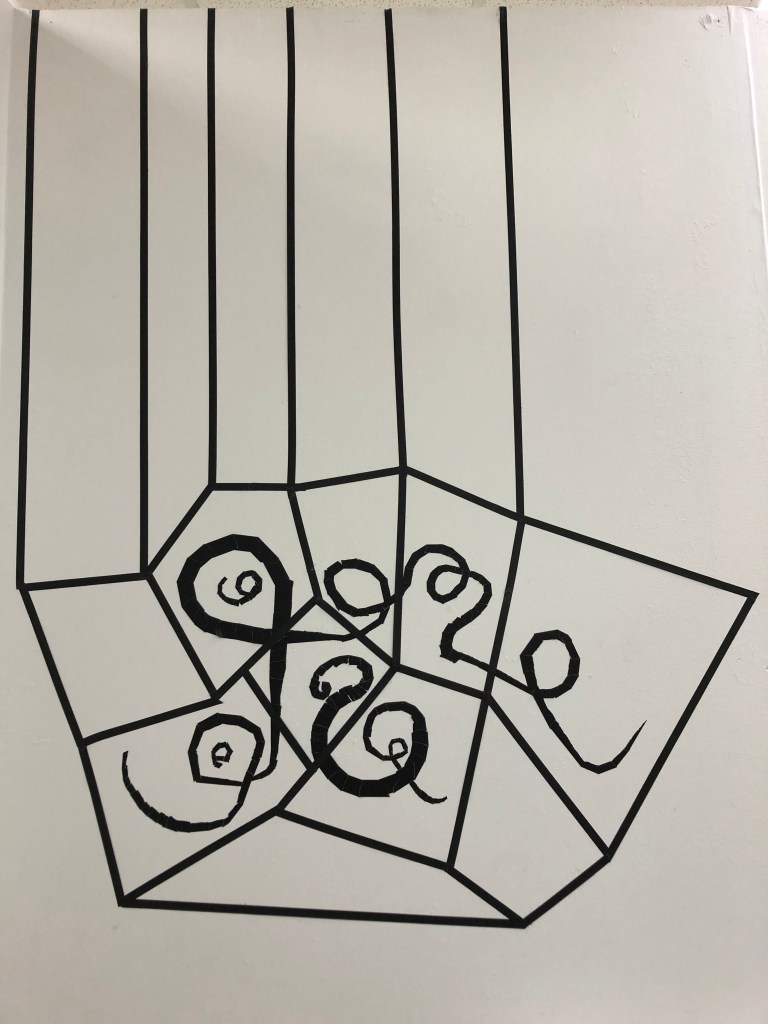
I started to add verticals to take the drawing into it’s own space on the wall 6th February 2020 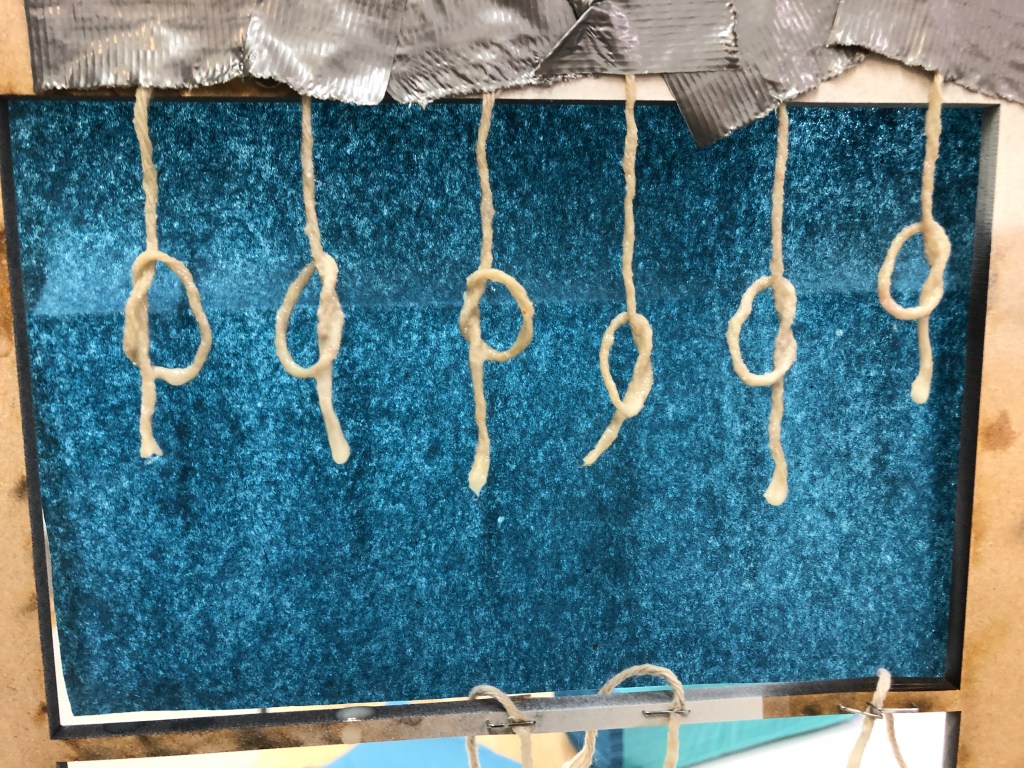
I worked with fast cast resin on string to make sculptures of knots 10th February 2020 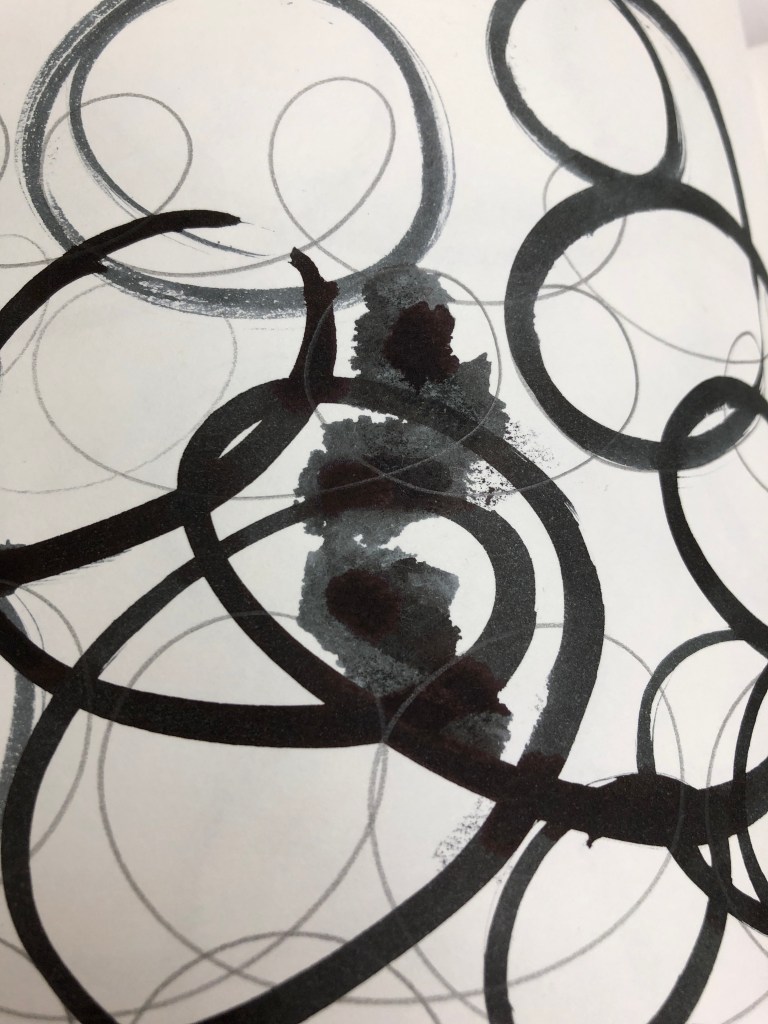
from the ongoing sketchbook work 11th February 2020 
small sculptures are added to the installation 12th February 2020 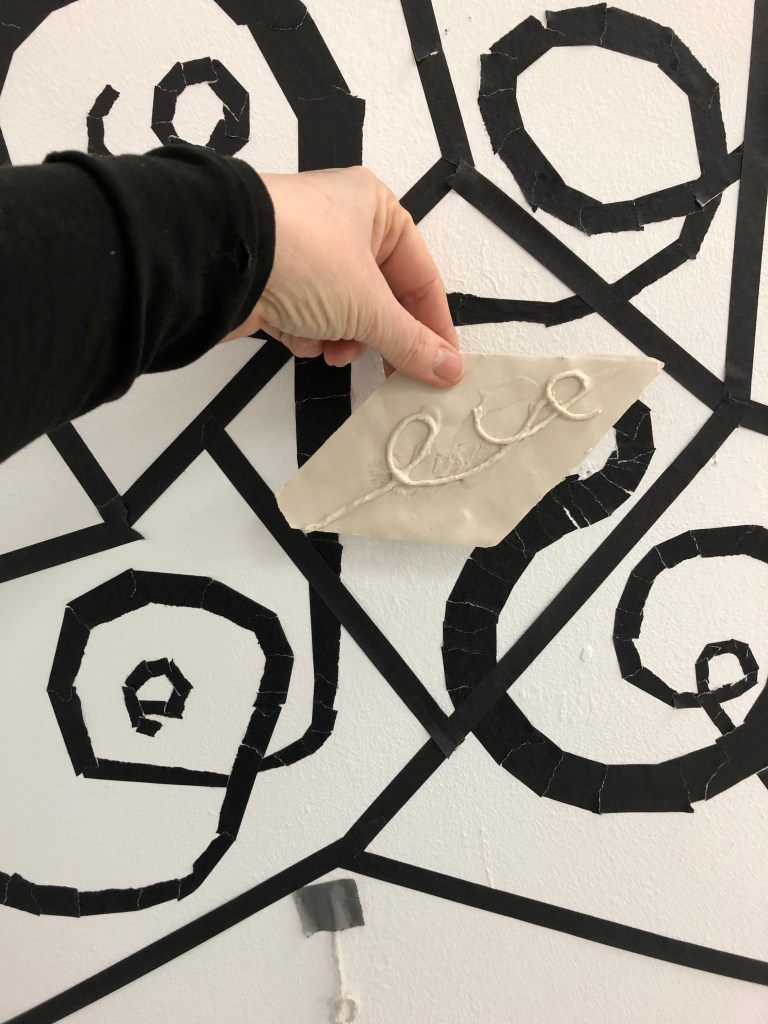
Looking at interventions with porcelain 19th February 2020 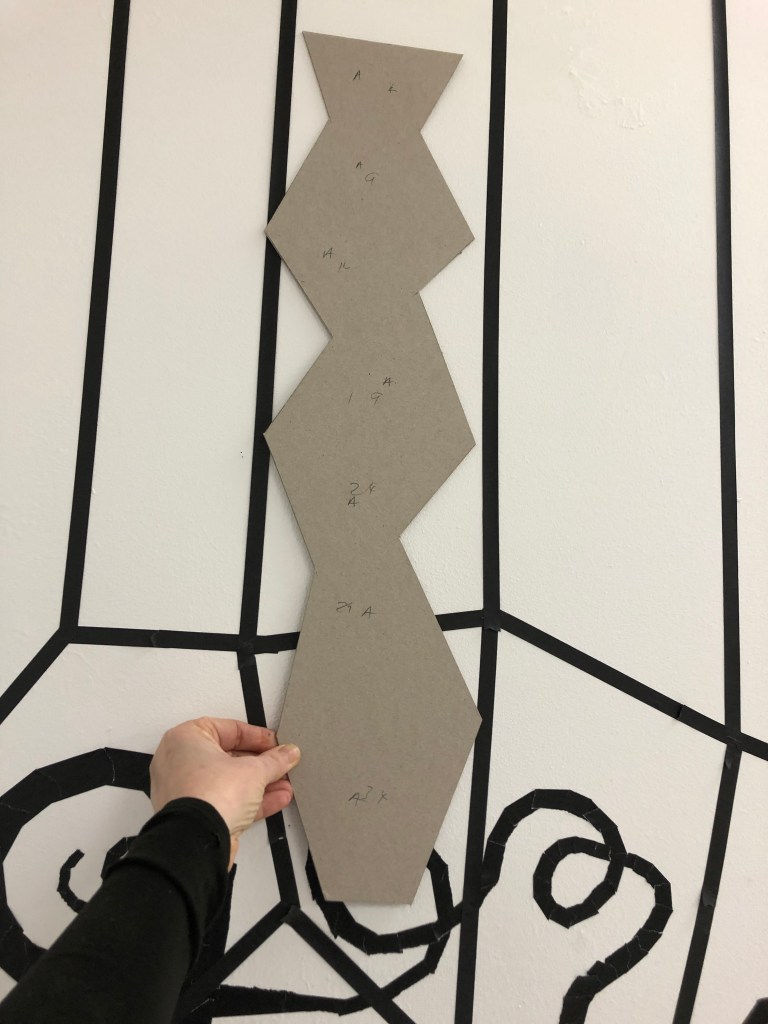
Using cardboard stencils made for workshop practice to make more interventions 19th February 2020 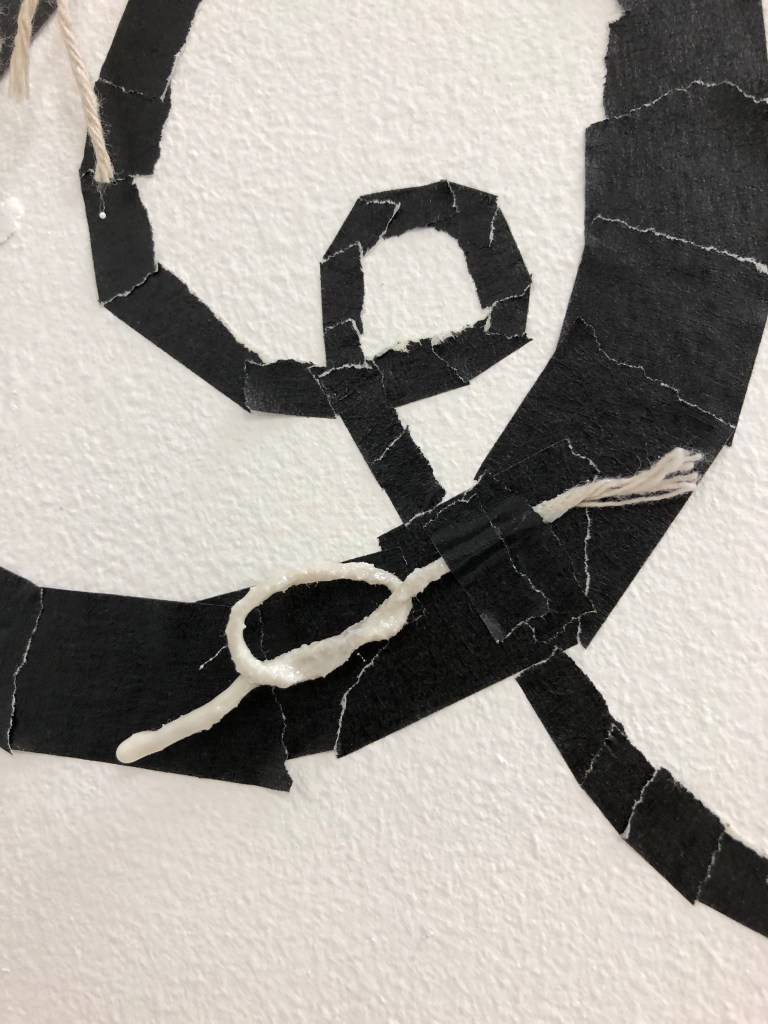
Adding small scale sculptures of string painted with fast cast resin 19th February 2020 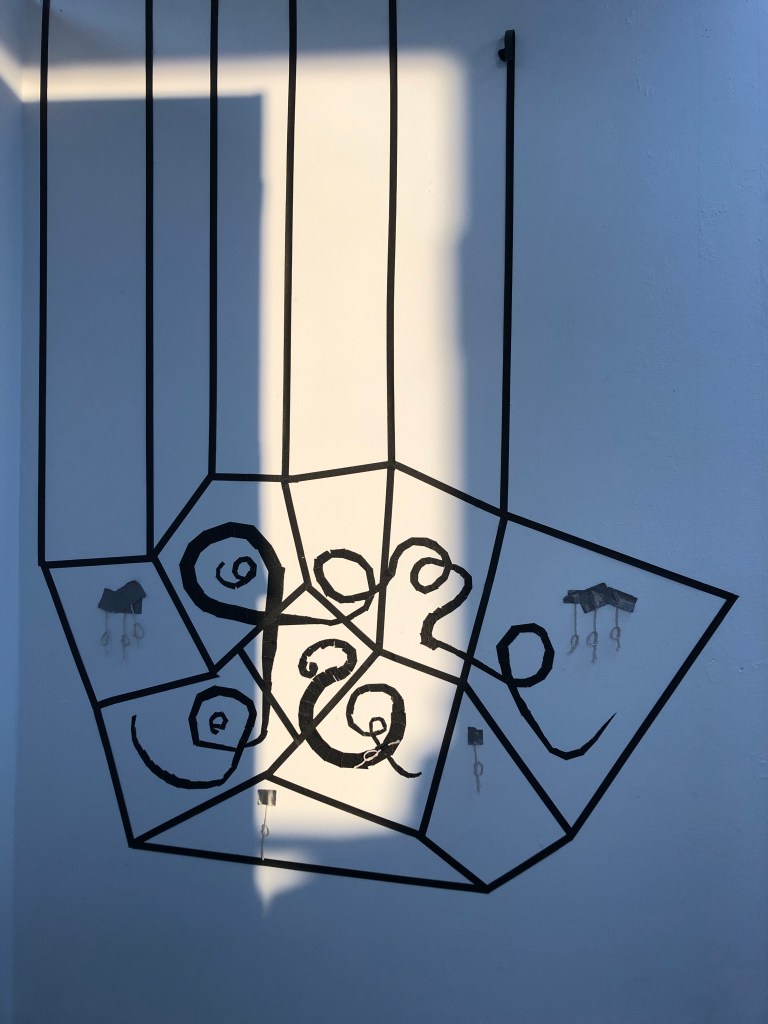
Using the lights and shadows cast at sunset to further intervene with the cells installation 20th February 2020 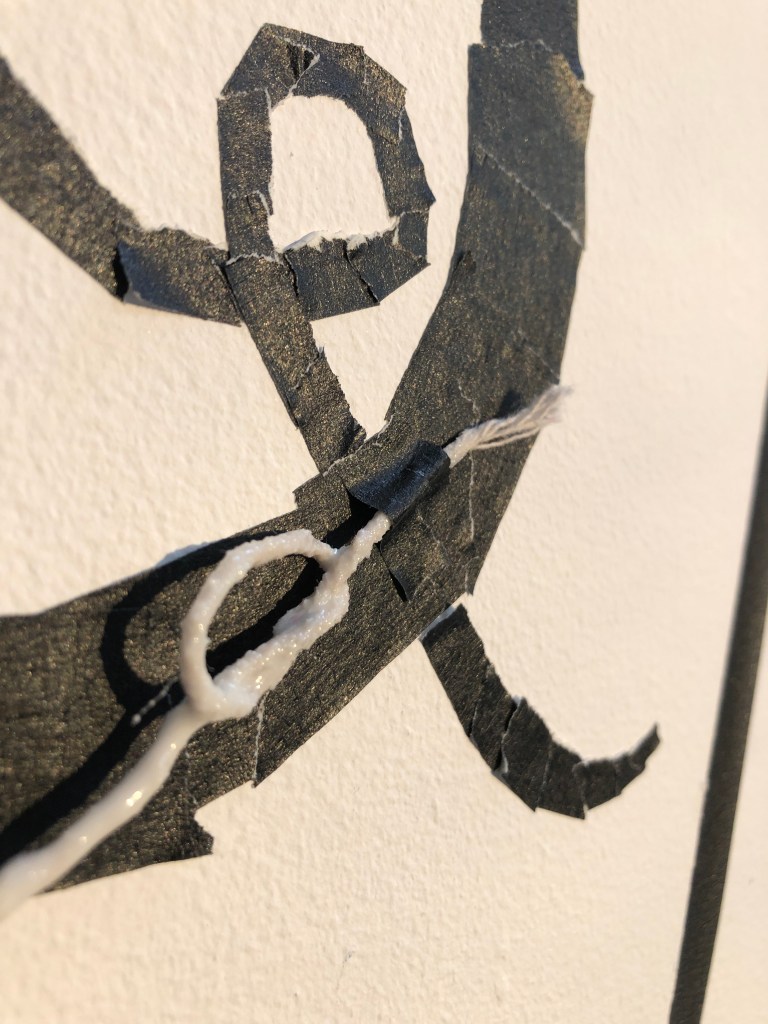
looking closely at knot sculpture and its shadow on the cell installation 25th February 2020 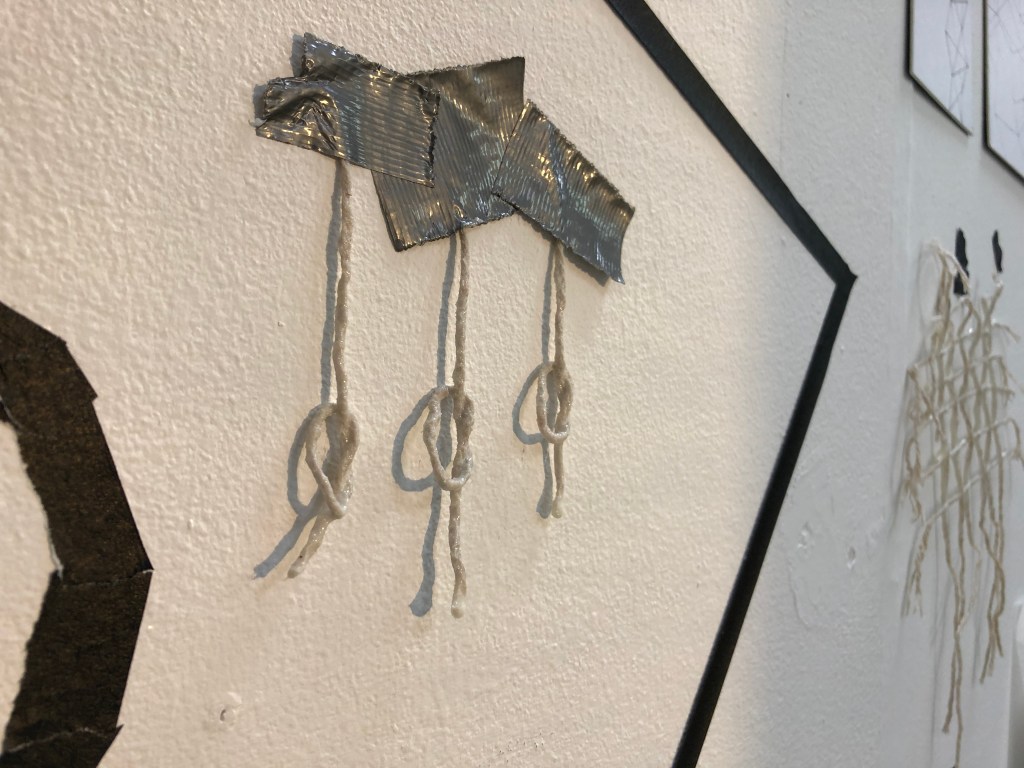
Looking at the small knot sculpture and their shadows in the late afternoon sun 25th February 2020 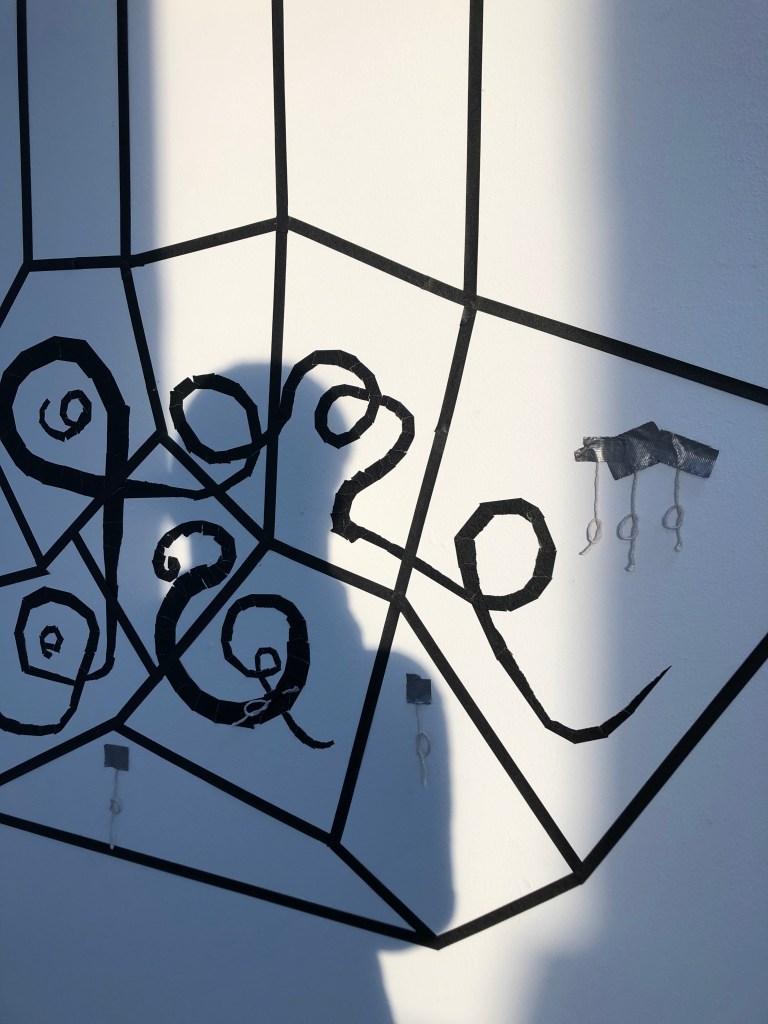
using my form as an intervention with the cell installation 26th February 2020 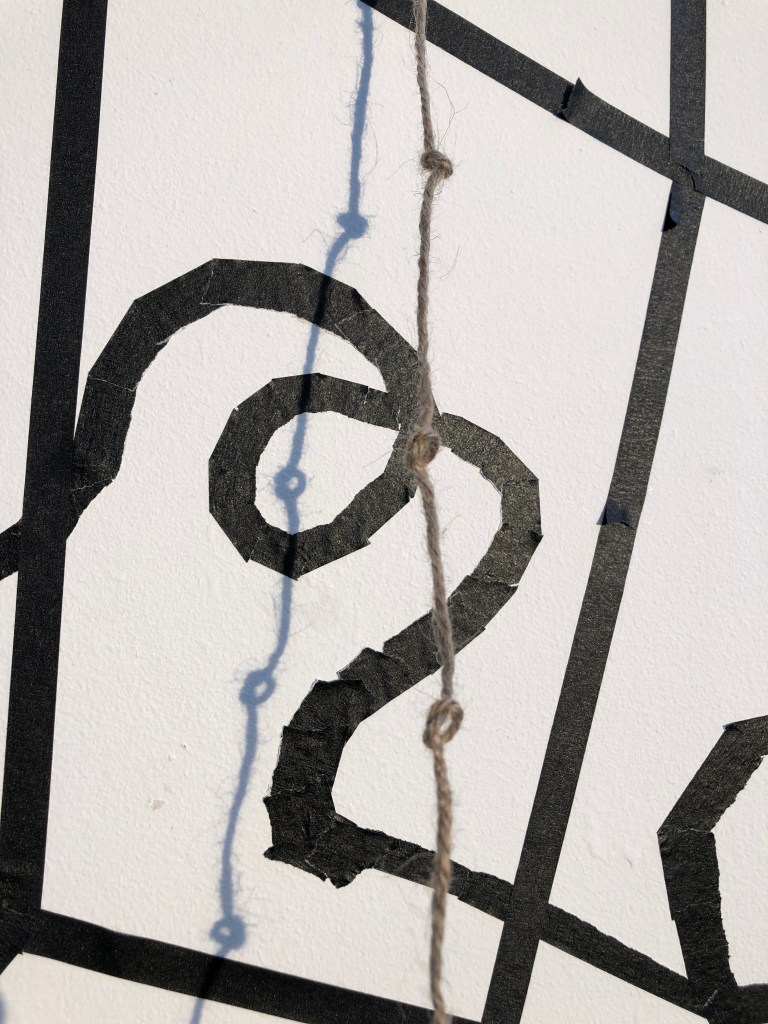
making knots with string and adding the shadows to the cell installation, recording the performance of this intervention 26th February 2020 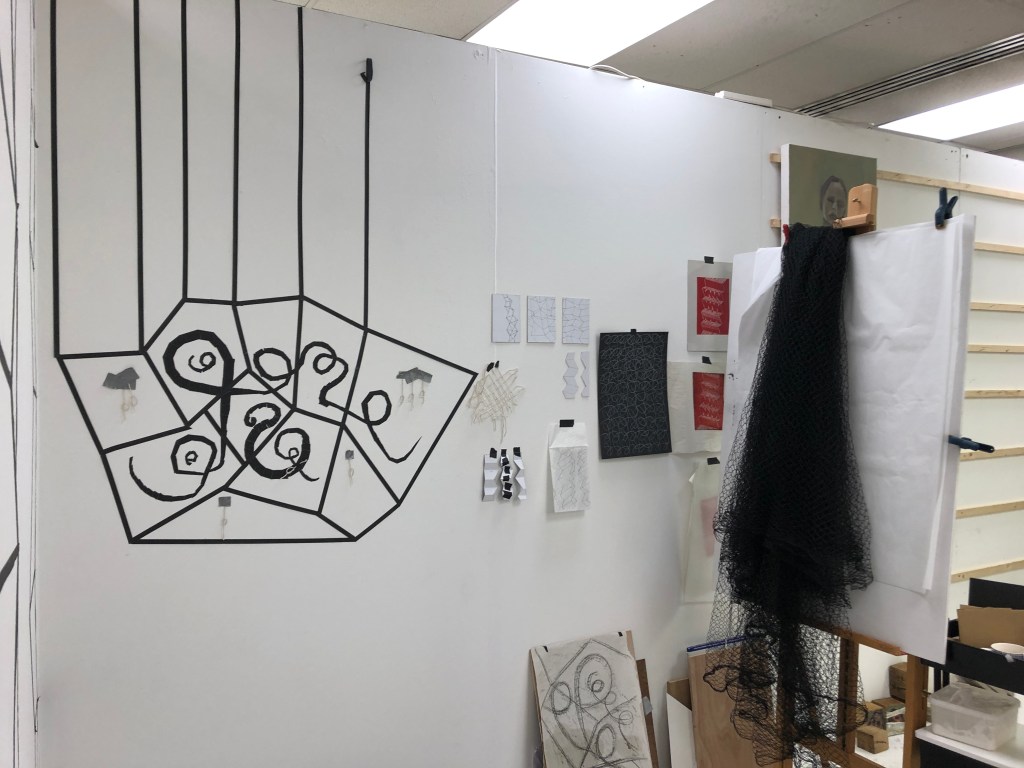
18th March final view of the installation space before studios close due to Covid-19
I also had previously wanted to use my ritual finds to make some fragile objects and used the slip onto plaster batts to impress some of my feather finds. The result were very fragile ’tiles’ to which the feathers were a sacrifice.
To this end I started working in the ceramics area with porcelain clay and dipped string and objects into porcelain slip to create small fragile sculptures.
I also made some nets, these were incredibly fragile and have broken but the pieces will be used. Shown below are examples of studio research in the ceramics and three dimensional workshop areas.
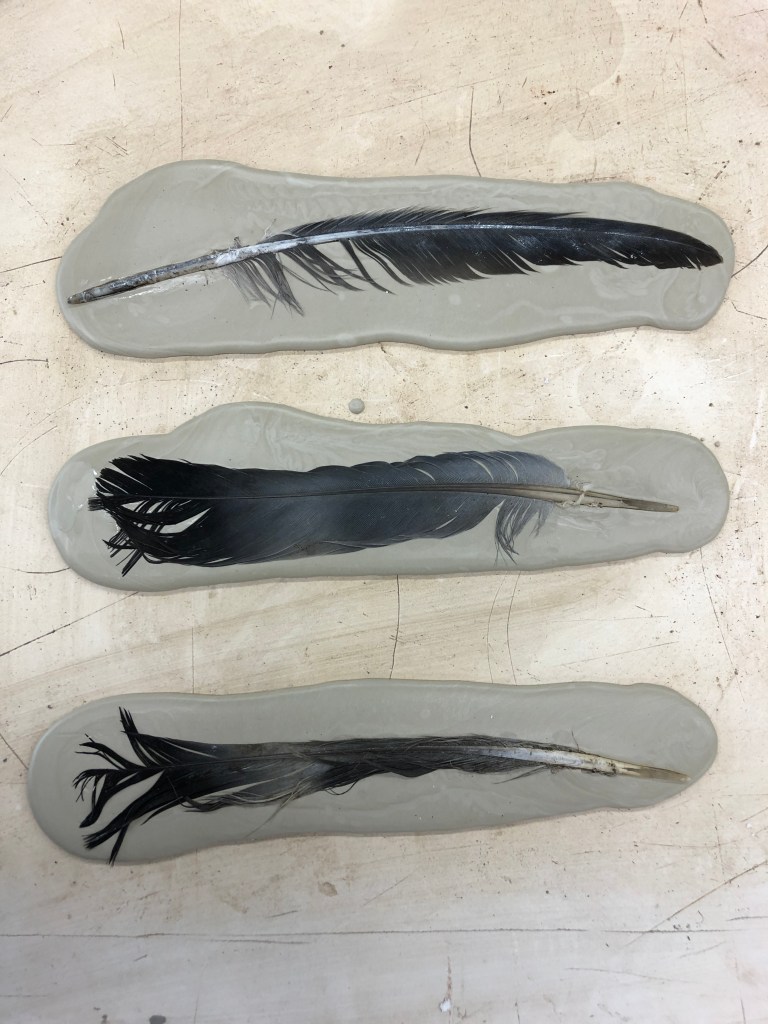
pressing the feathers into porcelain slip 
the slip has shrunk and I have removed the feathers 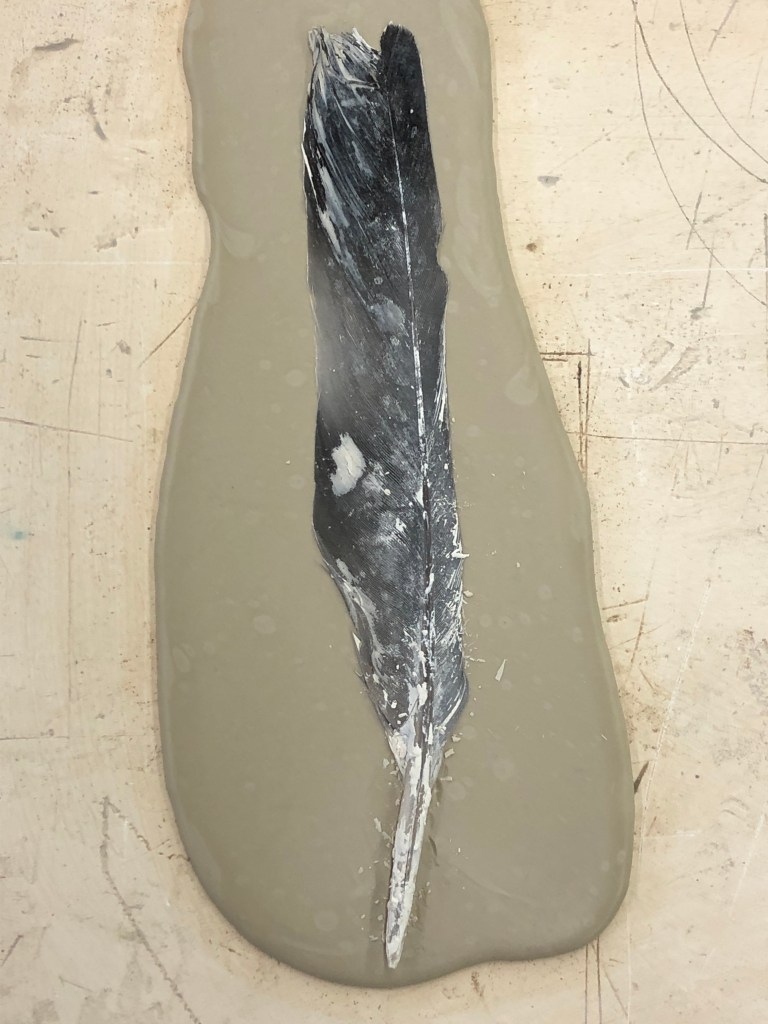
Making a larger slip tile and leaving the feather in the slip for firing 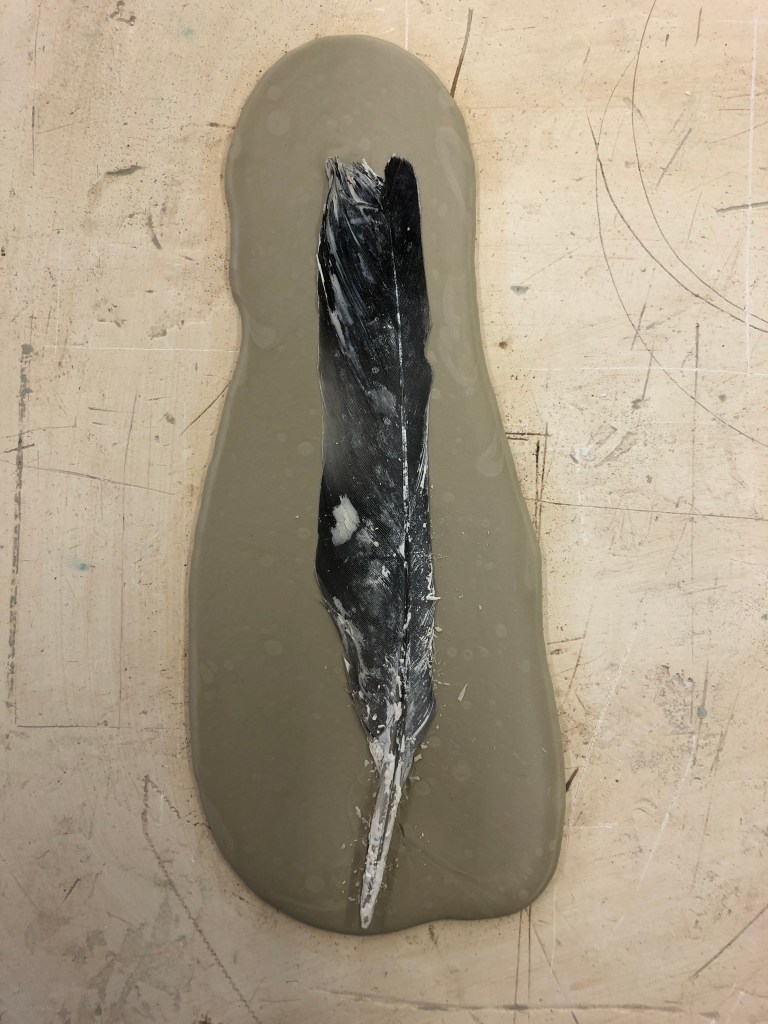
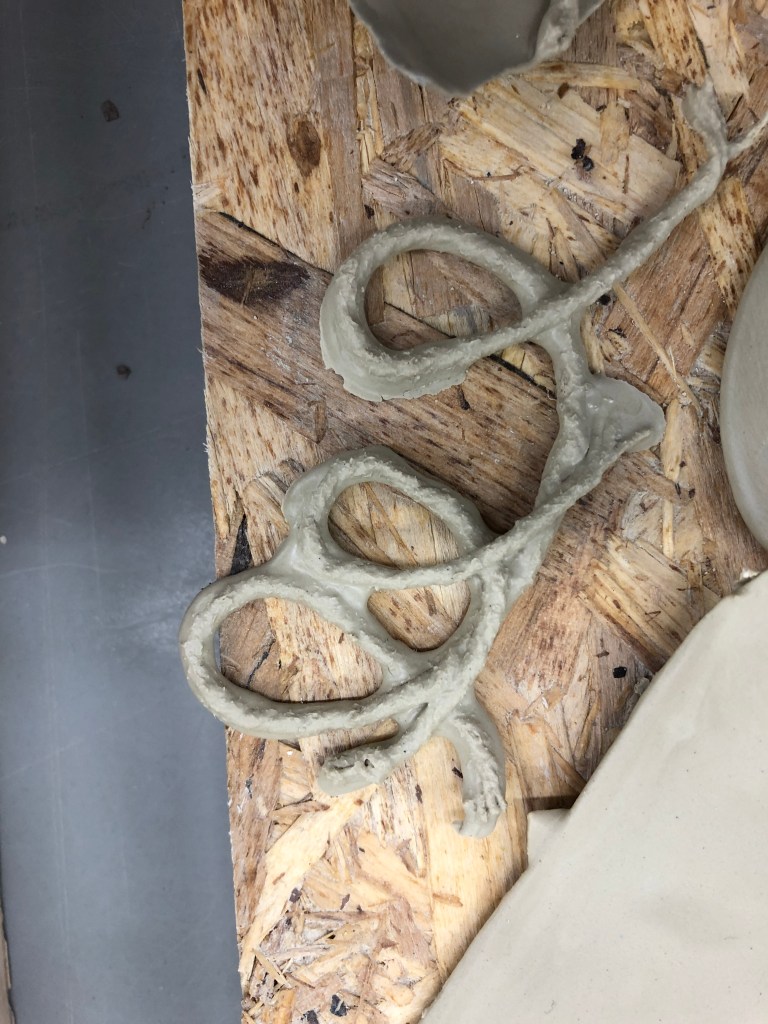
I dripped string into the porcelain slip and made shapes 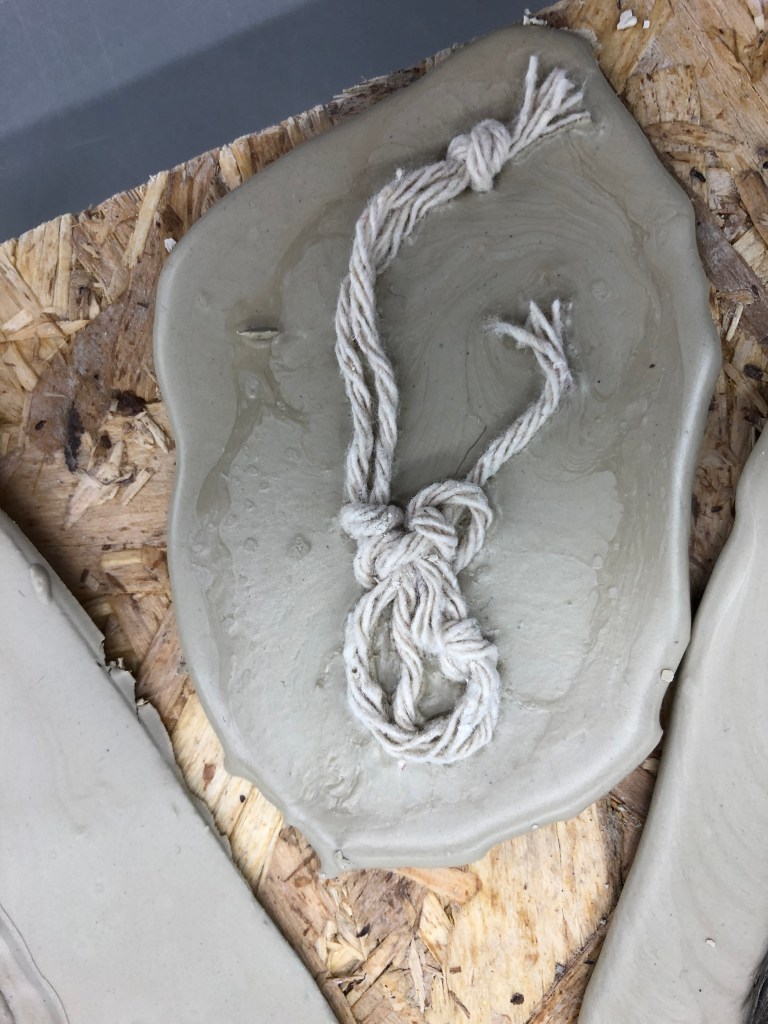
I pressed knots into the slop tiles 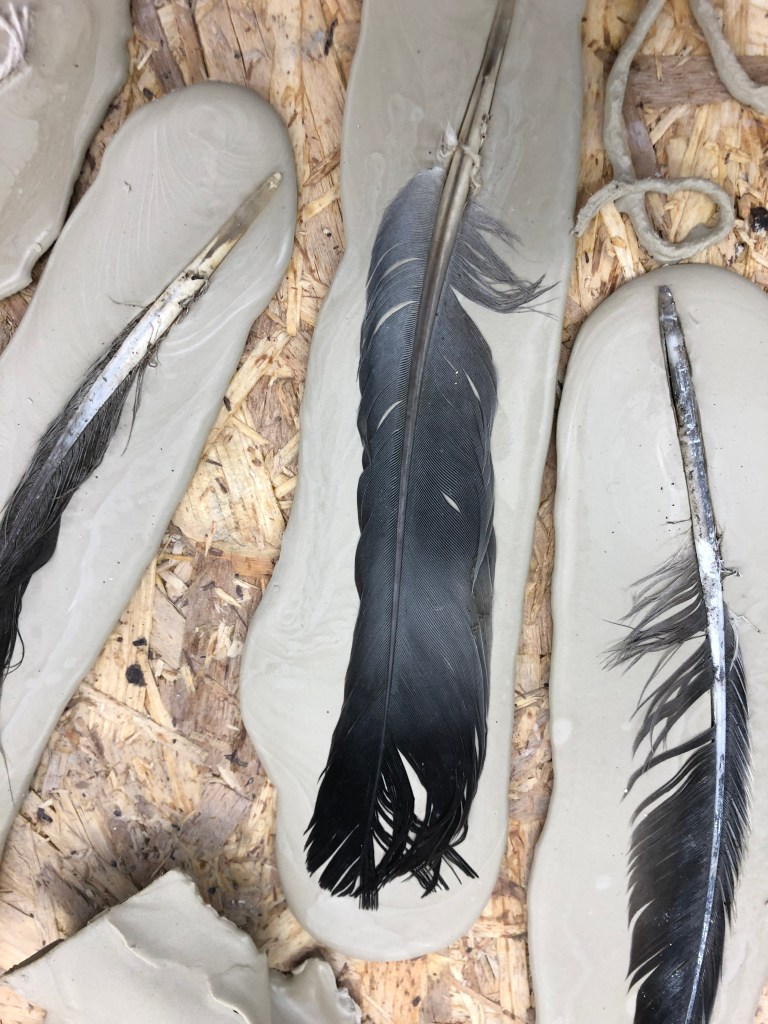
a selection of the feathers pressed into porcelain tiles ready for the kiln 
I used paper cut outs from a sculpture dipped in slip to create a tile back for some of the pieces
The outcome is below, I haven’t included all of the pieces as some remain in the studio which I cannot reach right now.
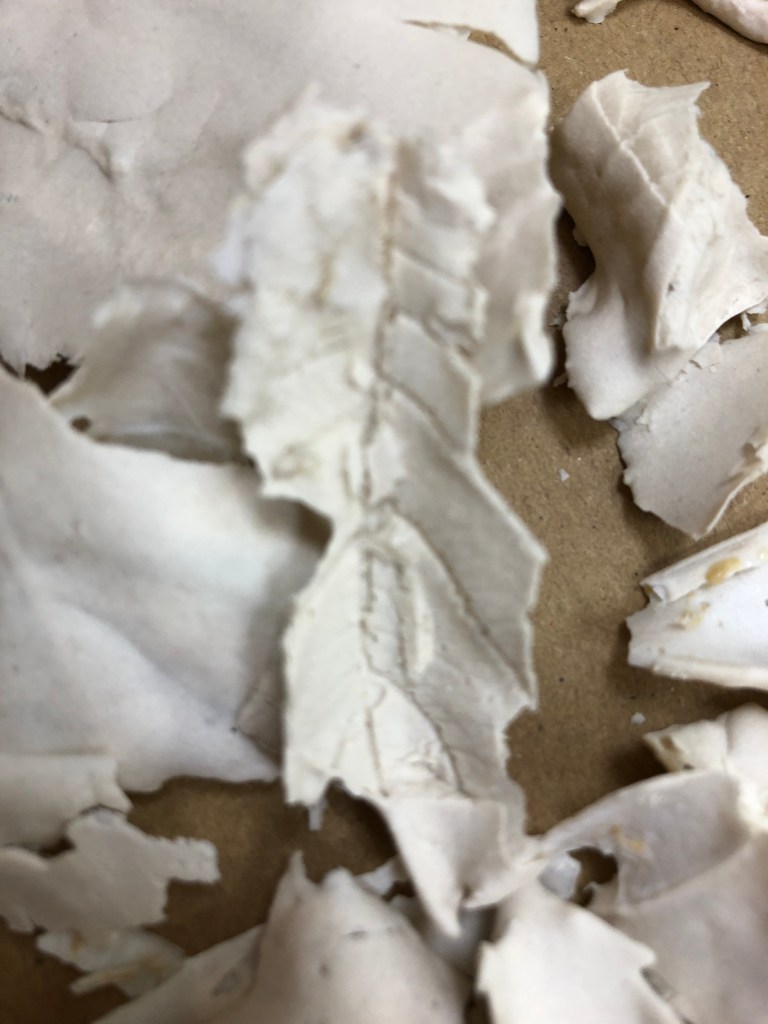
fired porcelain leaf structure 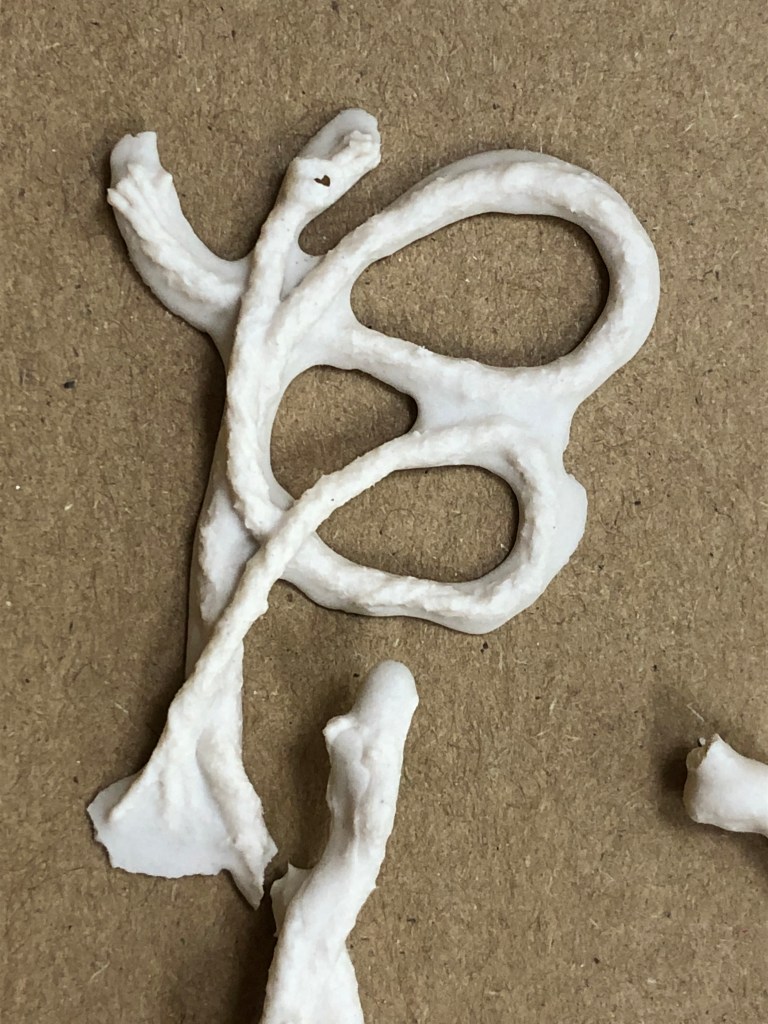
fired porcelain string shapes 
the tile with ghosting from the feather 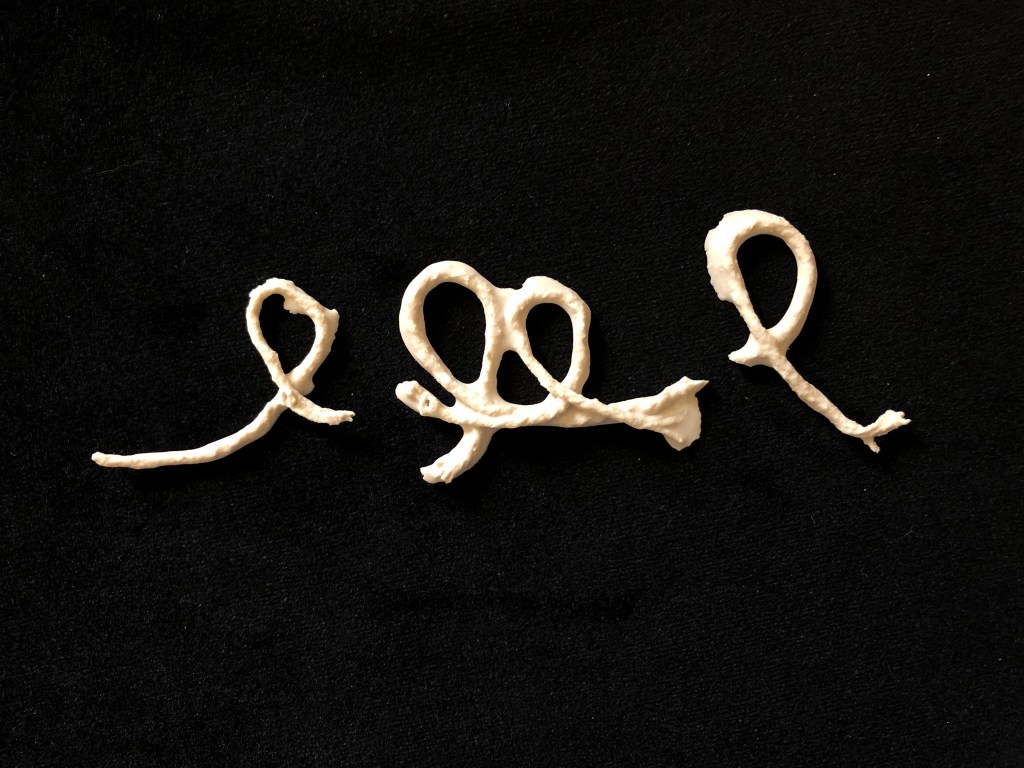
porcelain slip knots on velvet 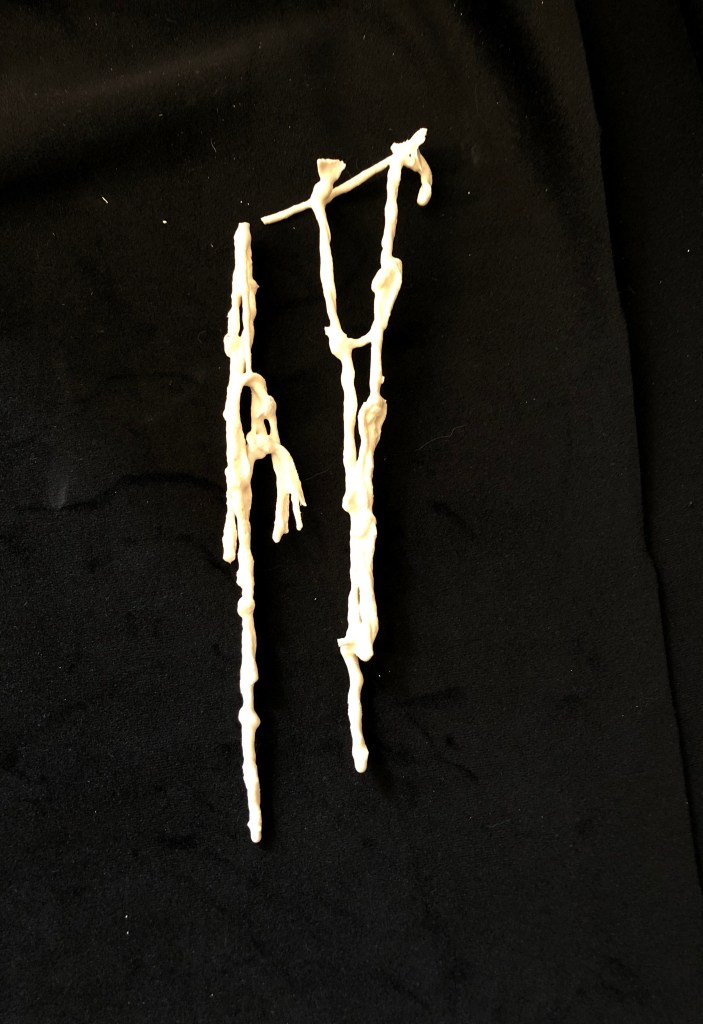
porcelain slip nets on velvet 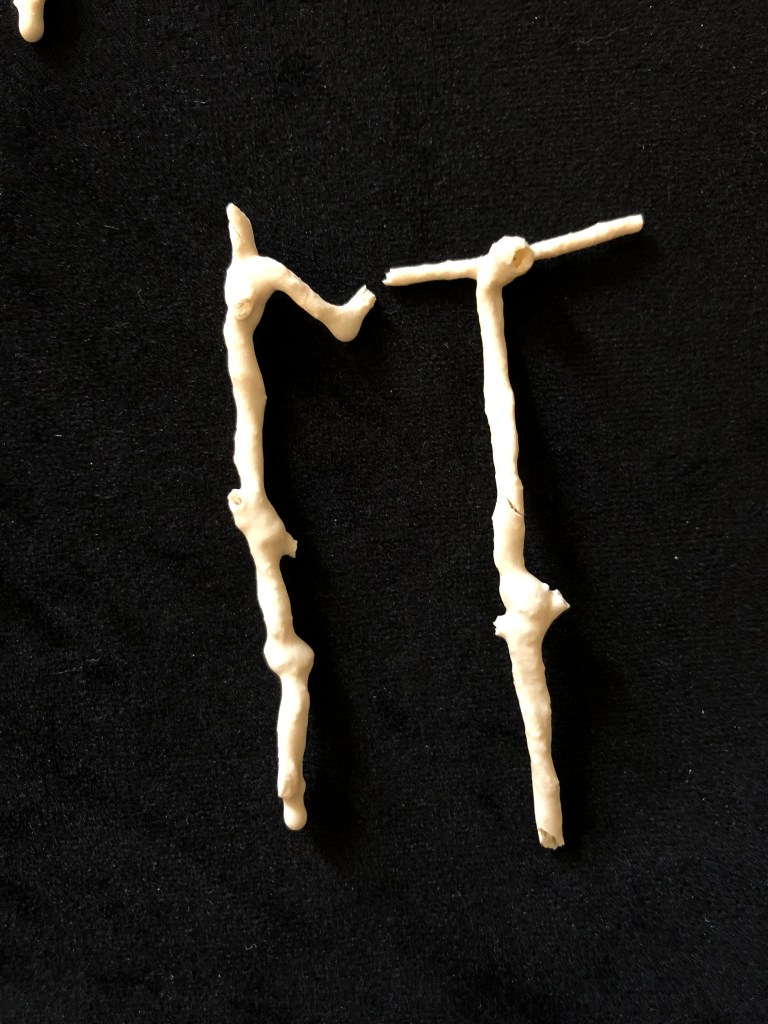
broken bits from the porcelain net 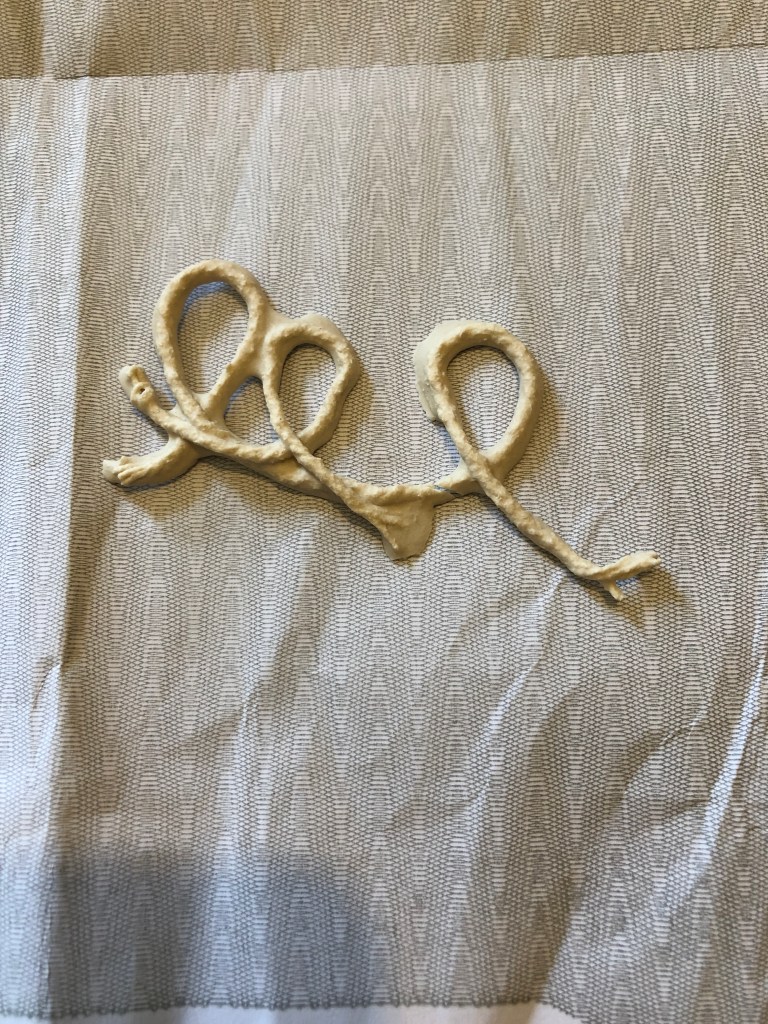
porcelain knots on paper 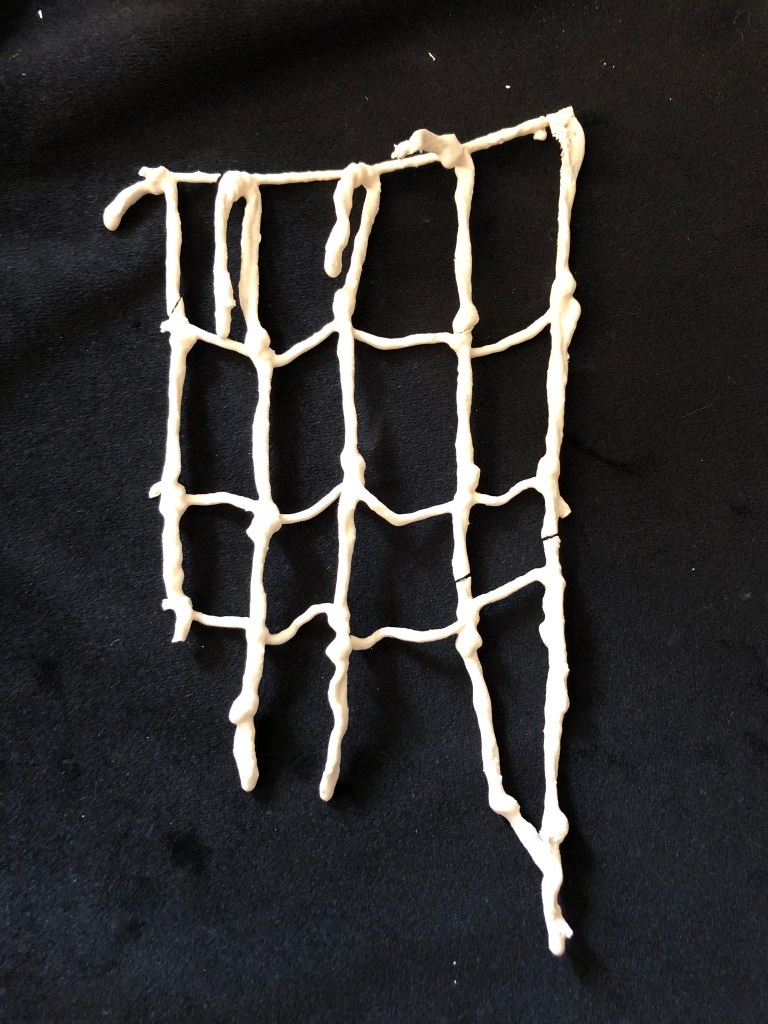
pieced together porcelain net on velvet
I spent time working in the 3d workshops attending inductions in jewellery smithing, woodwork and welding.
making small scale sculpture and drawings for sculpture
I had ideas for making some small scale sculptures and started to make maquetts of these. I worked some into larger cardboard and installed them as leaning pieces into the studio installation. I had made 2d versions of these as paintings too and have worked on these images and 2d and 3d ideas in my sketchbooks. I plan to make some versions of these as large scale pieces in plywood when the workshops reopen and want to add to the installation already started.
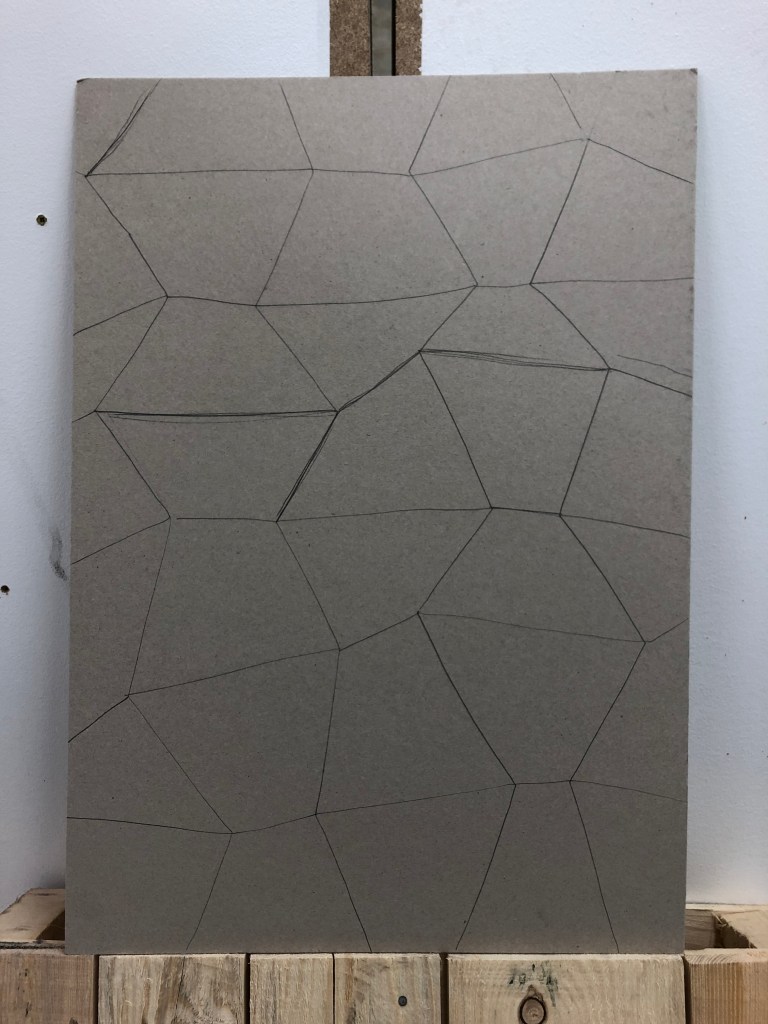
postgraduate 3d space researching materials 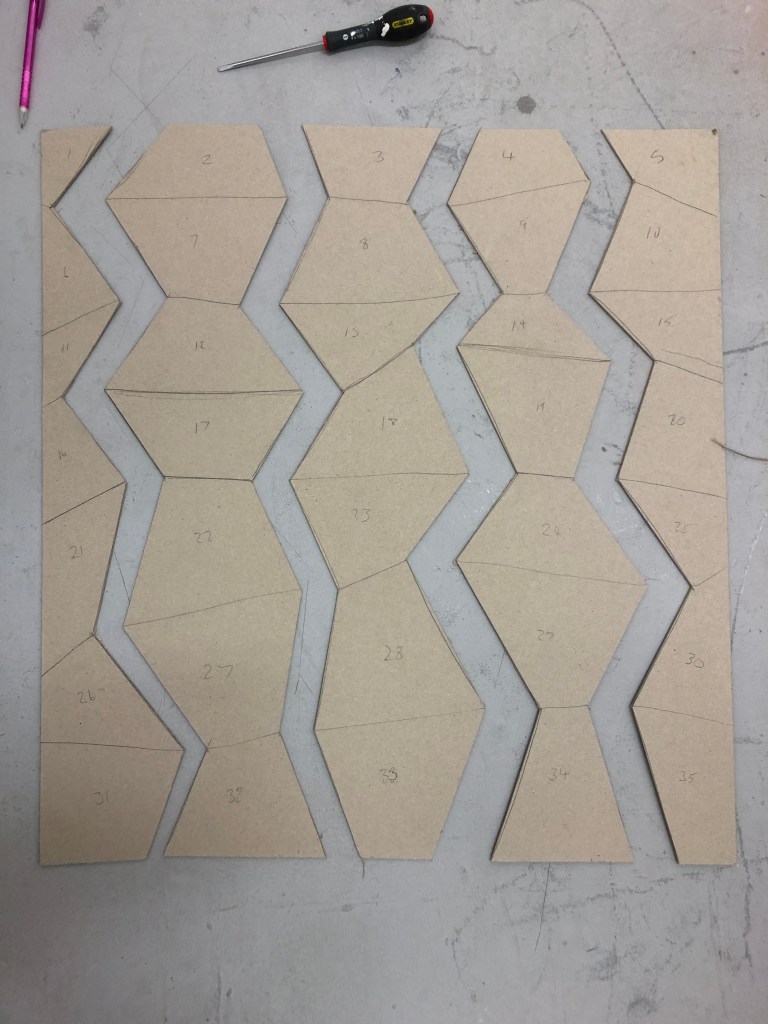
working in the postgraduate 3d space researching materials A2 card 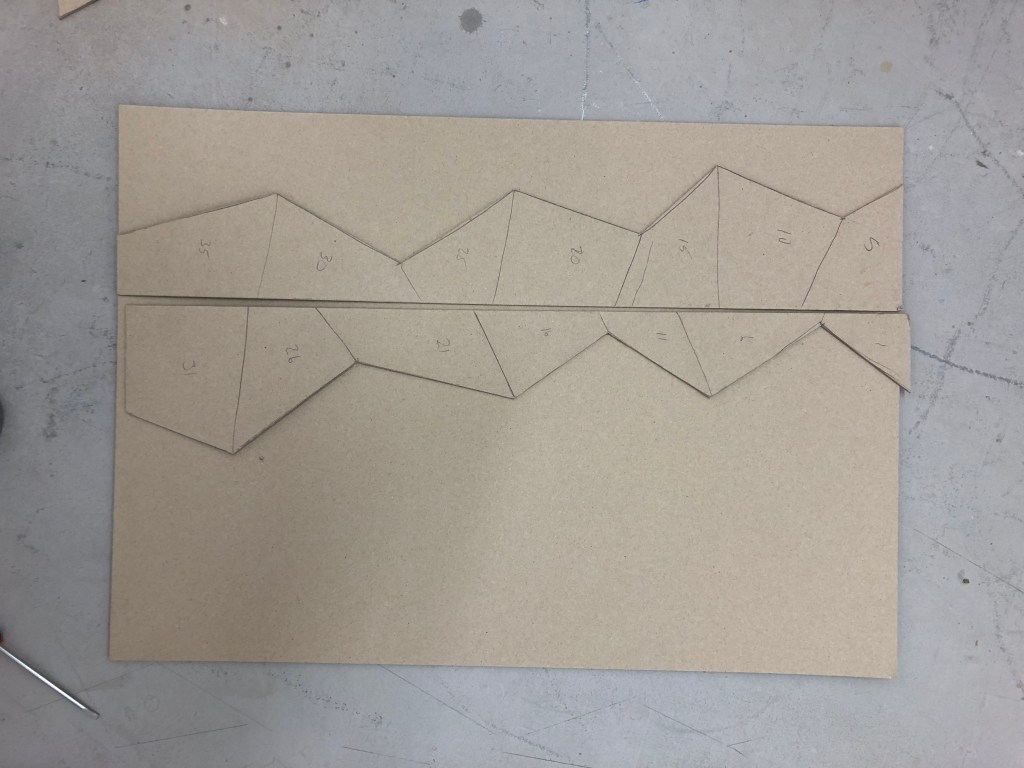
making maquettes for new work proposal from A2 card 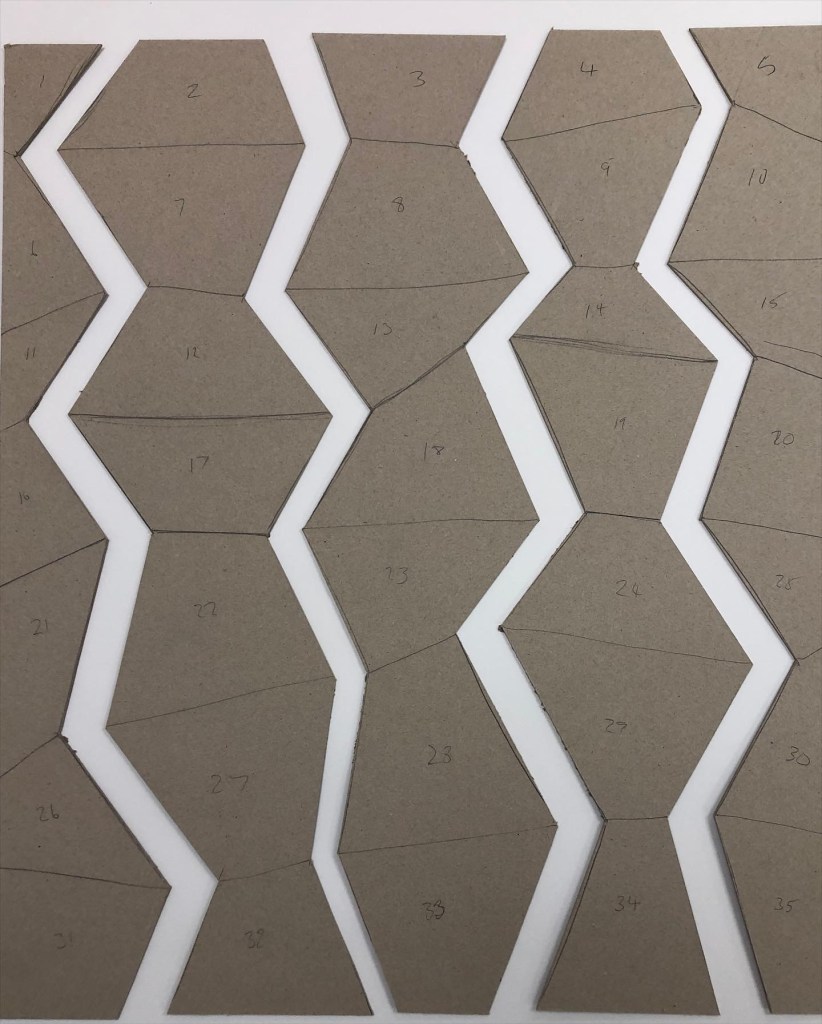
research in the studio cutting up the A2 card 
using maquette cut outs for making drawings A2 size card 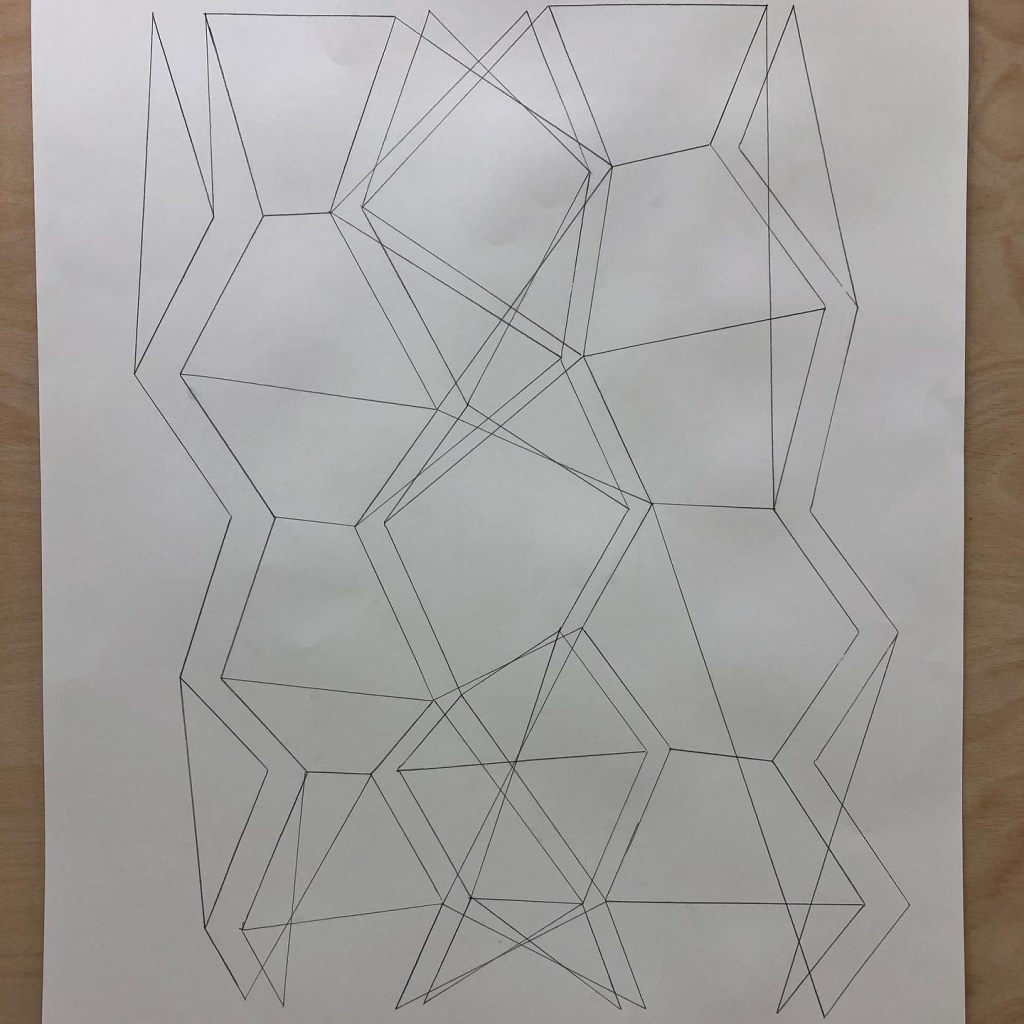
researching space through drawing A1 size 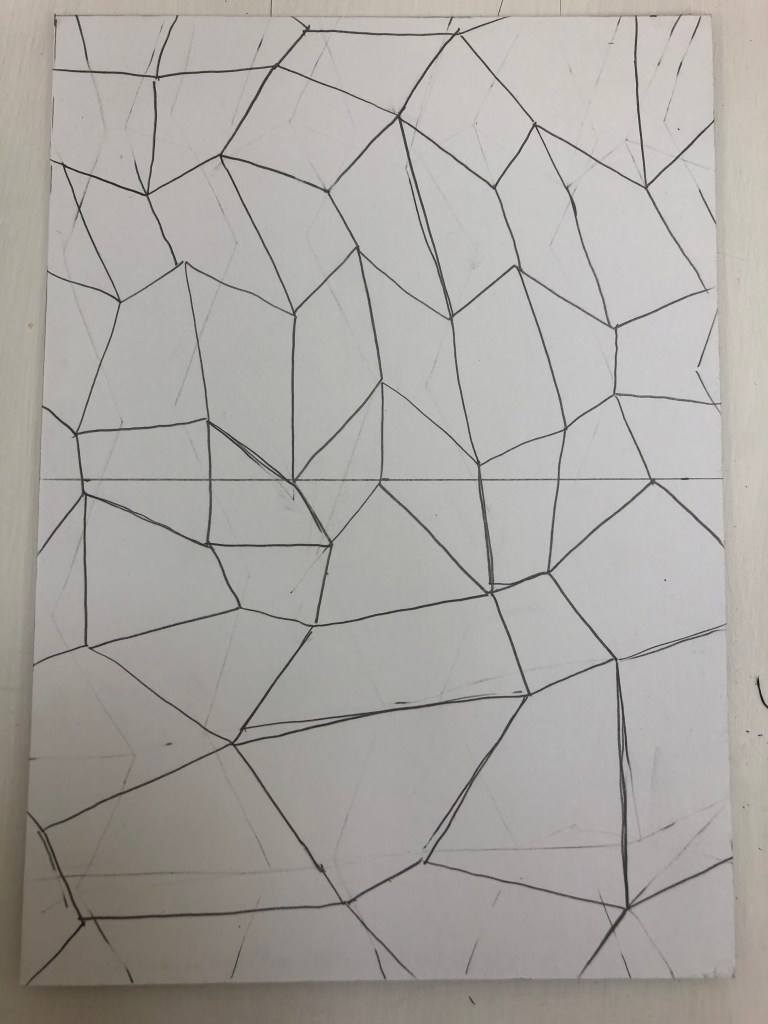
researching materials, using card 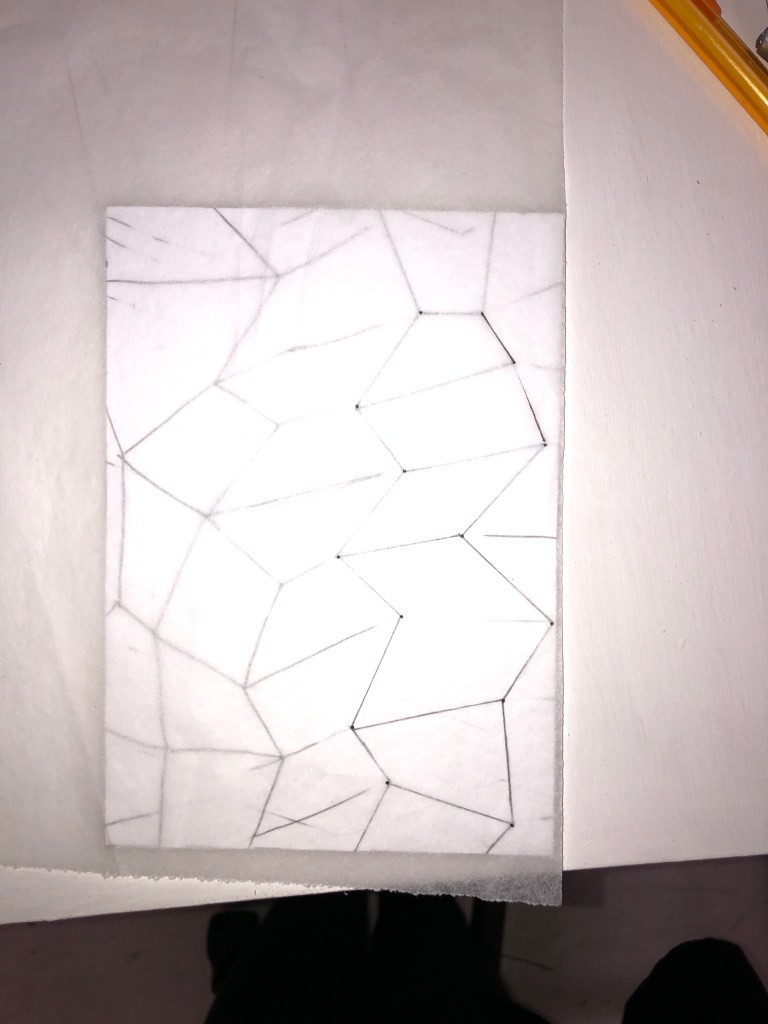
using card to make small maquettes A6 size 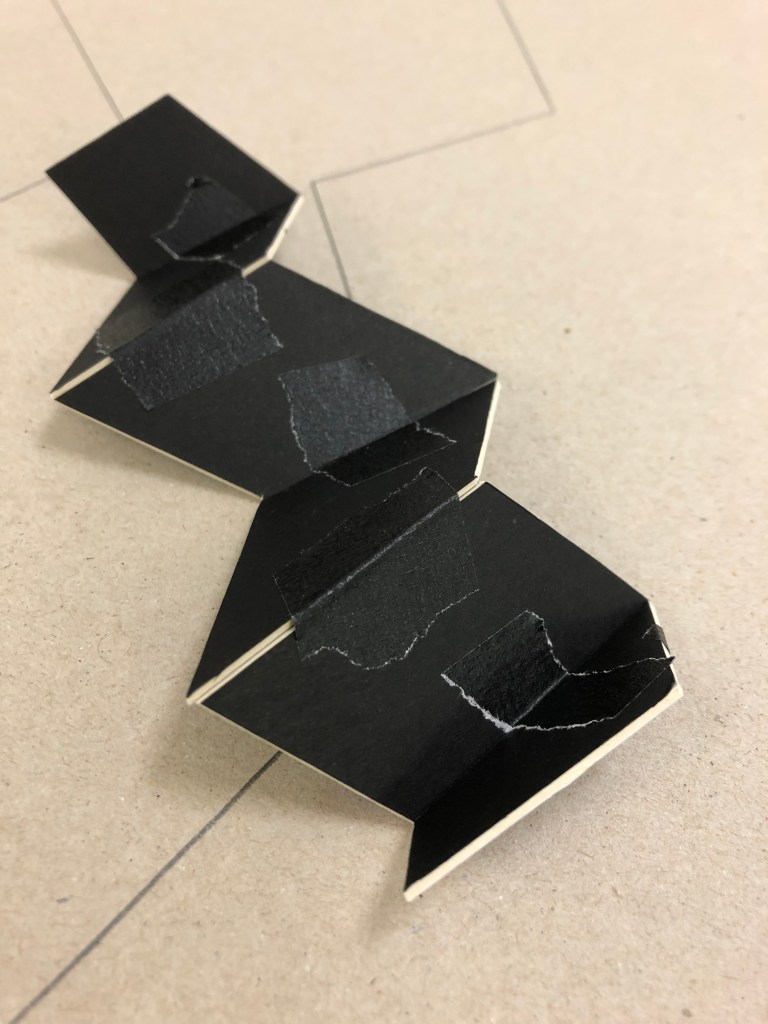
model making for sculpture proposal 15cm x 20cm 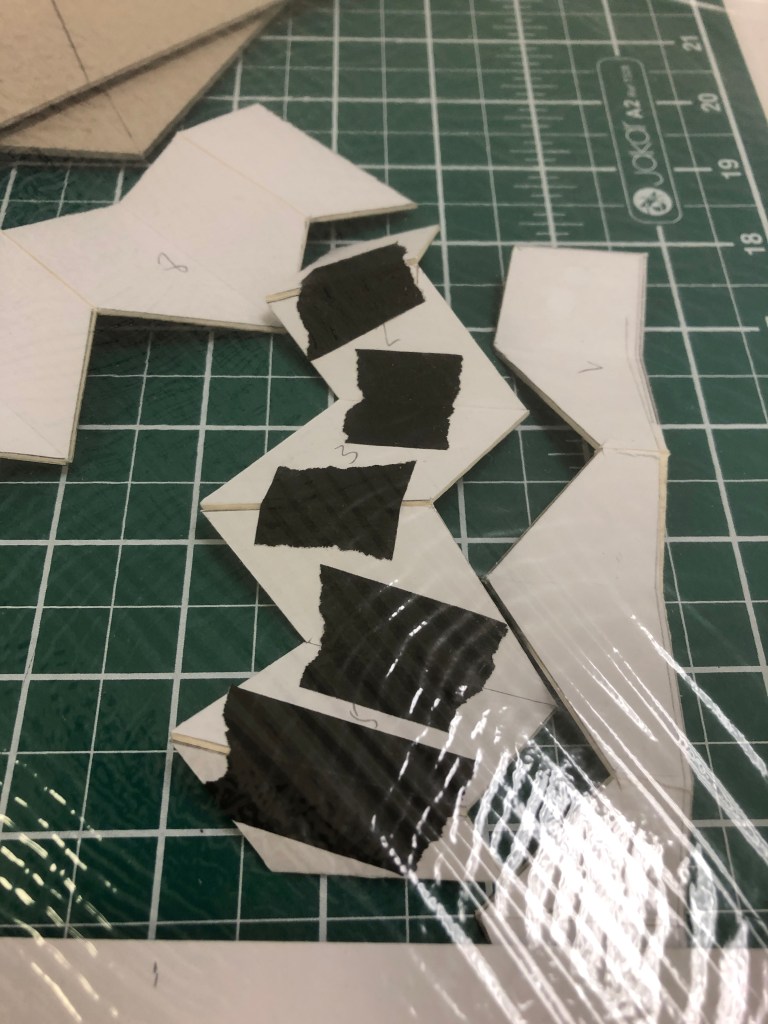
Making shapes from A6 card 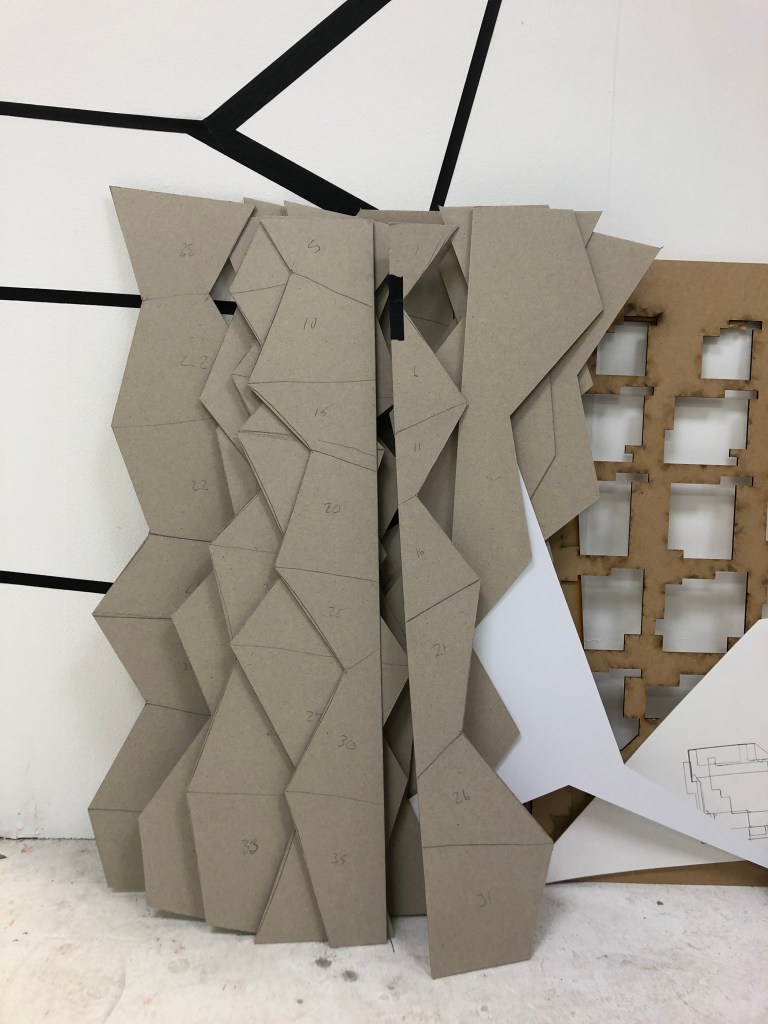
Trialling leaning sculptures in the postgraduate studio 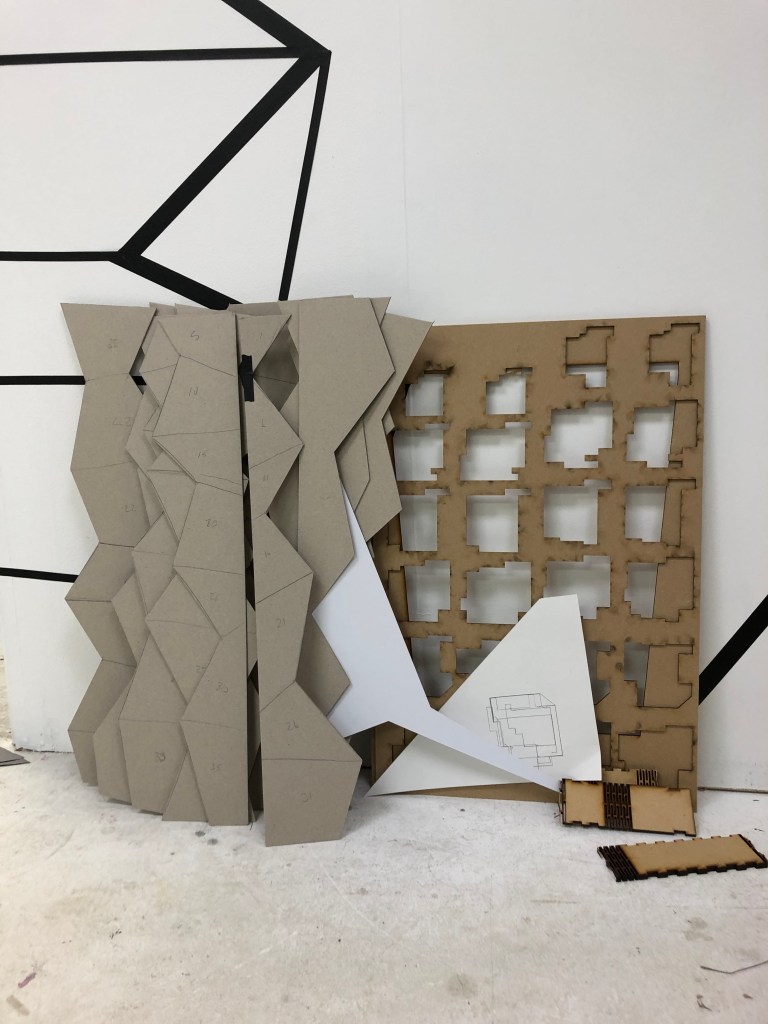
Trialling leaning sculpture in installation in postgraduate studio
I started to look into making nets and I decided to buy some cheapish Nets to look at and used one to create some photographs. My plan was to start installing this net over the cell drawing in the studio. I am going to do some printmaking, slopwork and photograms with these. I have since bought another net to try and work with out of the studio. Below are a series of materials research studies using fastcast resin, drawing and ready made nets.
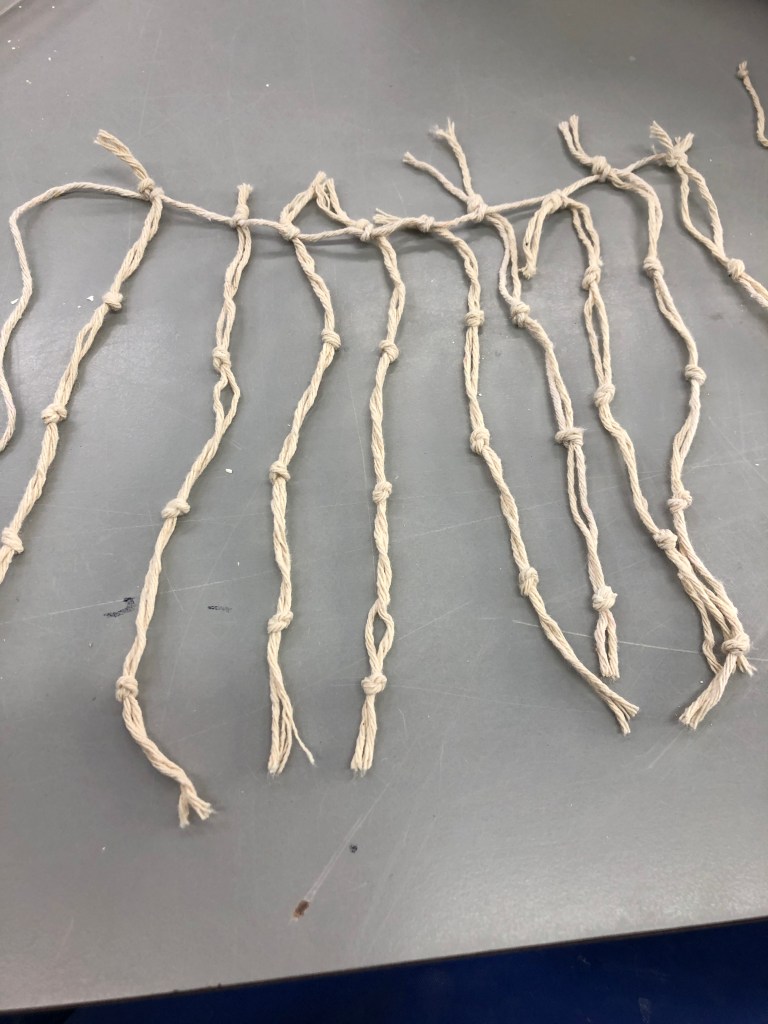
1 making a string net in the studio 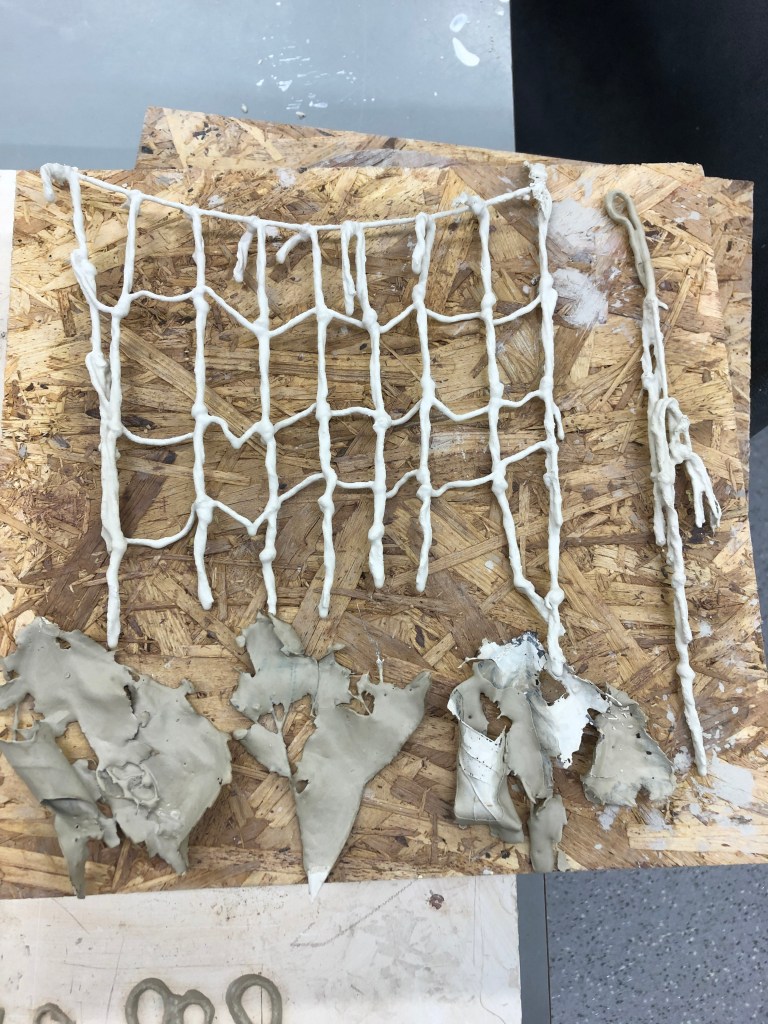
2 the porcelain net before firing 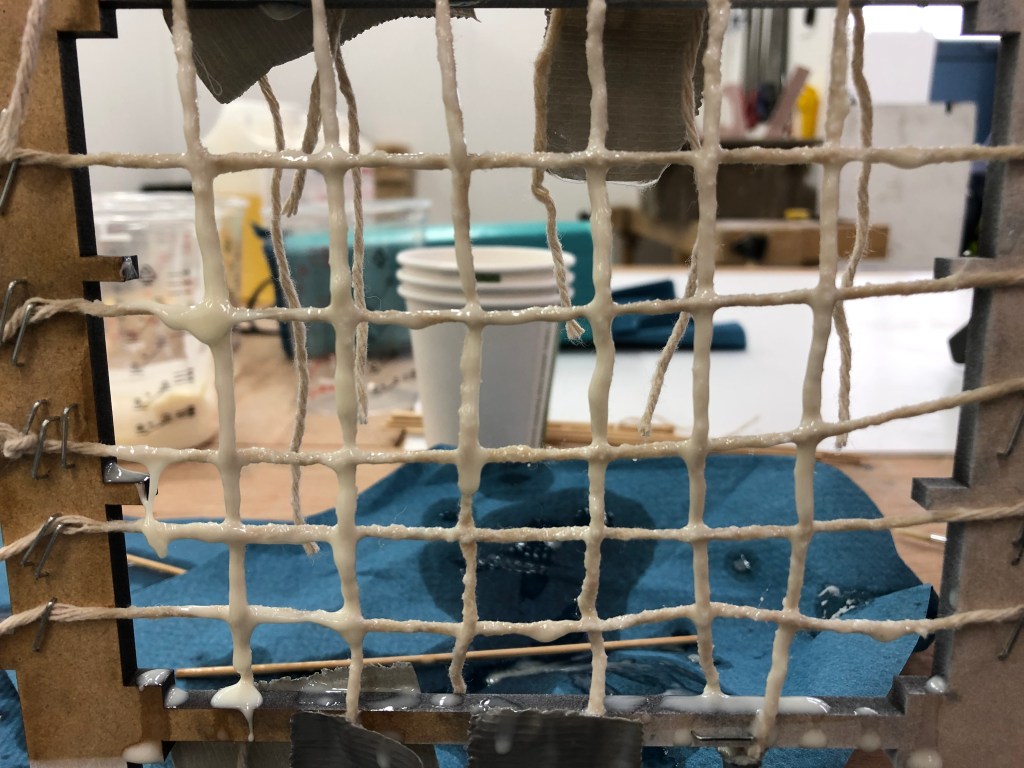
3 using resin to drip onto a handmade string net 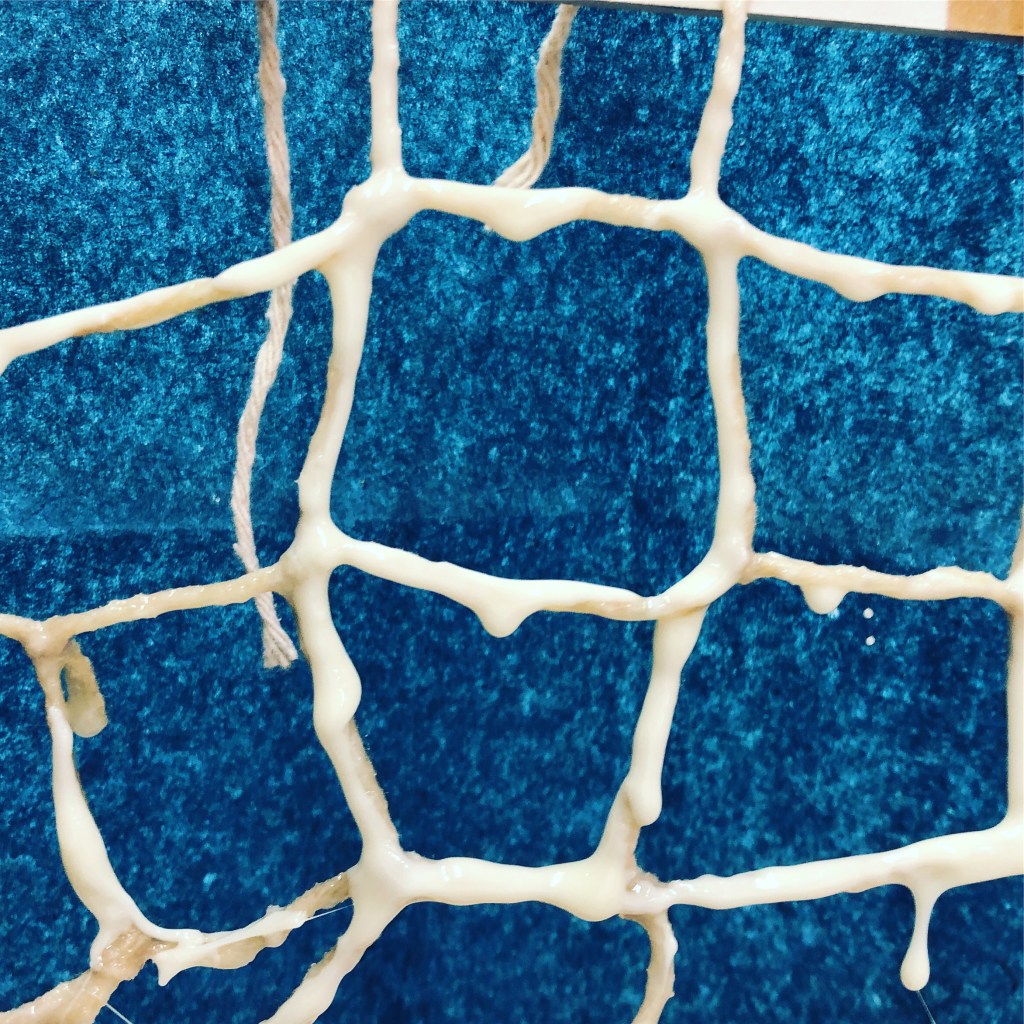
4 close up of resin fast cast on string net 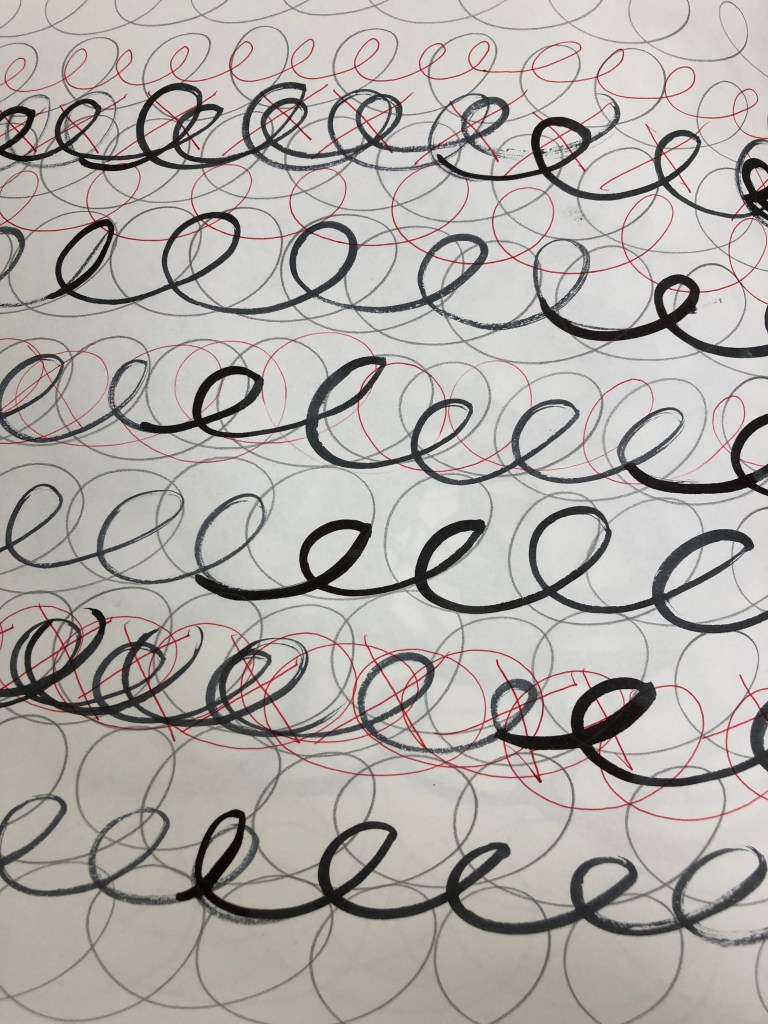
5 extract from sketchbook February 2020 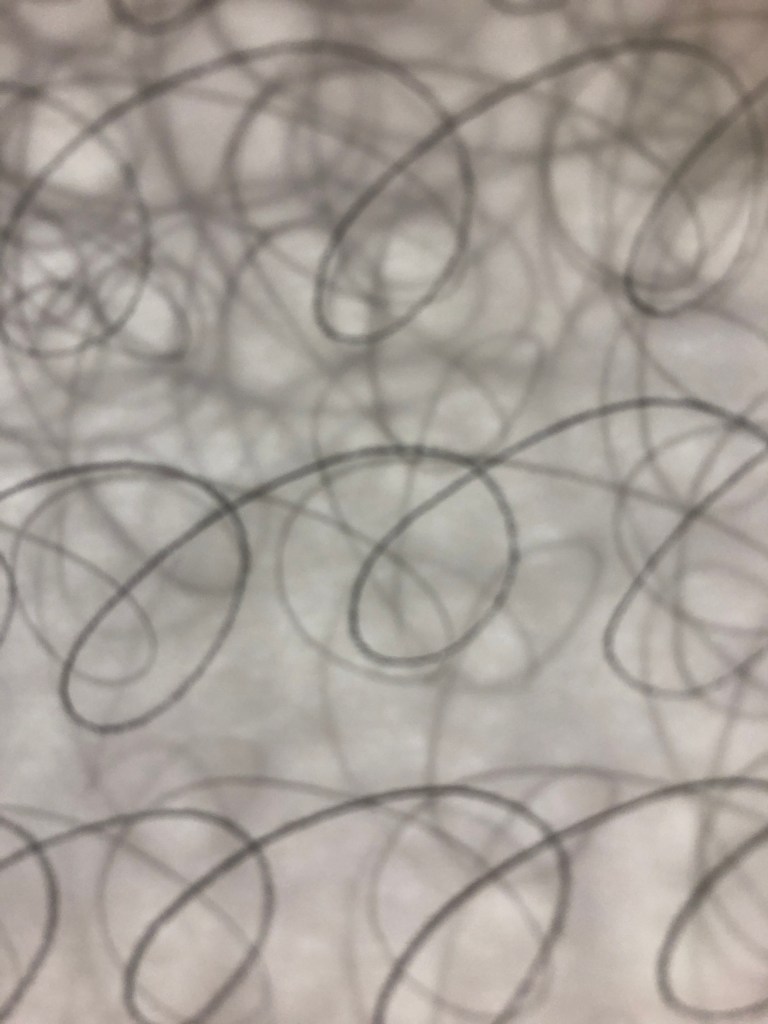
6 drawing on tissue paper February 2020 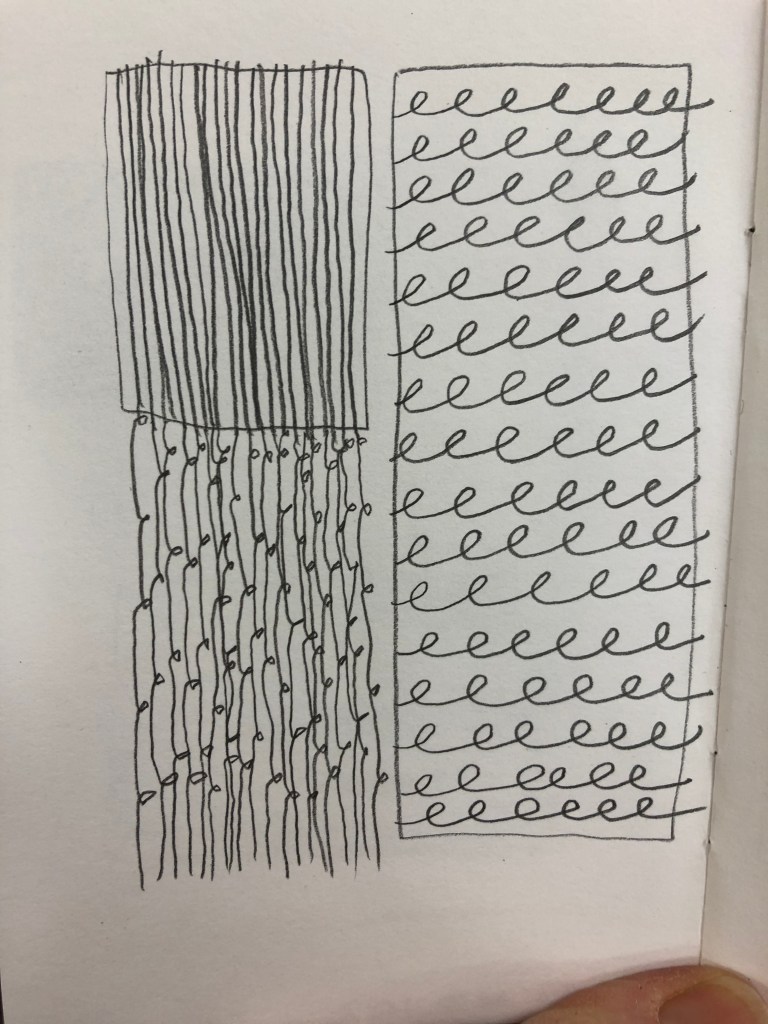
7 extract from sketchbook February 2020 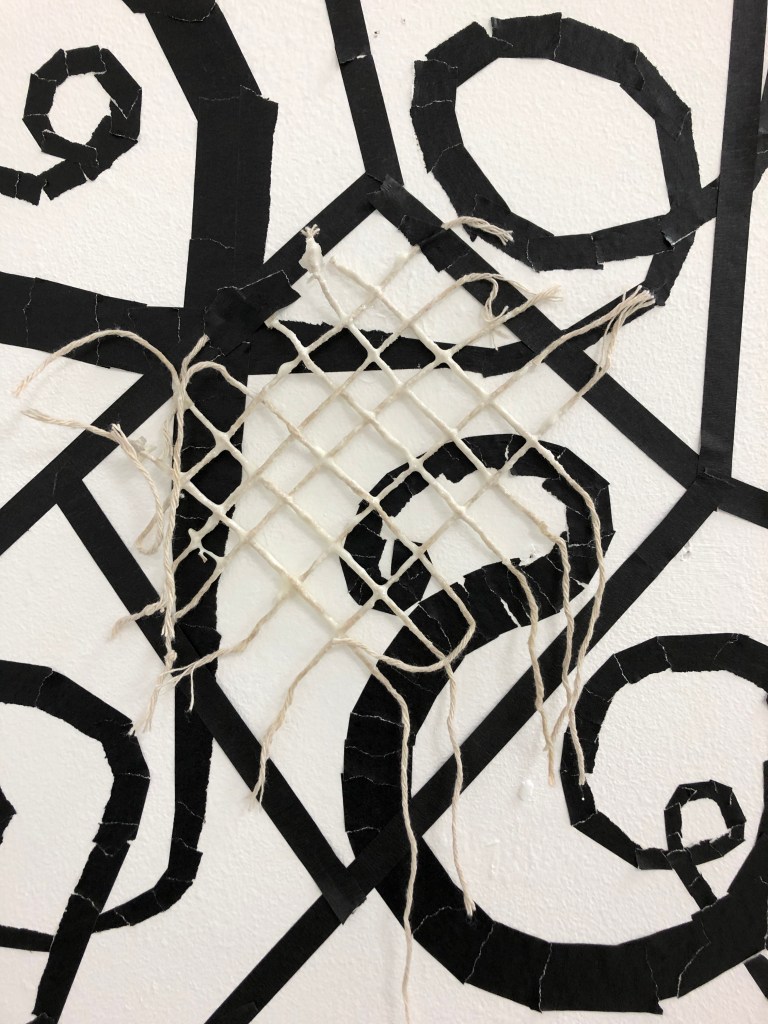
8 detail of installation pg studio February 2020 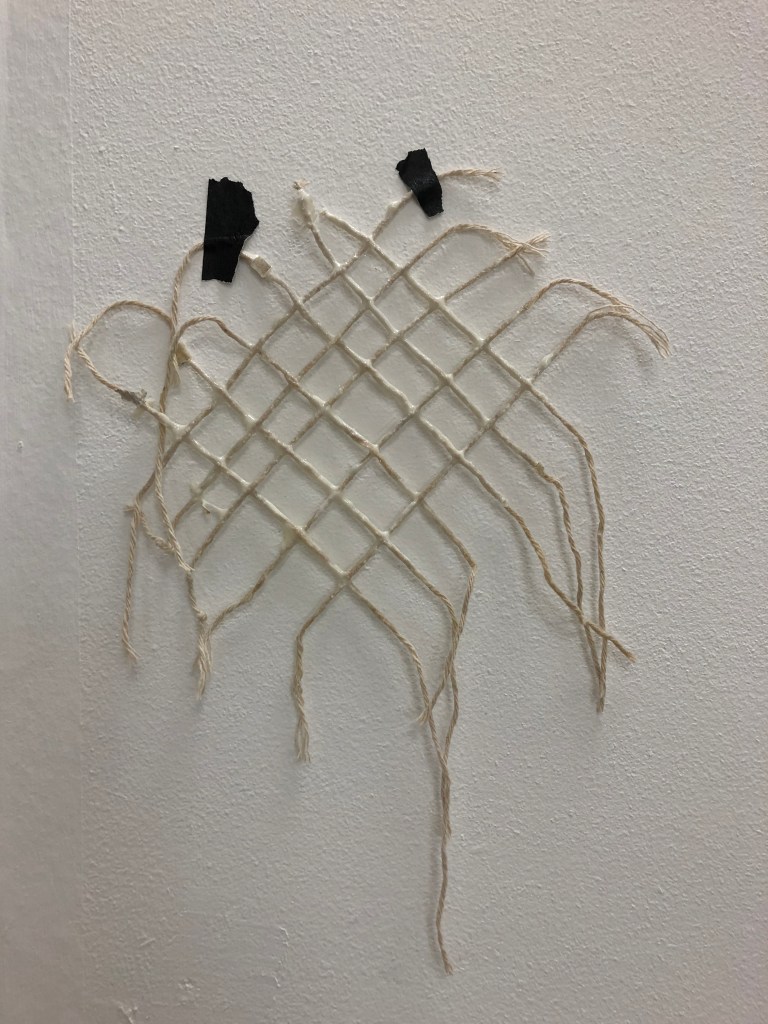
9 detail of resin fast cast net in pg studio February 2020 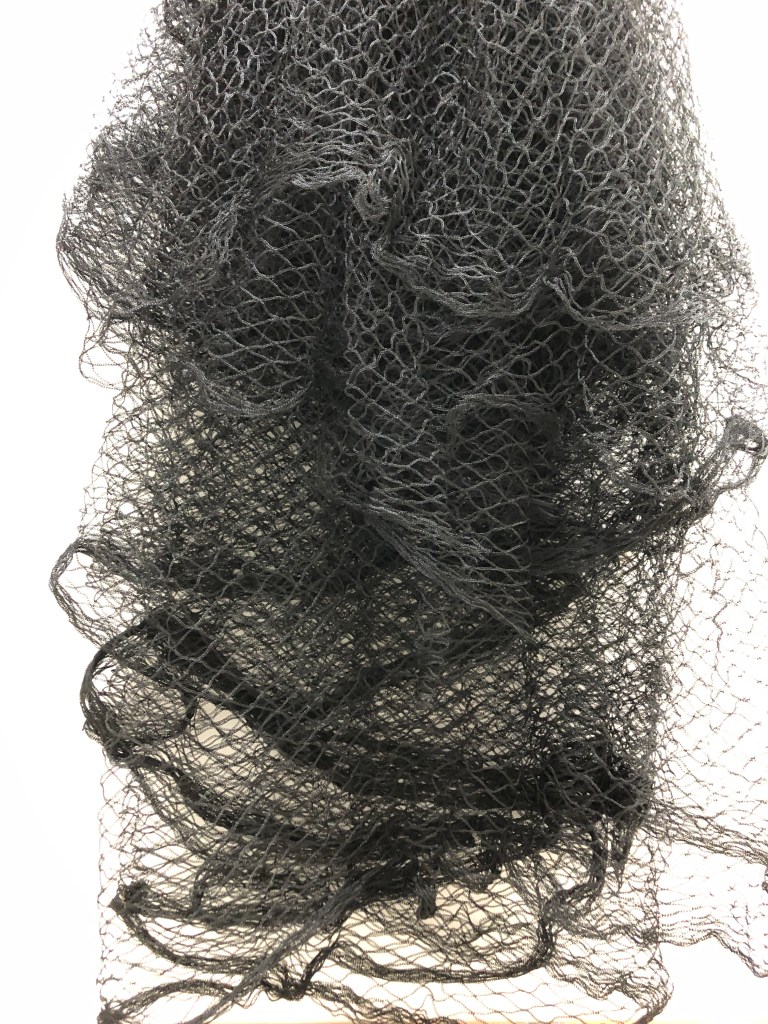
ready made net in the studio February 2020 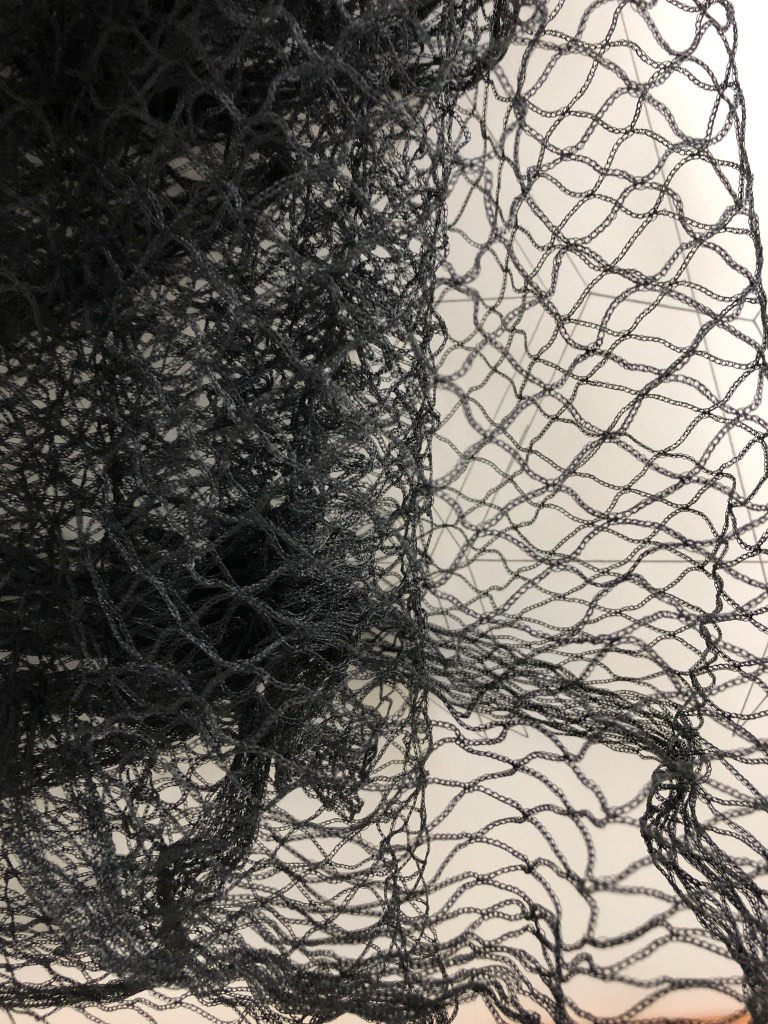
using ready made net in the studio February 2020 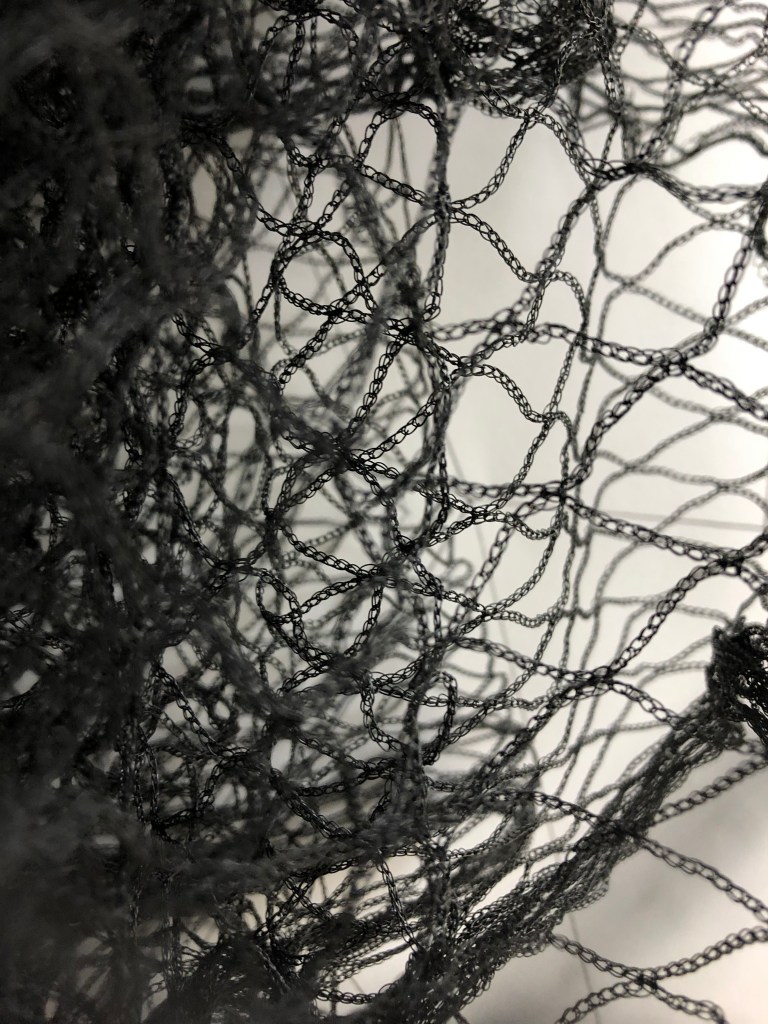
using ready made net in the studio February 2020 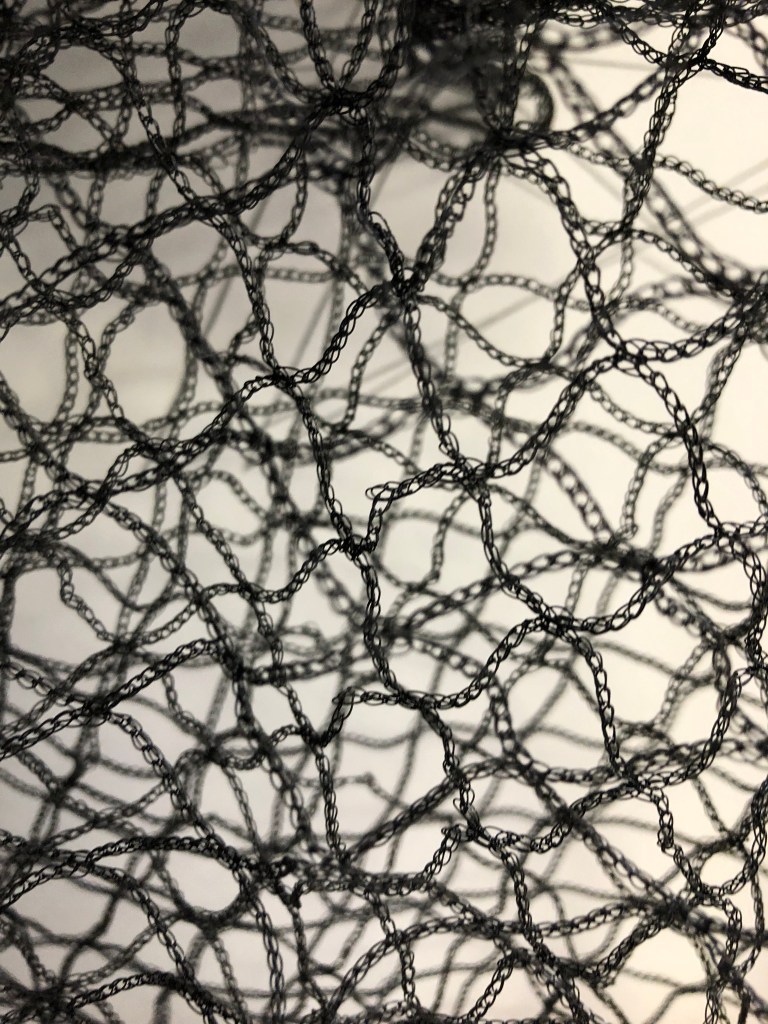
using ready made net in the studio February 2020 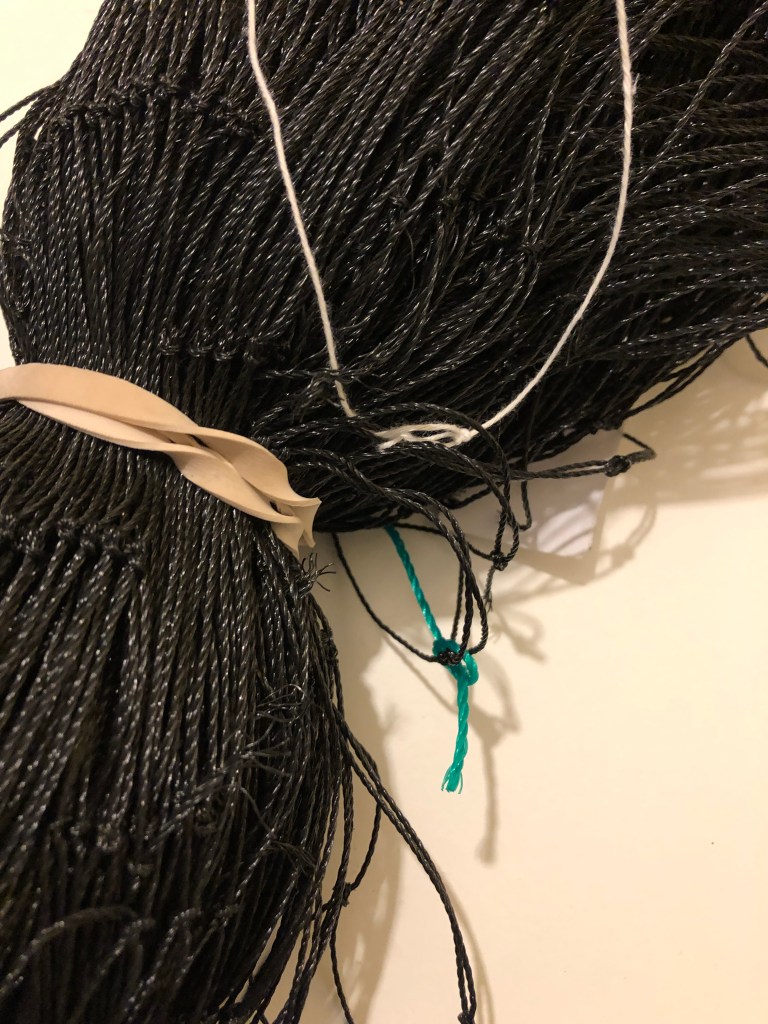
New net ready to use studio February 2020 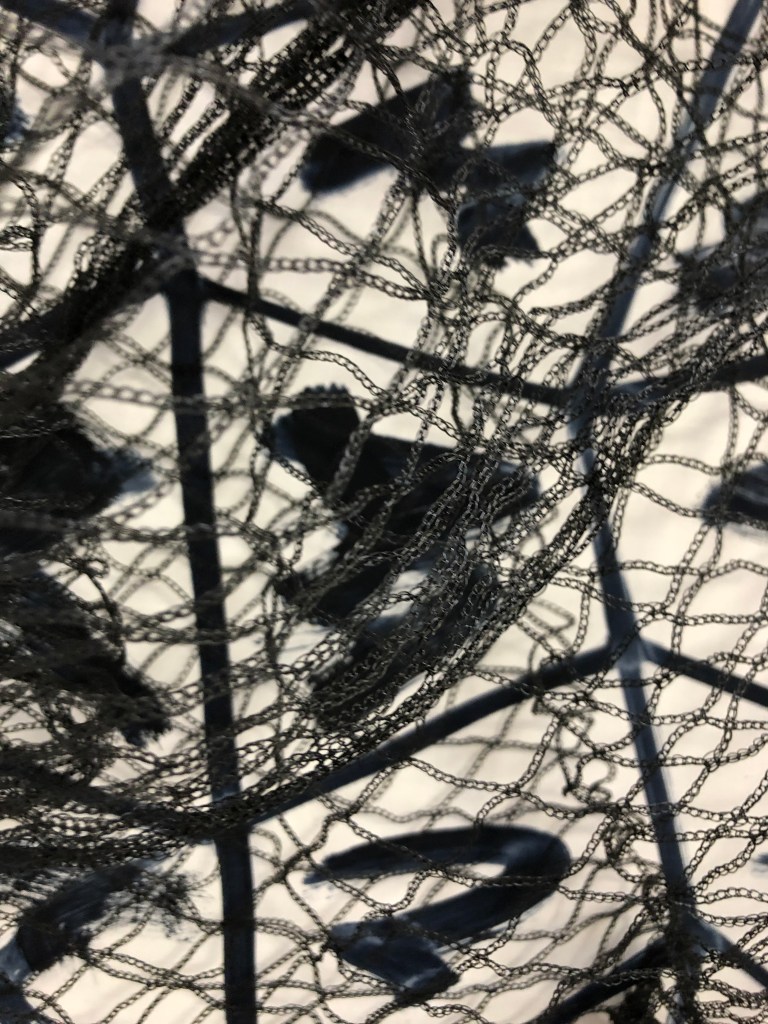
casting shadows and making shapes with ready made net studio February 2020 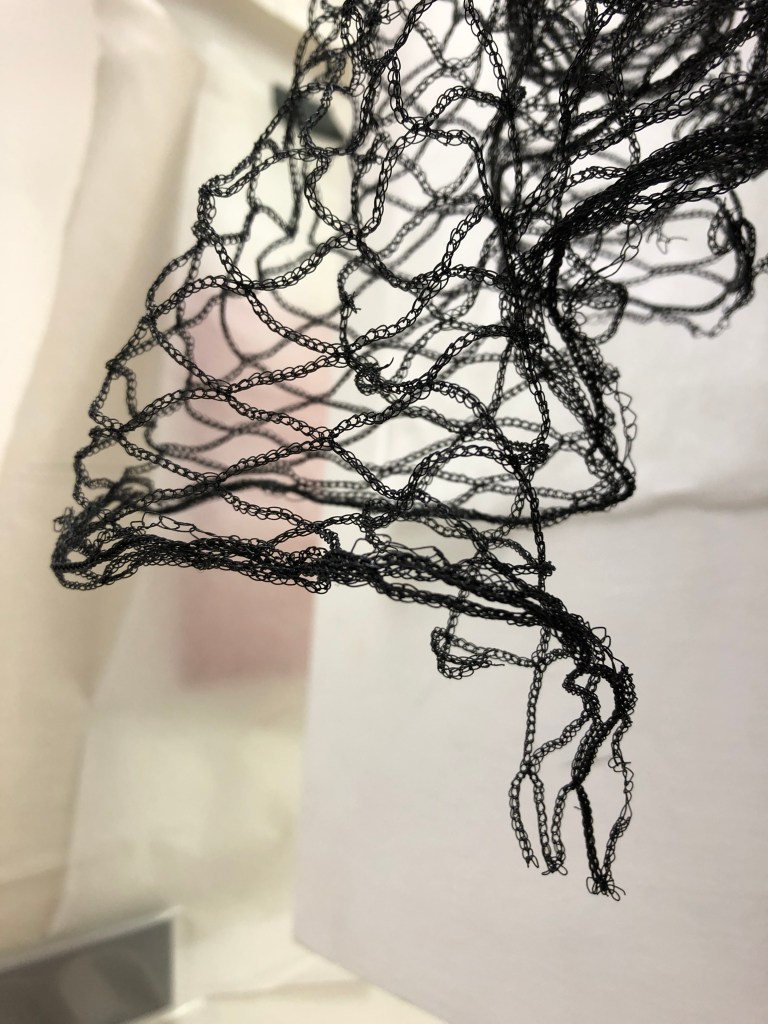
using ready made net to create shapes in the studio February 2020
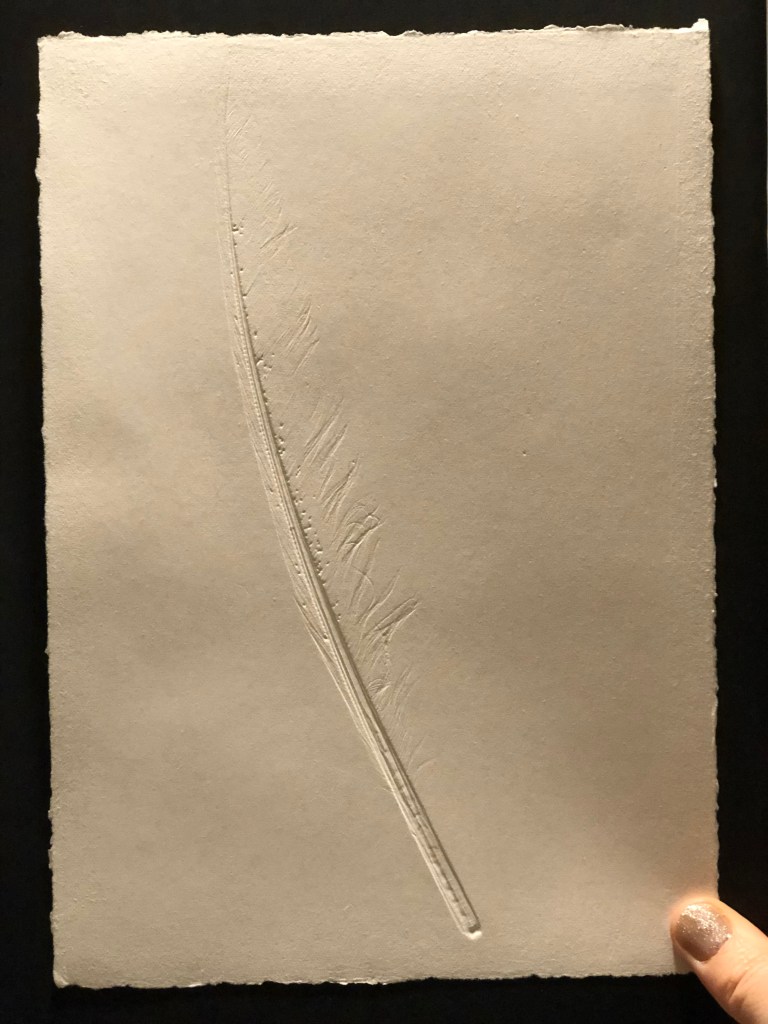
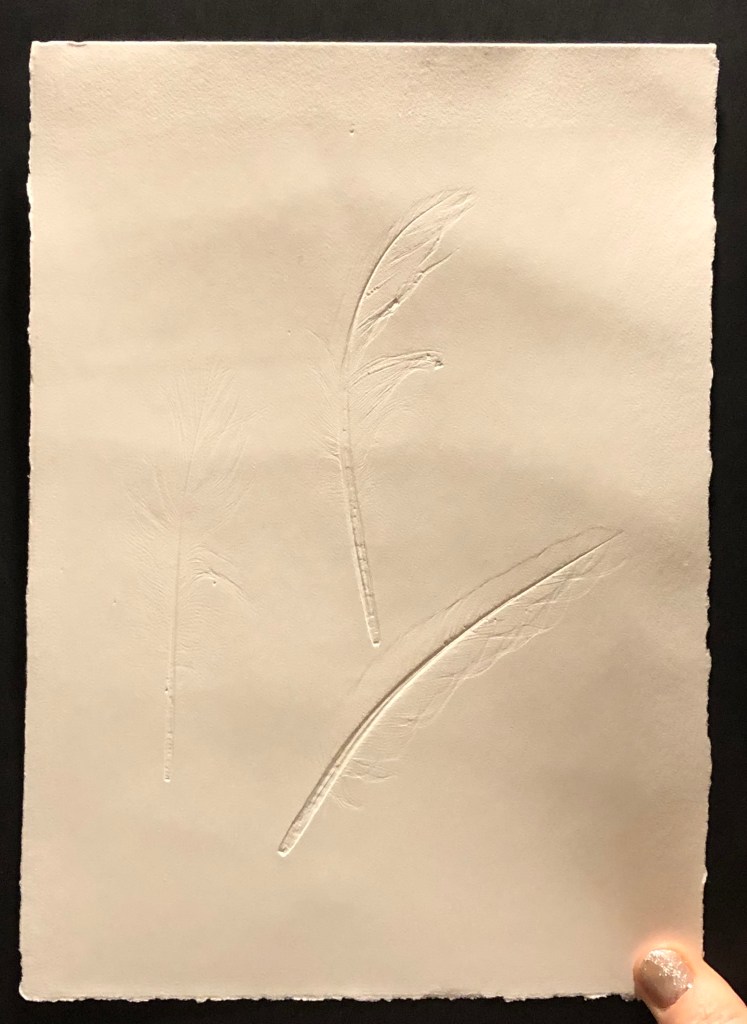
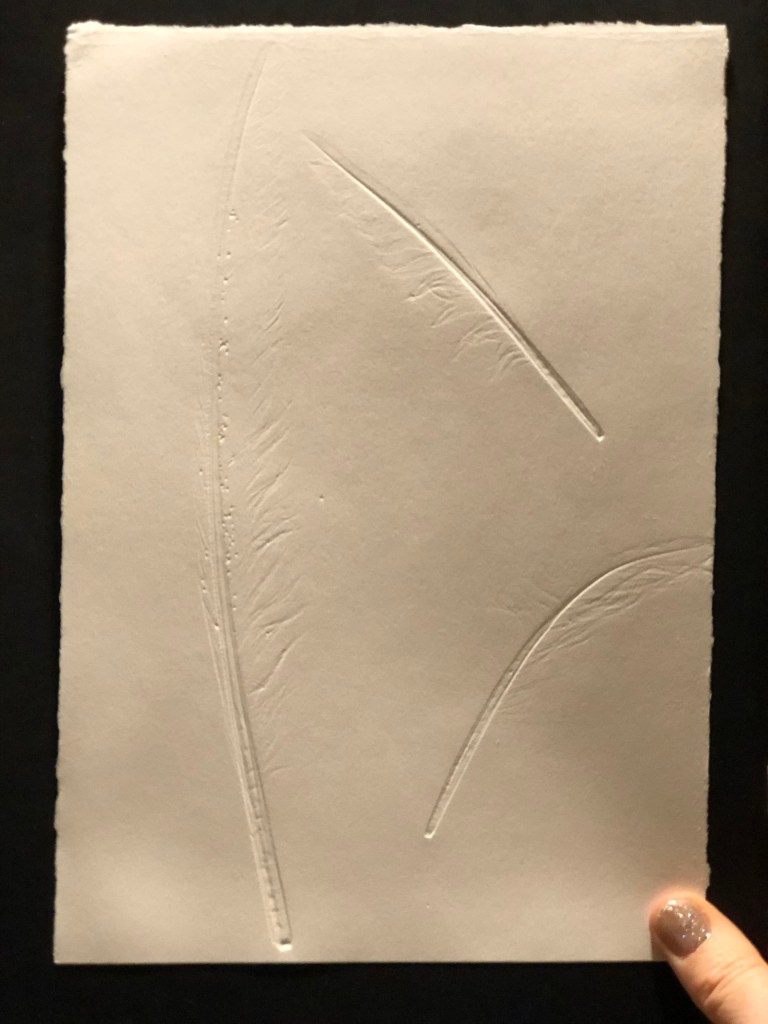
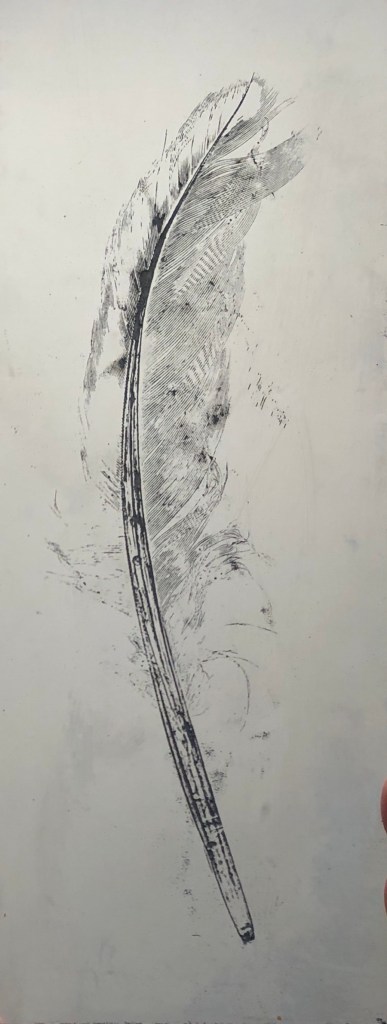
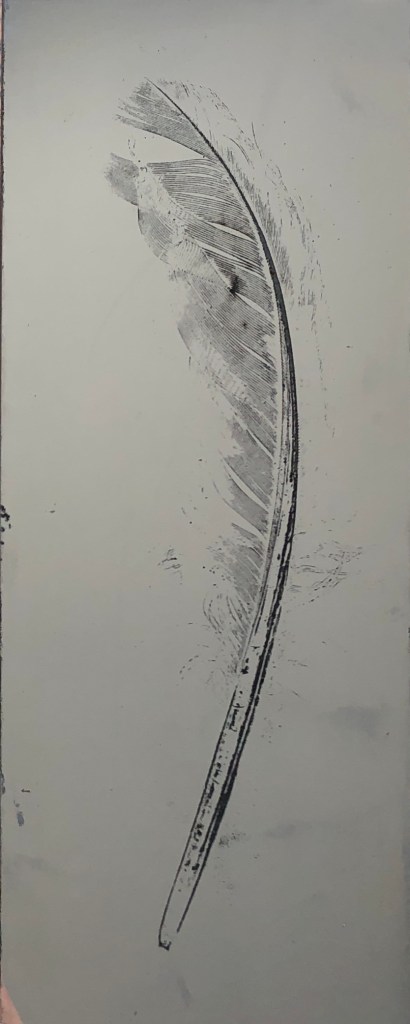
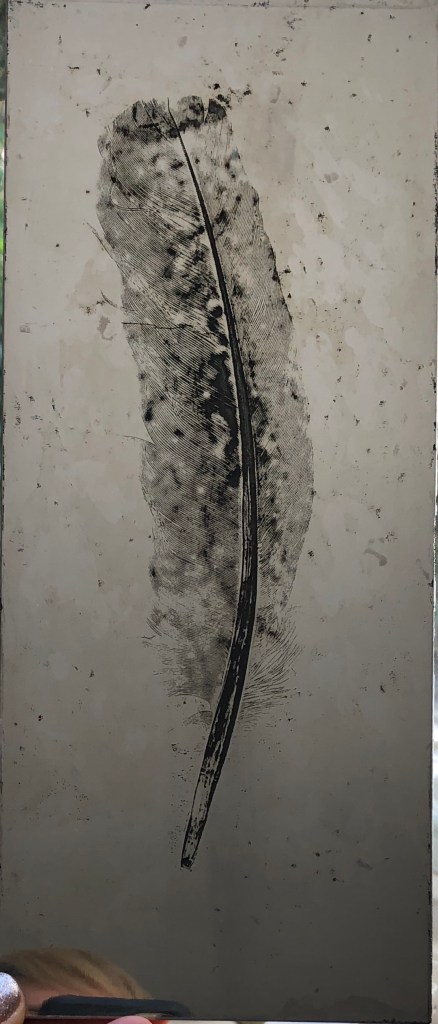
prints of feathers
Before using the feathers for the making softground etching plates, I ran them through the etching press with damp paper to create impressions of them before their sacrifice to the plates. The impressions are difficult to see, but once they are held up to the light, their delicate details come into relief.

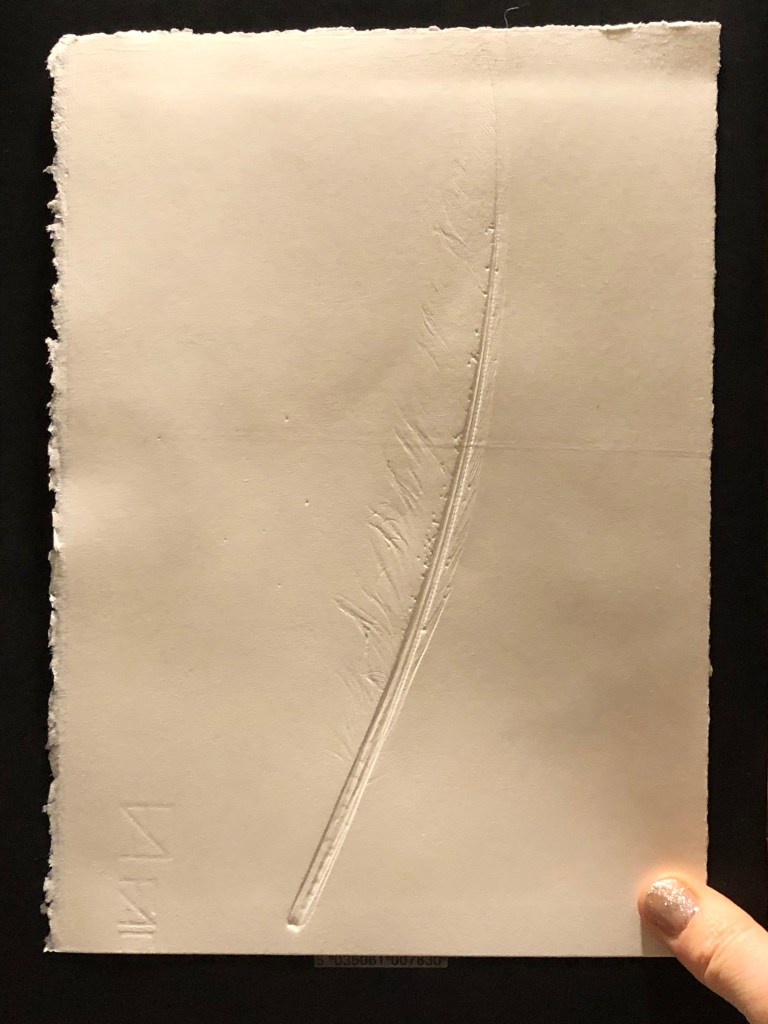
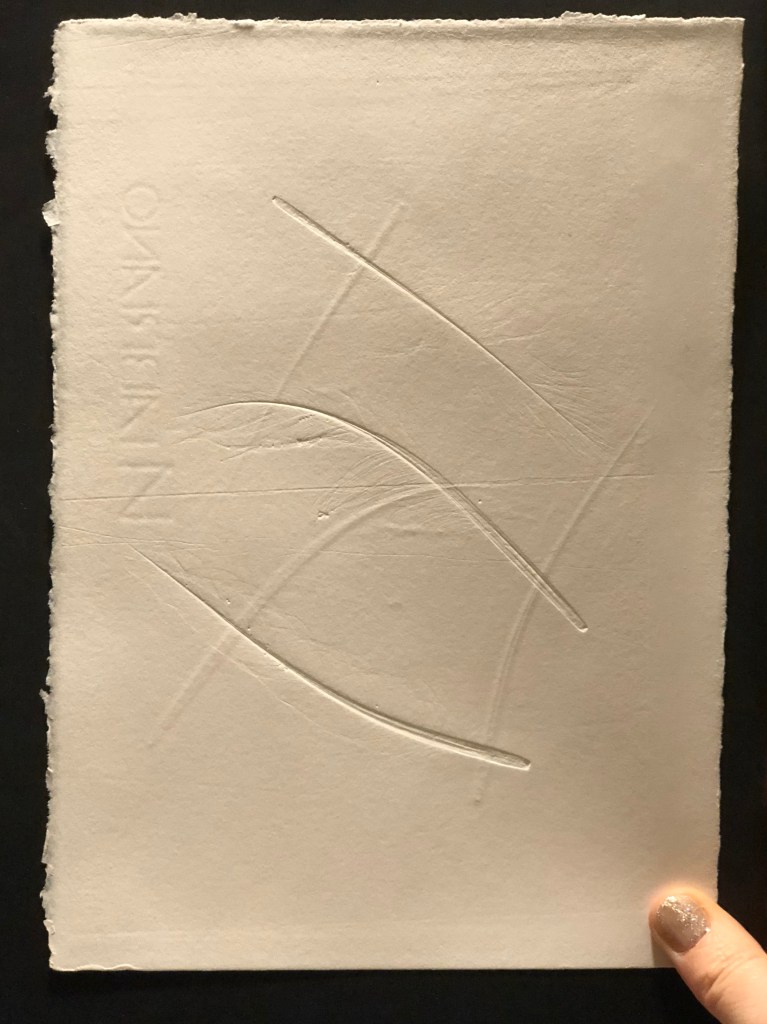
I then made some soft ground etching plates of some of my ritual feather finds and the plates are now ready to print as soon as soon as the print room re-opens
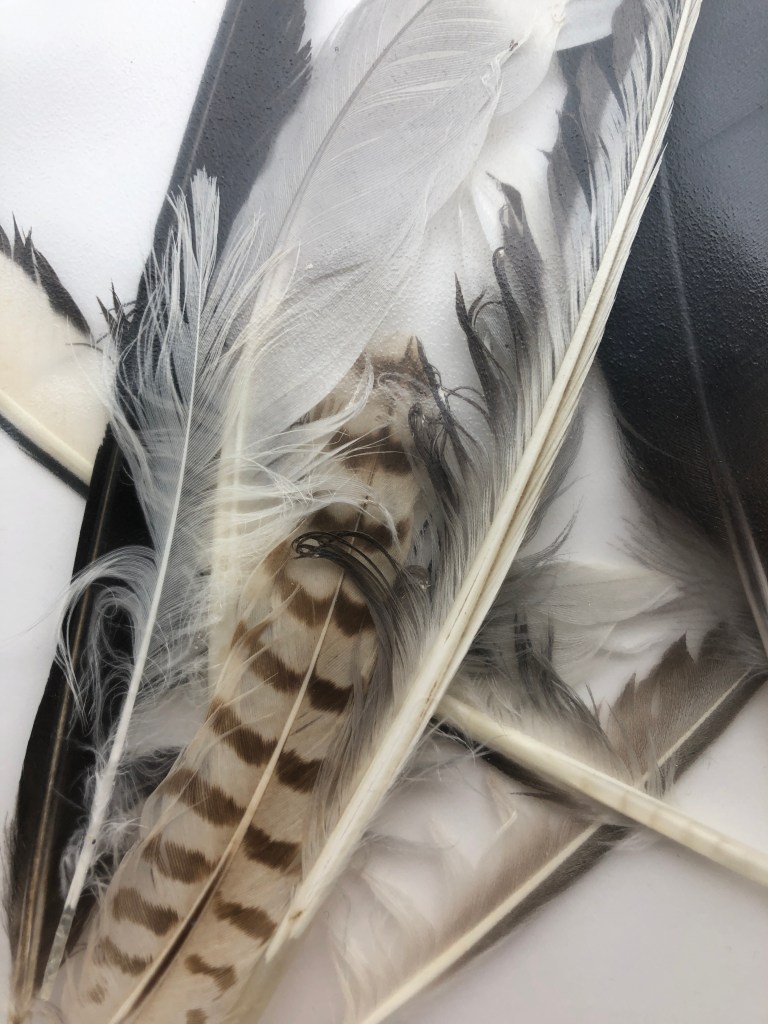
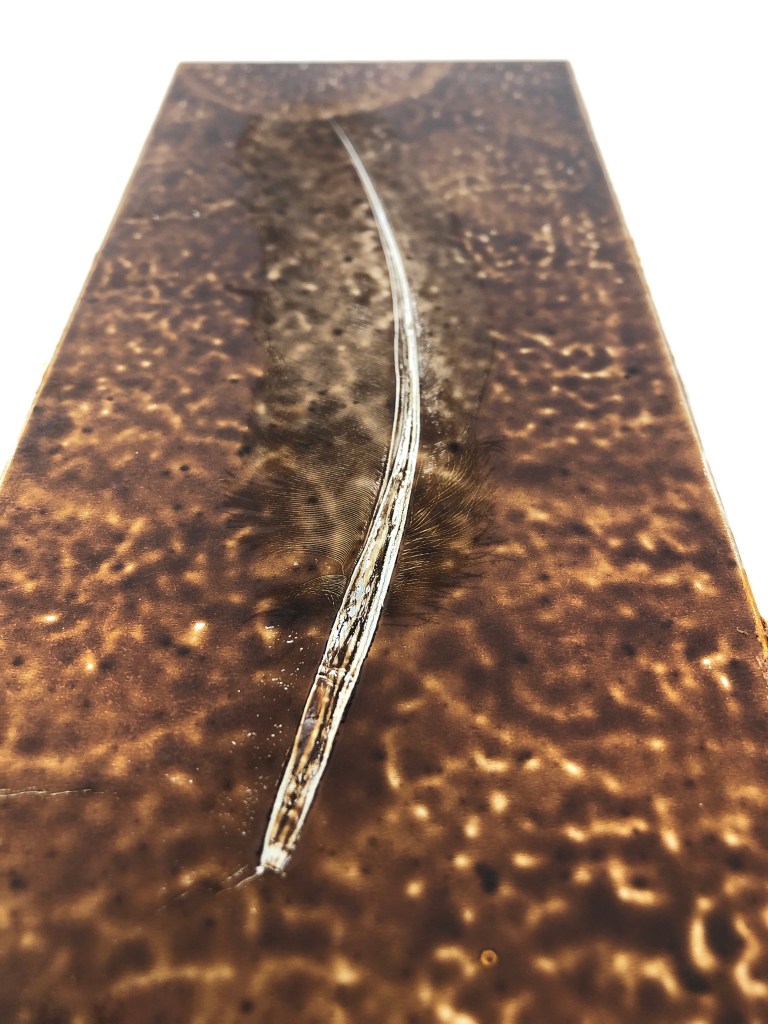

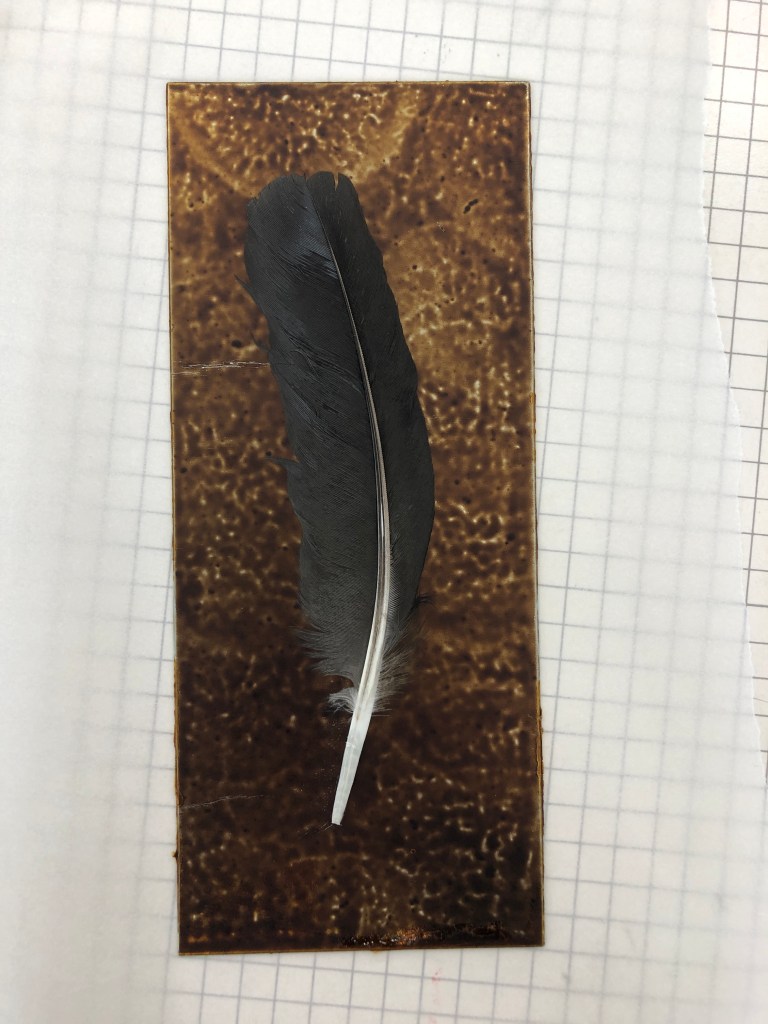
etching plates showing the impressions left by the ritual finds feathers

Reflection and next steps
I have worked on a great deal of experimentation this term moving from the intense research programme for the first semester into a varied practice for second semester.
The next steps are to develop my practice under the new Cover-19 conditions and work out how to move my installation practice across to this new environment.
I will develop the installation ideas if I can into some form that I can submit for Practice One without compromising my experimentation and ideas.
I will use the sketchbooks and mock ups to enable this transition.
 Tina Culverhouse
Great work Tina! You’ve obviously done a lot of work exploring different avenues and exploiting different media. Even without the various workshops at your disposal, you’ve shown how it’s possible to be inventive with minimal resources. Reminds me of the recent Picasso and Paper exhibition at the RA. There was hardly any paper, etc. during the war but Picasso just used anything he could find. Let’s hope we can all get back to work soon.
LikeLike
Thank you, yes, I will be working from home in the meantime, I hope you can get more work done and you have lots of screen prints to work on too! x
LikeLike